When choosing between an electronic universal testing machine (EUTM) and a hydraulic universal testing machine (HUTM), the answer depends on your required force range, material type, and precision needs. For most laboratory and quality control applications under 300 kN, electronic UTMs offer superior accuracy and lower operating costs. For heavy-duty industrial testing exceeding 500 kN — such as structural steel or large concrete specimens — hydraulic UTMs remain the preferred choice.
Both machine types perform tensile, compression, bending, and shear tests, but they differ significantly in drive mechanism, force capacity, maintenance demands, and total cost of ownership. Understanding these differences helps labs, manufacturers, and research institutions make the right investment.
How Each Machine Generates and Controls Force
Electronic Universal Testing Machines
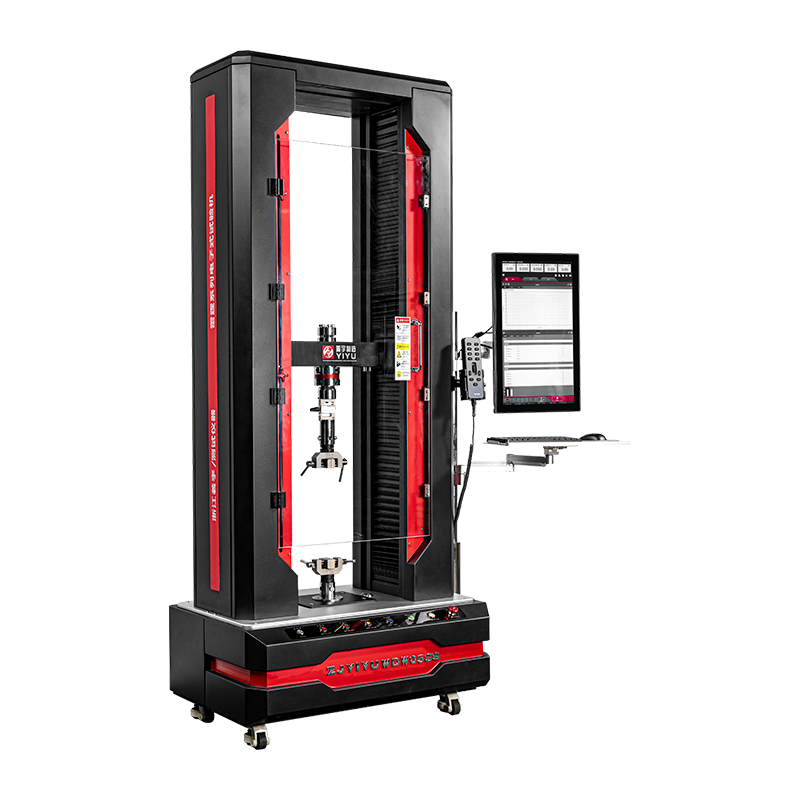
Electronic UTMs use a servo motor and ball screw or lead screw drive system to apply force mechanically. The motor converts electrical energy into precise linear motion, enabling extremely fine speed control — typically from 0.001 mm/min up to 1,000 mm/min or more. A closed-loop control system constantly monitors load and displacement, allowing real-time adjustments with resolution as fine as ±0.5% of the indicated value.
Hydraulic Universal Testing Machines
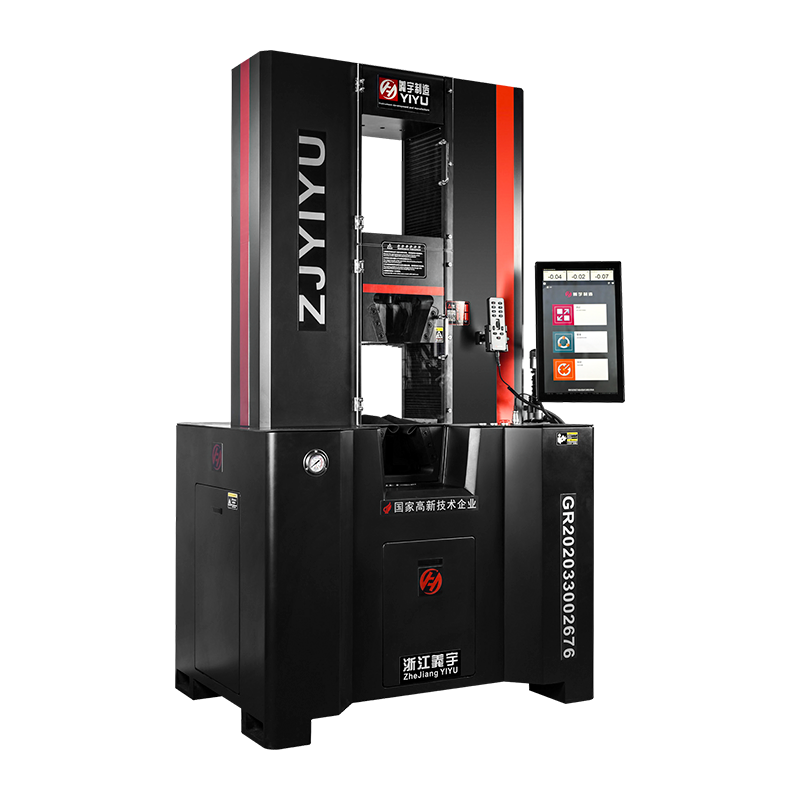
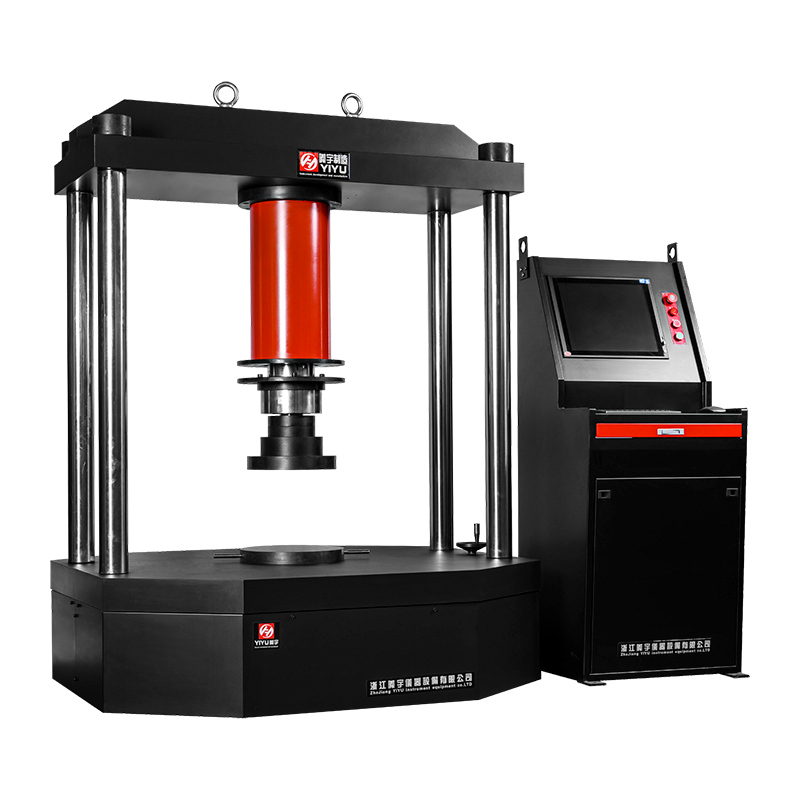
Hydraulic UTMs generate force through a hydraulic piston driven by pressurized oil. A hydraulic power unit (HPU) with an electric motor and pump pressurizes the fluid, and servo valves modulate the flow to control force. This mechanism enables very high forces — commercial models commonly range from 200 kN to 3,000 kN, with custom systems reaching 10,000 kN or beyond. However, the inherent compressibility of hydraulic fluid and valve response time limits their positioning resolution compared to electronic systems.
Key Performance Comparison
Table 1: Side-by-side performance comparison of electronic and hydraulic UTMs across critical parameters
| Parameter |
Electronic UTM |
Hydraulic UTM |
| Typical Force Range |
0.5 kN – 600 kN |
50 kN – 10,000 kN+ |
| Force Accuracy |
±0.5% or better |
±1% – ±2% |
| Speed Control Range |
0.001 – 1,000 mm/min |
0.1 – 500 mm/min |
| Noise Level |
Low (<65 dB) |
High (75–90 dB) |
| Energy Consumption |
Low (on-demand motor use) |
High (HPU runs continuously) |
| Maintenance Complexity |
Low |
Medium to High |
| Cleanliness |
No fluid risk |
Oil leak potential |
| Initial Cost (indicative) |
$5,000 – $80,000 |
$30,000 – $500,000+ |
Where Electronic UTMs Excel
Electronic universal testing machines have become the standard for most laboratory, academic, and quality control environments. Their advantages are most pronounced in the following scenarios:
- Polymer and rubber testing: Low-force, high-elongation tests (e.g., elastomers stretching 500–1,000%) require the ultra-fine speed and displacement control that only electric drives provide.
- Medical device and biomaterial testing: Sutures, stents, and tissue samples demand sub-Newton force resolution. High-end electronic UTMs achieve resolutions down to 0.001 N.
- Adhesive and peel testing: Constant low-speed crosshead movement with no hydraulic pressure fluctuation ensures repeatable peel force measurements.
- Textile and film testing: Lightweight, flexible materials tested per ASTM D638, ISO 527, or EN 14704 benefit from smooth, programmable ramp rates.
- Clean room and sensitive laboratory environments: No hydraulic oil means zero contamination risk — critical in semiconductor, pharmaceutical, and food packaging testing.
A typical 100 kN electronic UTM from major manufacturers such as Instron, Zwick Roell, or MTS consumes roughly 1.5–3 kW during active testing and near-zero energy during standby, translating to significantly lower annual electricity costs versus an equivalent-force hydraulic system consuming 7–15 kW continuously.
Where Hydraulic UTMs Remain Dominant
Despite the growing capabilities of electronic machines, hydraulic UTMs are irreplaceable in several high-demand sectors:
- Structural steel and rebar testing: Standards such as GB/T 228, ASTM A370, and ISO 6892-1 for large-diameter rebars (≥40 mm) or thick plate specimens often require 600 kN to 2,000 kN — well beyond most electronic UTM capacities.
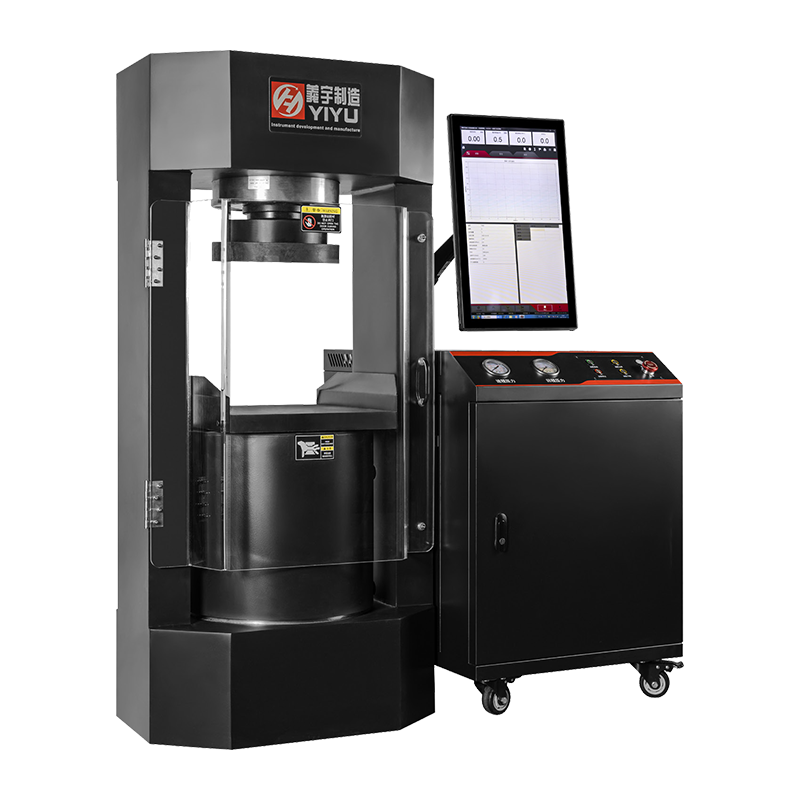
- Concrete cube and cylinder compression: Standard 150 mm concrete cubes require up to 2,000 kN for high-strength grades (C60+). Hydraulic compression machines handle this routinely.
- Full-scale component testing: Automotive chassis components, aircraft landing gear parts, and bridge cables require the sustained high-force output only hydraulic actuators can provide.
- Dynamic and fatigue testing at high loads: Servo-hydraulic systems can apply cyclic loads at frequencies of 50–100 Hz with forces exceeding 1,000 kN — a combination no current electric ball-screw machine achieves.
For national laboratories and large construction material testing centers, a 2,000 kN hydraulic UTM typically costs $120,000–$300,000 and can test virtually every civil engineering material, making it a versatile anchor machine despite its higher operating costs.
Accuracy and Data Quality Differences
Force and displacement accuracy directly affect test validity, certification outcomes, and material property databases. Electronic UTMs consistently outperform hydraulic systems in precision metrics:
Force Measurement
Electronic UTMs using high-resolution load cells and digital servo drives typically meet Class 0.5 accuracy per ISO 7500-1, meaning force error is within ±0.5% of the reading. Many modern systems achieve Class 0.5 accuracy from as low as 2% of the load cell capacity, enabling reliable low-force measurements on a high-capacity machine. Hydraulic systems more commonly operate at Class 1 (±1%) and may exhibit drift over time due to fluid temperature changes affecting viscosity and valve performance.
Displacement and Strain Control
Ball-screw drives in electronic UTMs offer crosshead displacement resolutions of ±0.001 mm or better, with backlash-free movement ideal for accurate extensometer-based strain measurements. Hydraulic cylinders, even with high-quality position transducers (LVDTs), can exhibit small positional instabilities at low speeds due to stick-slip and valve hysteresis — measurable errors typically in the range of 0.01–0.05 mm.
Total Cost of Ownership Analysis
The purchase price is only part of the financial picture. Over a 10-year operational life, maintenance, energy, and consumable costs can substantially change which system is more economical.
Table 2: Estimated 10-year total cost of ownership for a 100 kN electronic UTM vs. a comparable hydraulic UTM (indicative figures)
| Cost Category |
Electronic UTM |
Hydraulic UTM |
| Initial Purchase |
~$25,000 |
~$45,000 |
| Annual Energy Cost |
~$300–$600 |
~$1,500–$3,000 |
| Annual Maintenance |
~$500–$1,000 |
~$2,000–$5,000 |
| Hydraulic Oil / Seals (10 yr) |
N/A |
~$5,000–$10,000 |
| Estimated 10-Year Total |
~$38,000–$50,000 |
~$90,000–$130,000 |
These figures illustrate that an electronic UTM's lower initial and operating costs can result in total savings of $50,000–$80,000 over a decade compared to a hydraulic unit of similar force capacity — a compelling argument for laboratories that do not require forces above 300–500 kN.
Applicable Standards and Compliance
Both machine types must comply with international testing machine performance standards. The most relevant are:
- ISO 7500-1: Verification of static uniaxial testing machines (covers both types; Class 0.5, 1, or 2 grading).
- ASTM E4: Standard practices for force verification of testing machines (U.S. equivalent of ISO 7500-1).
- ISO 9513: Calibration of extensometers used in uniaxial testing.
- EN 10002 / ISO 6892-1: Metallic materials tensile testing — compatible with both machine types.
- GB/T 228.1: Chinese national standard for metal tensile testing, widely applied in hydraulic UTM-equipped facilities.
Critically, ISO 6892-1:2019 introduced strain-rate control requirements (Method A) that favor electronic UTMs due to their superior closed-loop speed control. Hydraulic machines require upgraded servo-valve systems to achieve compliant strain-rate control, adding cost and complexity.
Installation and Environmental Considerations
Space and Foundation Requirements
A standard 100 kN electronic UTM typically requires a footprint of 0.6 m × 1.2 m and needs only a level, vibration-free floor — no special foundation anchoring in most cases. A 1,000 kN hydraulic UTM, by contrast, may require a reinforced concrete pit foundation, dedicated power supply (three-phase, 380V/440V), and a separate hydraulic power unit room to contain noise and potential oil spills.
Environmental Impact
Electronic UTMs align with green laboratory initiatives: no hydraulic oil disposal issues, lower carbon footprint due to reduced energy consumption, and quieter operation enabling open-plan lab designs. Hydraulic systems require periodic oil changes (typically every 2,000–4,000 operating hours) and must comply with local industrial fluid waste disposal regulations — an increasingly important factor for ISO 14001-certified facilities.
How to Choose the Right UTM for Your Application
Use the following decision framework to guide your selection:
- Define your maximum required force. If your heaviest specimen requires more than 600 kN, a hydraulic system is likely necessary. For forces below 300 kN, an electronic UTM is almost always preferable.
- Assess material type and test sensitivity. Soft materials, thin films, or biological tissues demand the precision of an electronic drive. Rigid structural materials like steel and concrete are compatible with both but may exceed electronic UTM capacity.
- Check applicable standards. If your lab works to ISO 6892-1 Method A or ASTM E8 with strain-rate control, confirm the machine's closed-loop capability — modern electronic UTMs handle this natively.
- Evaluate your facility constraints. Limited space, no pit foundation, noise restrictions, or clean environment requirements all point toward an electronic UTM.
- Calculate 10-year total cost of ownership. Include energy, oil/fluid, maintenance, and calibration — not just the purchase price. For most labs running fewer than 2,000 tests per year, electronic UTMs offer better ROI below 500 kN.
In some high-volume industrial labs, a dual-machine strategy is adopted: an electronic UTM for standard quality control and research work, complemented by a hydraulic UTM for large structural component verification. This approach maximizes precision where needed and force capacity where required.

 简体中文
简体中文
 English
 русский