In modern manufacturing and research environments, material quality plays an important role in product safety and performance. From metals and plastics to rubber and composite materials, every component must meet certain strength and durability standards before it reaches the market. To achieve this goal, reliable testing equipment is essential.
Among the various testing tools available today, Electronic Universal Testing Machines have become widely used across laboratories, factories, and research centers. Known for their stable operation, precise control, and consistent results, these machines are designed to handle continuous testing tasks with efficiency and reliability.
As industries place greater focus on quality control and compliance, Electronic Universal Testing Machines are increasingly viewed as a dependable solution for accurate and long-term material testing.
Growing Importance of Material Testing
Product quality often begins with the materials used in manufacturing. If raw materials do not meet the required standards, the final product may fail during use. This can lead to higher costs, repairs, or customer dissatisfaction.
For this reason, manufacturers regularly test material properties such as tensile strength, compression resistance, flexibility, and elongation. These tests help determine whether a material is suitable for a specific application.
As production volumes increase, testing must also keep pace. Equipment that can operate continuously without losing accuracy becomes essential. Electronic Universal Testing Machines are designed to meet this need, providing stable performance during repeated and long-duration tests.
What Are Electronic Universal Testing Machines?
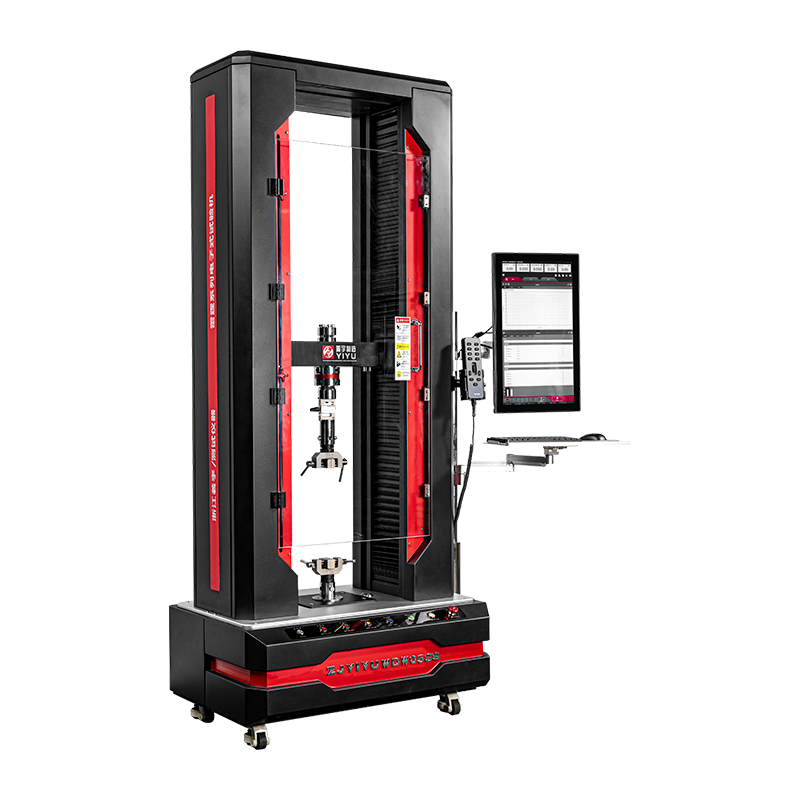
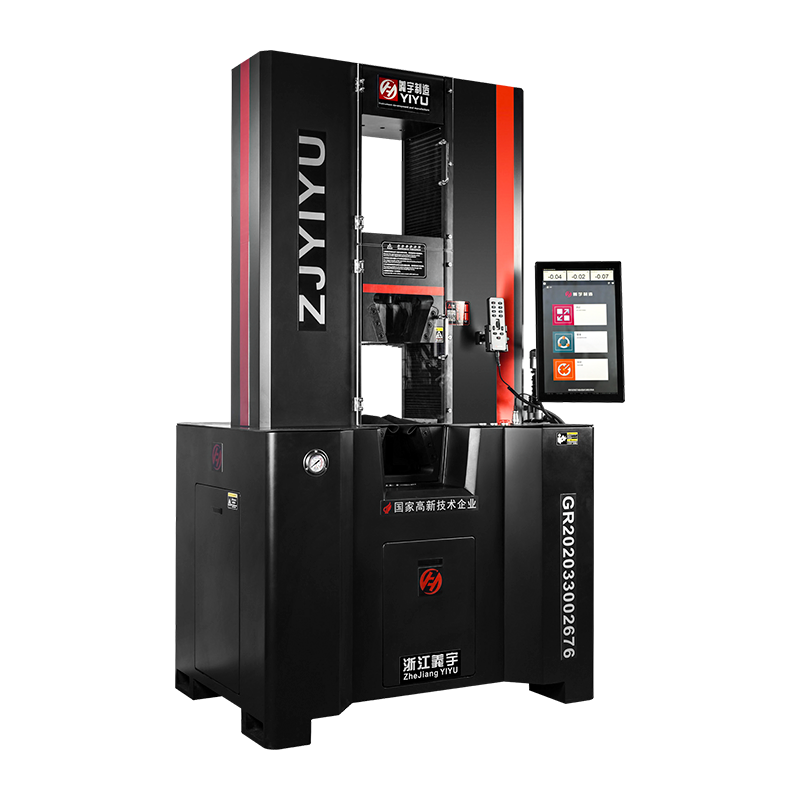
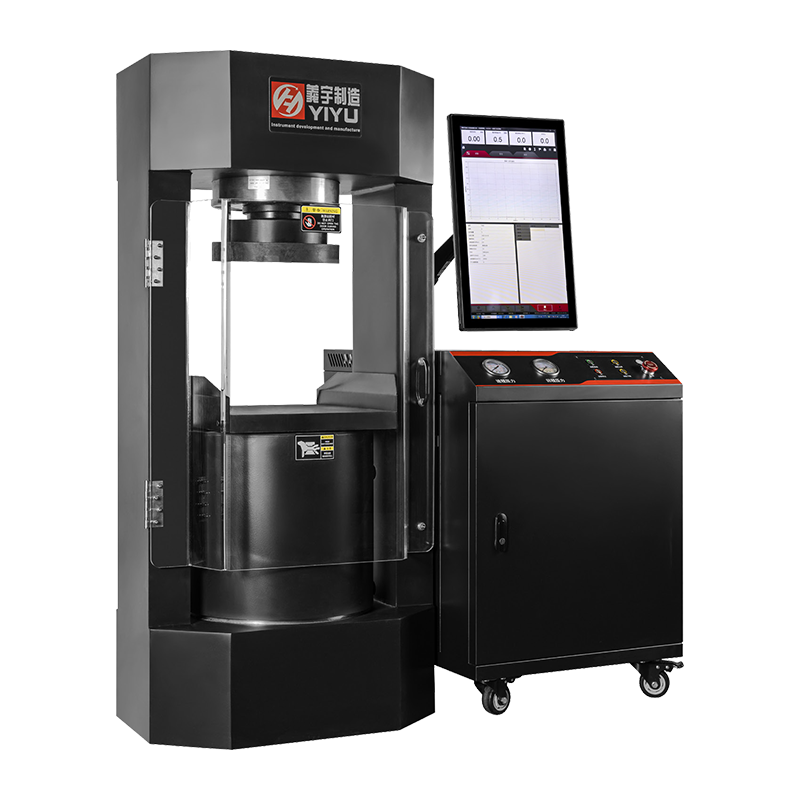
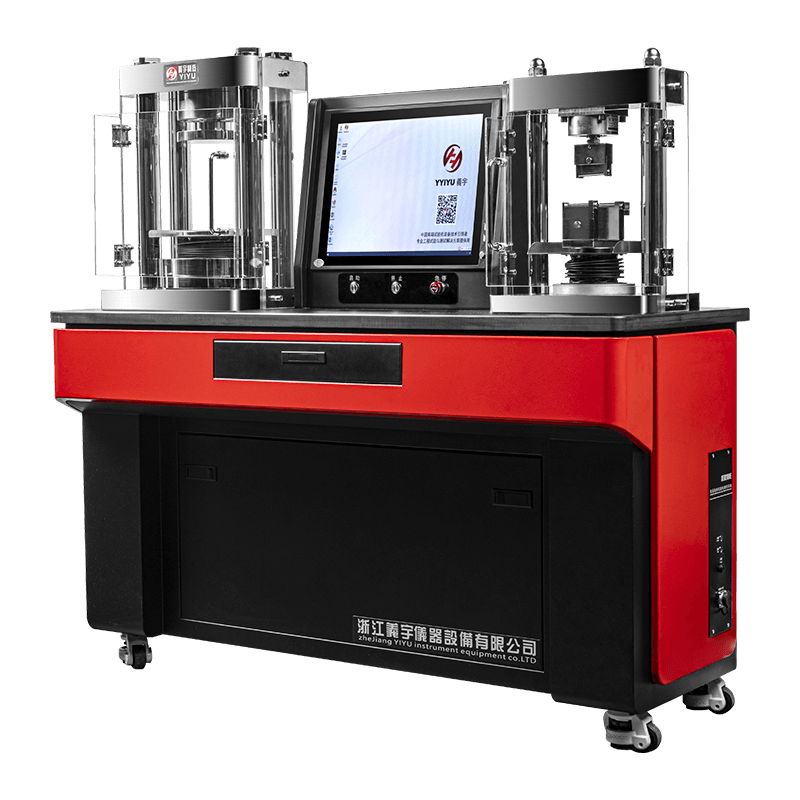
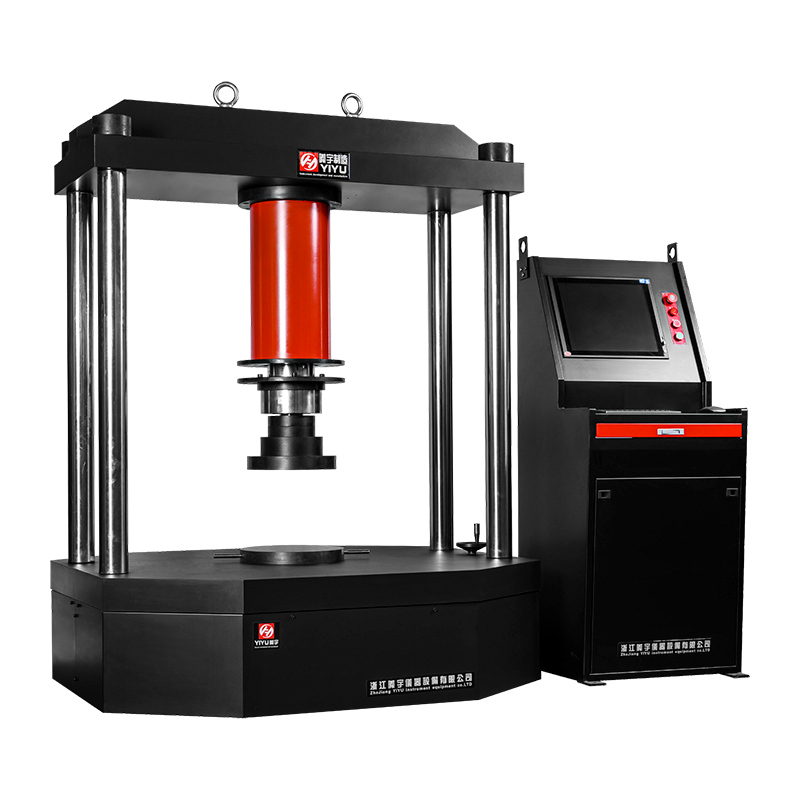
Electronic Universal Testing Machines are laboratory instruments used to evaluate the mechanical properties of materials. They apply controlled forces to a sample and measure how it responds under different conditions.
These machines are commonly used for tensile, compression, bending, and shear tests. The results help engineers understand how a material behaves when stretched, pressed, or loaded.
Unlike older mechanical systems, Electronic Universal Testing Machines use electronic control systems and digital sensors. This allows for more precise measurements and easier operation. Data can be recorded automatically and displayed in real time, which improves efficiency and accuracy.
Because of these features, Electronic Universal Testing Machines are suitable for both routine quality checks and detailed research work.
Designed for Continuous Testing Tasks
In many laboratories and production facilities, testing is not limited to a few samples each day. Some operations require dozens or even hundreds of tests within a short period. This places heavy demands on testing equipment.
Electronic Universal Testing Machines are built to support continuous use. Strong frames, durable load cells, and reliable motors allow the machines to run for extended hours without frequent interruptions.
Stable mechanical structures reduce vibration and maintain consistent alignment during tests. This helps ensure that results remain accurate even after long periods of operation.
For quality control departments that perform daily testing, this stability is a major advantage. The ability to work continuously helps improve productivity and reduces downtime.
Consistent and Accurate Results
Accuracy is one of the most important factors in material testing. Small measurement errors can affect product decisions and quality standards.
Electronic Universal Testing Machines use advanced sensors and digital control systems to provide precise force and displacement measurements. These systems monitor the testing process closely and adjust parameters as needed.
Because the machines operate smoothly and consistently, the variation between tests is minimized. This helps laboratories obtain repeatable results, which are essential for reliable evaluation.
Consistent performance also makes it easier to compare data over time. Engineers can track material changes and make informed decisions based on dependable results.
User-Friendly Operation
Modern testing equipment must not only be accurate but also easy to use. Complex systems can slow down work and require additional training.
Electronic Universal Testing Machines are often equipped with intuitive control panels and software interfaces. Operators can set test parameters, monitor progress, and review results through simple menus.
Automatic functions reduce manual work. For example, the machine can start, stop, and record data without constant supervision. This allows technicians to focus on other tasks while the test runs.
Clear displays and easy data export options make reporting more efficient. These user-friendly features help improve workflow in busy laboratories.
Digital Data Management
Data collection and analysis are important parts of the testing process. Electronic Universal Testing Machines typically include software that records results automatically.
This digital system stores information such as force, displacement, and time. The data can be saved, printed, or shared electronically. Engineers can generate graphs and reports to analyze material behavior.
Digital records reduce the risk of manual errors and make documentation easier. They also help companies meet quality standards and regulatory requirements.
With organized data management, businesses can improve traceability and maintain consistent testing procedures.
Wide Range of Applications
Electronic Universal Testing Machines are used across many industries. Their versatility makes them suitable for different materials and products.
Common applications include:
-
Testing metal strength in automotive and construction parts
-
Evaluating plastic and rubber components in consumer goods
-
Measuring textile durability in the apparel industry
-
Assessing packaging materials for transportation safety
-
Conducting research on new materials in laboratories and universities
Because one machine can perform multiple types of tests, it offers good value and flexibility. This makes Electronic Universal Testing Machines a practical investment for many organizations.
Durable Construction for Long-Term Use
Testing equipment must withstand regular use in demanding environments. Electronic Universal Testing Machines are typically built with strong frames and high-quality components.
Rigid steel structures help maintain stability during heavy loads. Durable motors and drive systems support repeated movement without excessive wear. Protective designs also help prevent dust or debris from affecting performance.
With proper maintenance, these machines can operate reliably for many years. Long service life reduces replacement costs and supports consistent testing operations.
Durability is one of the reasons why many laboratories rely on Electronic Universal Testing Machines for everyday work.
Supporting Research and Innovation
In addition to routine quality checks, Electronic Universal Testing Machines play an important role in research and development. Engineers use them to study new materials and improve existing designs.
By analyzing how materials behave under different forces, researchers can develop products that are stronger, lighter, or more flexible. This supports innovation across many fields.
Universities and research institutes also use these machines for teaching and experiments. Students gain hands-on experience with real testing equipment, preparing them for future careers.
The flexibility and precision of Electronic Universal Testing Machines make them valuable tools for both industry and education.
Improving Efficiency in Quality Control
For manufacturers, efficient quality control is essential. Delays in testing can slow production and increase costs.
Electronic Universal Testing Machines help streamline this process. Fast setup, automated testing, and quick data analysis allow teams to complete more tests in less time.
Reliable operation reduces the need for repeated measurements, saving both time and materials. This supports smoother production schedules and better resource management.
By improving efficiency, these machines contribute to overall operational performance.
Market Trends and Future Outlook
As industries continue to focus on quality and compliance, the demand for dependable testing equipment is expected to remain steady. Electronic Universal Testing Machines are evolving with new features such as improved software, smarter controls, and enhanced connectivity.
Some models now support remote monitoring and integration with laboratory management systems. These developments make testing more convenient and organized.
With growing interest in automation and digital solutions, Electronic Universal Testing Machines are likely to play an increasingly important role in modern laboratories.

 简体中文
简体中文
 English
 русский