In the construction industry, ensuring the strength, durability, and reliability of materials is essential. From high-rise buildings to bridges, roads, and industrial facilities, every structure relies on materials that can withstand compressive and flexural stresses. Testing these materials accurately is critical, and modern laboratories are turning to Compression&Flexure Integrated Machines as an efficient, reliable, and versatile solution for material evaluation.
As a leading manufacturer and supplier of Compression&Flexure Integrated Machines, we understand how these machines are transforming construction material testing. By combining compression and flexural testing capabilities in a single system, laboratories can streamline workflows, reduce costs, and ensure precise results.
What Are Compression&Flexure Integrated Machines?
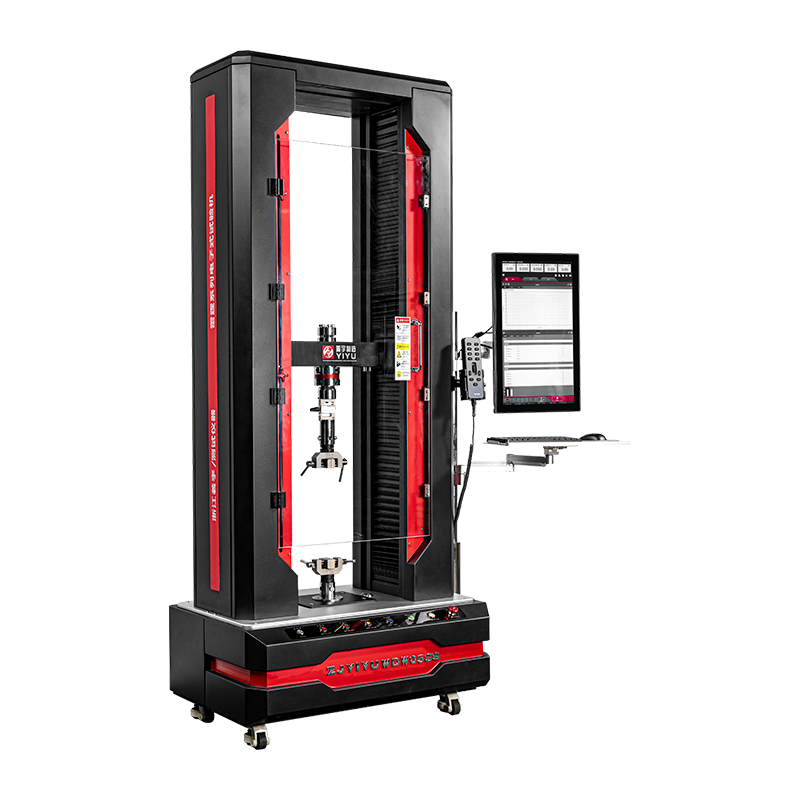
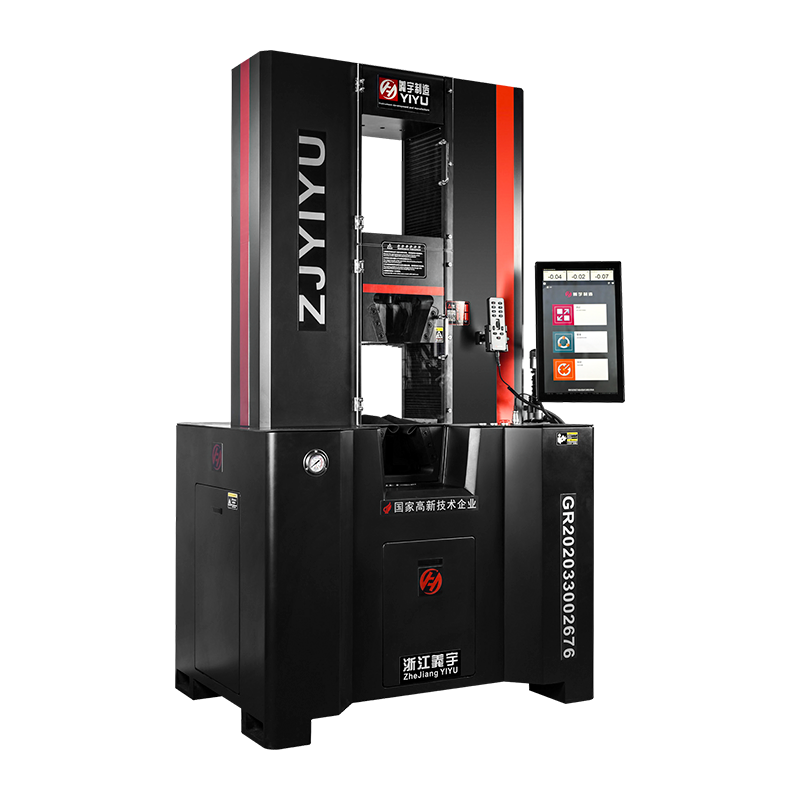
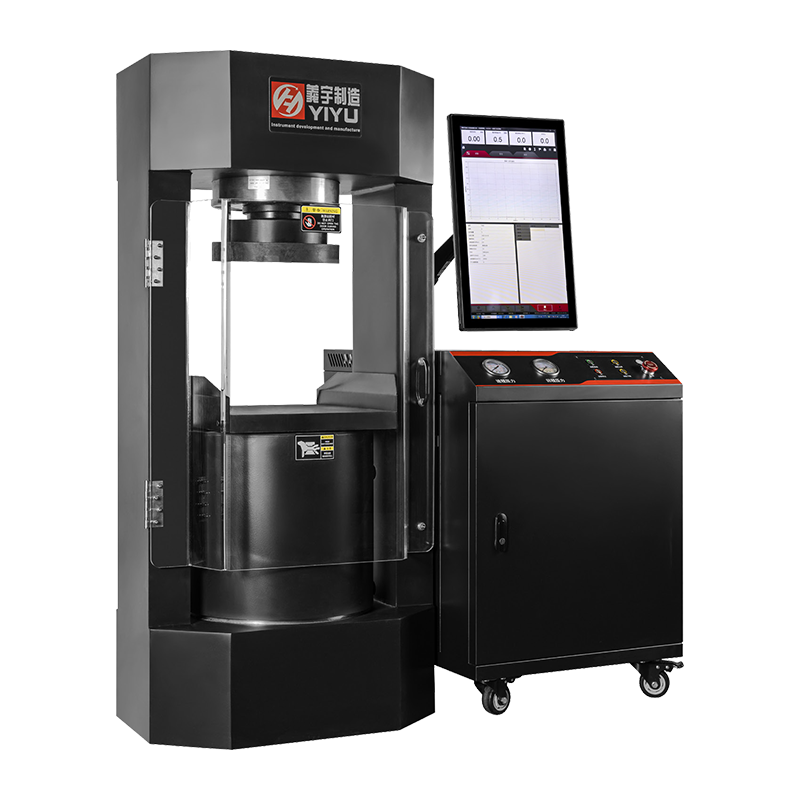
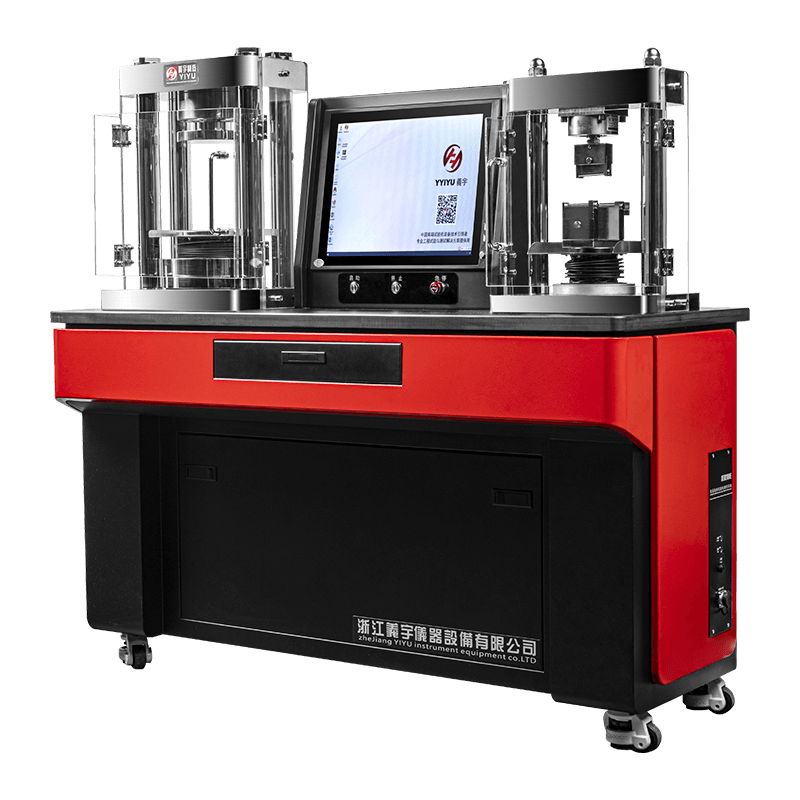
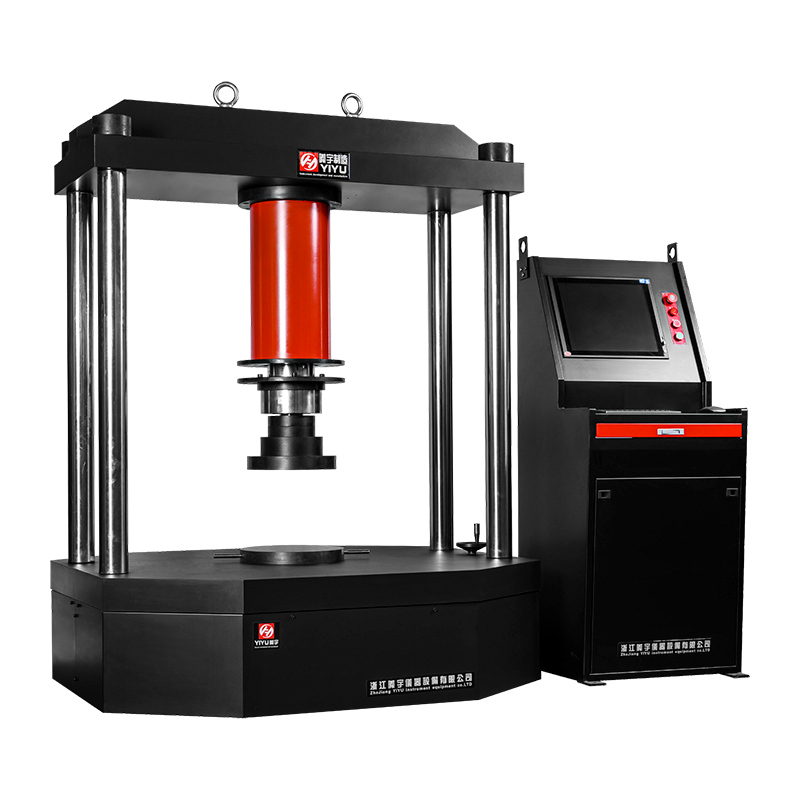
Compression&Flexure Integrated Machines are advanced testing systems designed to measure both compressive strength and flexural performance of construction materials, including concrete, metals, composites, and ceramics. Unlike traditional single-purpose machines, integrated systems allow laboratories to conduct multiple tests using one device, saving space, time, and resources.
Key components of a typical Compression&Flexure Integrated Machine include:
- Load Frame: A rigid structure capable of withstanding high compressive and flexural loads.
- Hydraulic or Electromechanical System: Applies controlled force to the specimen for both compression and flexure tests.
- Control Panel and Software: Manages load application, monitors stress and strain, and records real-time data.
- Platens and Fixtures: Secure test specimens and ensure even distribution of forces.
- Data Acquisition System: Captures precise measurements for analysis, reporting, and quality assurance.
By integrating compression and flexural testing, these machines provide a comprehensive evaluation of material performance under real-world conditions.
Why Compression&Flexure Integrated Machines Are Essential in Construction
Construction materials are subjected to various forces in actual structures, including compression, bending, and torsion. Accurate testing is vital to ensure materials can withstand these stresses without failure. Compression&Flexure Integrated Machines address these needs efficiently.
Comprehensive Material Evaluation
By performing both compression and flexural tests on the same machine, engineers can assess the complete mechanical behavior of materials. This dual functionality ensures that materials are not only strong under vertical loads but also flexible enough to resist bending or cracking under stress.
Enhanced Safety
Material failures can have catastrophic consequences. Compression&Flexure Integrated Machines help identify weaknesses in construction materials early, reducing the risk of structural failure and enhancing safety in buildings, bridges, and roads.
Streamlined Laboratory Operations
Traditional testing often requires multiple machines for different tests. Integrated systems eliminate the need for separate equipment, saving space, reducing setup time, and minimizing operational complexity.
Compliance with Standards
Construction projects must meet international standards, such as ASTM, ISO, EN, and BS codes. Compression&Flexure Integrated Machines provide accurate and repeatable results, helping laboratories and manufacturers ensure compliance.
Cost and Time Efficiency
By combining multiple testing capabilities into a single system, laboratories reduce capital investment and maintenance costs while increasing testing throughput. This efficiency is particularly valuable for high-volume material production or large construction projects.
Applications of Compression&Flexure Integrated Machines
Compression&Flexure Integrated Machines are versatile and suitable for testing a wide range of construction materials:
Concrete Testing
Concrete is the primary material in modern construction. These machines test the compressive strength of concrete cubes, cylinders, and blocks while also evaluating flexural performance of beams or slabs. This comprehensive assessment ensures concrete can support structural loads and resist cracking.
Metals and Reinforcement Bars
Steel and other metals used in reinforced concrete or industrial construction are tested for compressive and flexural properties. Compression&Flexure Integrated Machines ensure that beams, columns, and reinforcements meet design specifications.
Composite Materials
Composite materials combine strength and flexibility. Integrated machines evaluate both aspects simultaneously, helping engineers select the most suitable materials for high-performance structures.
Bricks and Masonry
Masonry materials, such as bricks and blocks, undergo compressive and bending stress in walls and pavements. Testing with integrated machines ensures these materials meet durability and safety standards.
Ceramics and Specialized Construction Materials
Advanced materials like fiber-reinforced composites or engineered ceramics can also be tested using Compression&Flexure Integrated Machines, providing precise measurements for research, development, and quality assurance.
Advantages of Using Compression&Flexure Integrated Machines
Investing in Compression&Flexure Integrated Machines offers numerous benefits for laboratories, manufacturers, and construction professionals:
Precision and Reliability
Integrated machines provide accurate and repeatable results for both compression and flexural tests, ensuring reliable data for design and quality control.
Multi-Functionality
By combining multiple testing capabilities in one system, these machines eliminate the need for separate devices, reducing laboratory space and simplifying workflows.
Automation and Data Management
Modern machines feature digital control systems, automated load application, and advanced data acquisition software, minimizing human error and streamlining reporting.
Durability
High-quality integrated machines are built to withstand continuous use in demanding industrial and laboratory environments.
Enhanced Efficiency
Laboratories can perform more tests in less time, accelerating material evaluation, research, and quality assurance processes.
Technological Innovations in Compression&Flexure Integrated Machines
The development of Compression&Flexure Integrated Machines has been driven by technological advancements that improve performance, accuracy, and user experience:
Digital Control Panels
Modern systems allow precise load application, real-time monitoring, and automatic test sequencing for both compression and flexure tests.
High-Capacity Machines
Advanced models can handle large specimens and high loads, making them suitable for testing heavy concrete beams, industrial metals, and large-scale construction materials.
Multi-Axis Testing
Some integrated machines offer combined stress simulations, including compression, bending, and torsion, for more realistic material evaluation.
Remote Monitoring and IoT Integration
IoT-enabled machines allow remote data monitoring, predictive maintenance, and cloud-based reporting, improving laboratory efficiency and accessibility.
Eco-Friendly Designs
Energy-efficient hydraulic systems and sustainable manufacturing practices reduce environmental impact while maintaining high performance.
Selecting the Right Compression&Flexure Integrated Machine
Choosing the ideal Compression&Flexure Integrated Machine depends on the materials, applications, and laboratory requirements:
- Load Capacity: Determine the maximum compressive and flexural loads expected for testing.
- Material Type: Ensure compatibility with concrete, metal, composite, or masonry specimens.
- Automation Level: Decide between manual, semi-automatic, or fully automated systems based on testing volume and precision needs.
- Data Management: Select machines with digital interfaces and software for real-time analysis, reporting, and compliance tracking.
- Space and Portability: Evaluate laboratory space, installation requirements, and mobility.
- Compliance: Verify the machine meets relevant international testing standards (ASTM, ISO, EN).
Industry Trends Driving Adoption
Several trends are driving the growing adoption of Compression&Flexure Integrated Machines in construction and research:
- Urbanization and Infrastructure Growth: Increasing construction projects demand rigorous material testing.
- Sustainable Construction Practices: Integrated machines help test eco-friendly materials and composites.
- Digital Transformation in Labs: Automated, smart systems reduce manual intervention and improve accuracy.
- Enhanced Safety Standards: Strict building codes and regulations require precise material evaluation.
- Innovation in Materials: New concrete blends, metals, and composites require versatile testing solutions.

 简体中文
简体中文
 English
 русский