In the construction industry, safety, durability, and quality are non-negotiable. From towering skyscrapers to bridges and roads, every structure relies on materials that can withstand pressure, stress, and environmental challenges. One of the most critical tools in ensuring these standards is the Compression Testing Machine. These machines are essential for assessing the strength, reliability, and performance of construction materials before they are used in real-world applications.
As a leading manufacturer and supplier of Pressure Testing Machines and Compression Testing Machines, we understand the importance of precision, reliability, and efficiency in material testing.
What Are Compression Testing Machines?
Compression Testing Machines are specialized equipment designed to apply controlled compressive forces to construction materials to evaluate their mechanical properties. By simulating the conditions materials will face in actual structures, these machines provide critical insights into their performance and durability.
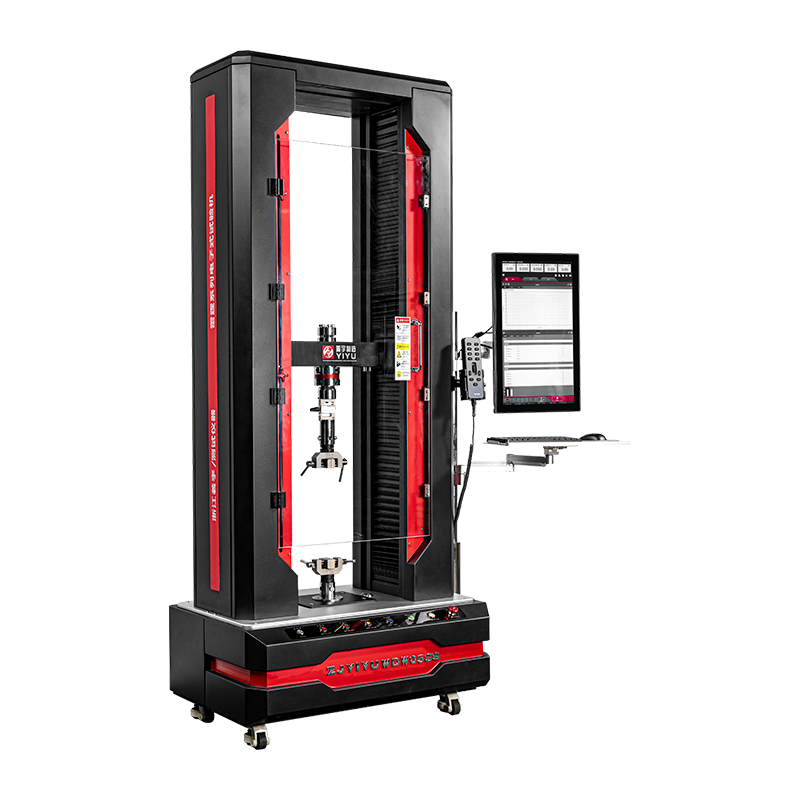
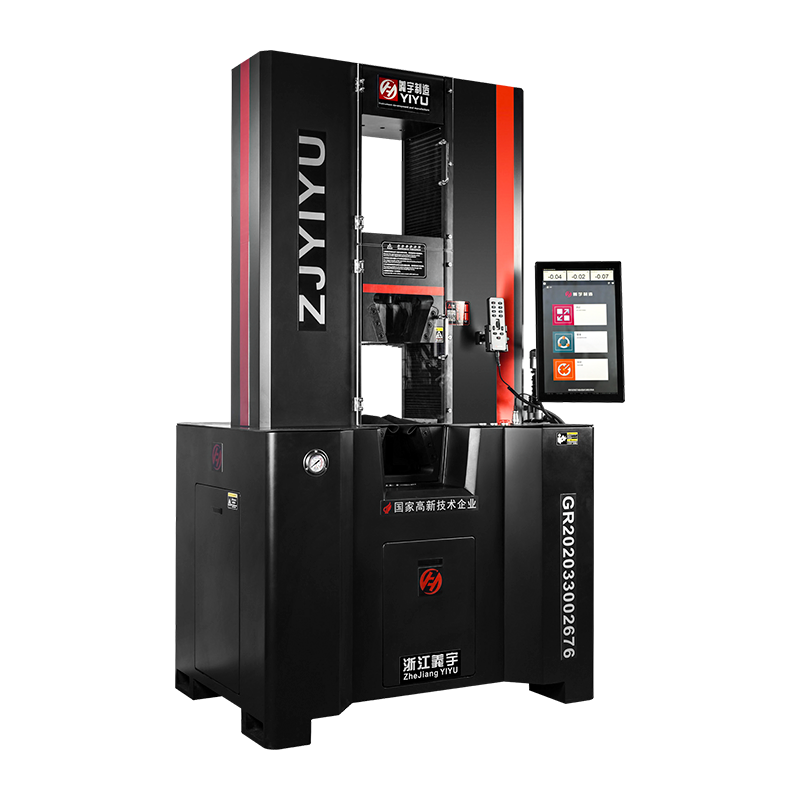
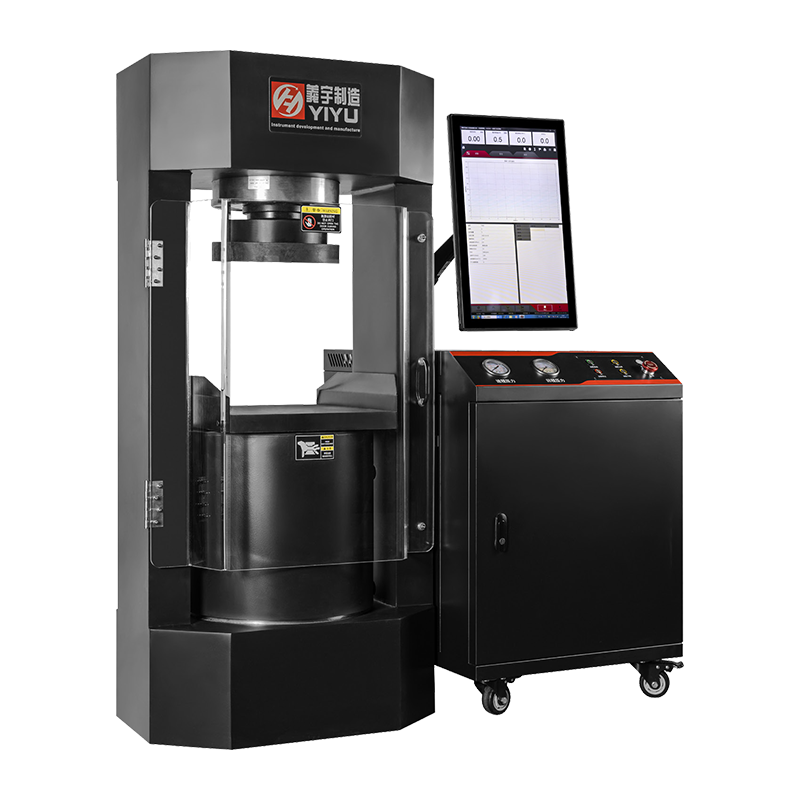
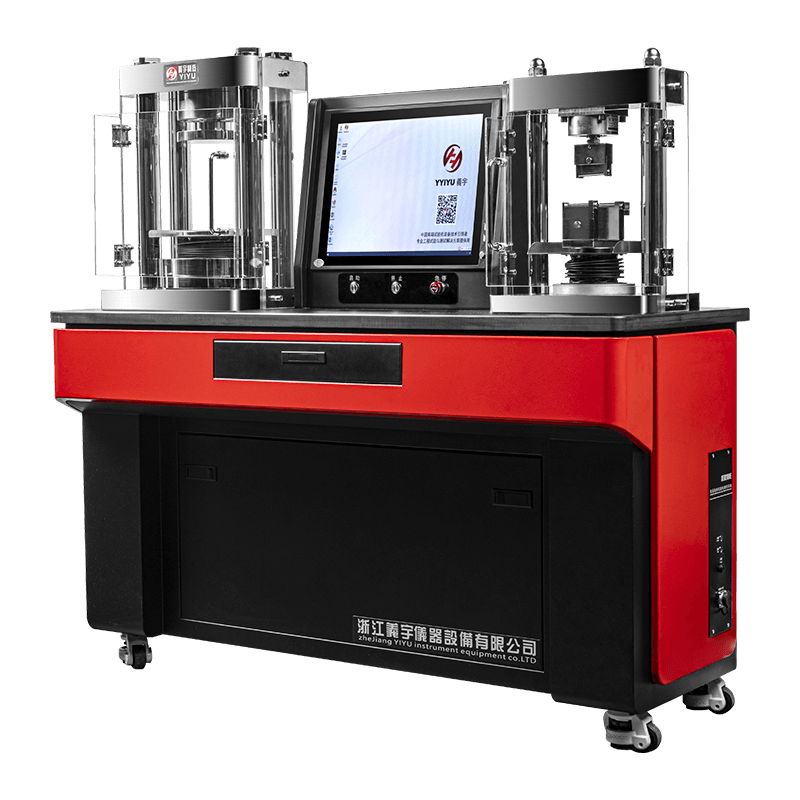
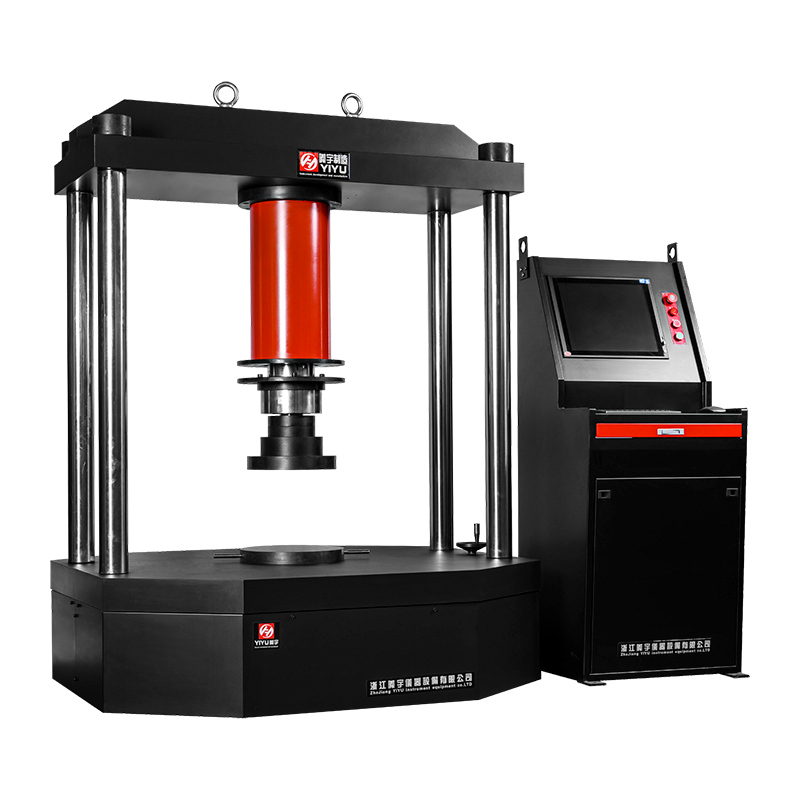
Key components of a typical Compression Testing Machine include:
- Load Frame: A rigid structure that supports the test specimen and the applied load.
- Hydraulic or Mechanical System: Generates compressive forces for testing.
- Control Unit: Monitors load application, measures stress and strain, and records data.
- Platens and Fixtures: Secure the test sample and distribute load evenly.
- Data Acquisition System: Captures real-time data for analysis and reporting.
These machines can test a wide range of materials, including concrete, metals, composites, bricks, and ceramics.
Why Compression Testing Machines Are Essential in Construction
The safety and durability of structures depend heavily on the quality of materials. Compression Testing Machines provide the data and insights necessary to make informed decisions during the construction process.
Ensuring Material Strength
Construction materials must withstand compressive forces without failing. Compression Testing Machines measure maximum load-bearing capacity, allowing engineers to verify that materials meet required standards and specifications.
Enhancing Safety
Structural failures can have catastrophic consequences. By testing materials under controlled compression, engineers can detect weaknesses or defects early, preventing potential failures and ensuring public safety.
Supporting Quality Control
Quality assurance is critical in construction projects. Compression Testing Machines allow manufacturers to maintain consistent material quality, monitor production processes, and comply with industry regulations.
Informing Design Decisions
Understanding the compressive properties of materials helps engineers design safer, more efficient structures. Data from Compression Testing Machines supports load calculations, reinforcement strategies, and long-term durability planning.
Compliance with Standards
Construction materials must meet national and international standards such as ASTM, ISO, and EN. Compression Testing Machines provide accurate, repeatable results that help manufacturers and contractors comply with these regulations.
Applications of Compression Testing Machines in Construction
Compression Testing Machines are versatile tools that find applications across multiple sectors of the construction industry:
Concrete Testing
Concrete is the backbone of modern construction. Compression Testing Machines measure the compressive strength of concrete cubes, cylinders, and blocks to ensure they meet design requirements and can safely support structural loads.
Masonry Materials
Bricks, blocks, and stone are tested to determine their ability to withstand compressive forces. This ensures that walls, pavements, and foundations constructed with these materials are durable and reliable.
Metal and Steel Testing
Steel and other metals used in construction require precise compressive strength analysis. Compression Testing Machines assess load-bearing capacity and performance under pressure, critical for beams, columns, and reinforcement bars.
Composite Materials
Modern construction often incorporates composites, which combine strength and flexibility. Compression Testing Machines evaluate their performance, helping engineers select materials suited for specific applications.
Asphalt and Road Materials
Road construction materials, including asphalt and concrete aggregates, are tested for compressive strength to ensure longevity and resistance to traffic loads.
Advantages of Using Compression Testing Machines
Investing in Compression Testing Machines offers multiple benefits for manufacturers, engineers, and construction companies:
Accuracy and Reliability
Modern machines provide precise measurements of compressive strength, stress, and deformation, ensuring reliable data for material evaluation.
Versatility
Compression Testing Machines can test a wide range of materials, from concrete and metals to ceramics and composites, making them suitable for diverse construction applications.
Efficiency and Speed
Automated systems allow rapid testing and data collection, streamlining quality control and research processes.
Data-Driven Decision Making
Digital interfaces and data acquisition systems provide real-time insights, supporting informed engineering and design decisions.
Long-Term Cost Savings
By identifying weak materials early, Compression Testing Machines reduce the risk of structural failure, rework, and maintenance costs.
Technological Innovations in Compression Testing Machines
The evolution of Compression Testing Machines has been driven by advancements in automation, data management, and material science:
Digital and Automated Systems
Modern machines feature fully automated load application, digital controls, and software for data acquisition, reducing human error and improving test consistency.
High-Capacity and Heavy-Duty Machines
Industrial applications require machines capable of testing large specimens under high loads. High-capacity compression testing machines now support loads up to several thousand kilonewtons.
Multi-Axis Testing
Advanced machines can apply combined compression, tension, and shear forces, simulating real-world stress conditions more accurately.
Remote Monitoring and IoT Integration
Some machines integrate with IoT platforms, enabling remote monitoring, predictive maintenance, and real-time data sharing across laboratories or construction sites.
Eco-Friendly Designs
Manufacturers are adopting energy-efficient hydraulic systems and recyclable materials in machine construction, aligning with sustainable construction practices.
Choosing the Right Compression Testing Machine
Selecting the appropriate Compression Testing Machine depends on the material, application, and testing requirements:
- Load Capacity: Determine the maximum force the machine should apply based on material and sample size.
- Material Type: Choose machines compatible with concrete, metal, composite, or ceramic specimens.
- Automation Level: Decide between manual, semi-automatic, or fully automatic systems based on production scale and accuracy needs.
- Data Management: Consider software and digital interfaces for real-time data acquisition and reporting.
- Space and Portability: Evaluate machine size, installation requirements, and portability for laboratory or on-site use.
- Compliance: Ensure the machine meets relevant international testing standards (ASTM, ISO, EN).
Industry Trends Driving Compression Testing Machine Adoption
Several global trends are increasing the demand for Compression Testing Machines in construction:
- Urbanization and Infrastructure Development: Growing construction projects require rigorous material testing.
- Sustainability Initiatives: Testing eco-friendly materials and composites ensures compliance and long-term performance.
- Digital Transformation: Smart, automated machines improve efficiency and accuracy in modern laboratories.
- Safety Regulations: Stricter standards and codes necessitate reliable material testing for structural safety.
- Material Innovation: New composites, concrete blends, and metals require advanced testing capabilities to assess performance under compression.

 简体中文
简体中文
 English
 русский