In the modern construction industry, the integrity of a structure is only as reliable as the materials used to build it. From the soaring heights of urban skyscrapers to the sprawling spans of highway bridges, the safety of millions depends on the strength of concrete and cement. As we move through 2026, global building codes and environmental regulations have become more stringent than ever. For testing laboratories and construction firms, staying compliant is no longer just a legal obligation—it is a cornerstone of professional reputation and project success.
Central to this compliance is the ability to perform accurate, repeatable, and documented material tests. This is where Compression & Flexure Integrated Machines have revolutionized the laboratory environment. By combining two essential testing capabilities into a single, high-precision instrument, these machines help engineers navigate the complex web of concrete testing regulations with unprecedented ease.
The Evolving Landscape of Concrete Testing Regulations
To understand the value of an integrated system, one must first look at the regulatory landscape. Testing standards such as ASTM C39 (for compressive strength of cylindrical concrete specimens) and EN 196-1 (for methods of testing cement) are the international benchmarks. These regulations dictate everything from the rate of loading to the precision of the sensors and the calibration of the equipment.
In recent years, there has been a global push toward "Real-Time Data Integrity." Regulators are increasingly demanding digital records that prove a test was conducted exactly according to the specified curve. Traditional, manual machines often struggle to meet these documentation requirements. However, modern Compression & Flexure Integrated Machines are designed with digital-first architectures that automatically log every kilonewton of force applied, ensuring that your lab remains beyond reproach during audits.
Why "Integrated" is the Smart Choice for 2026
In the past, a laboratory would require two separate, bulky machines: one for compression testing (crushing cubes or cylinders to find their breaking point) and another for flexure testing (bending beams or prisms to measure their tensile strength). While functional, this setup consumed double the floor space and required two separate maintenance schedules.
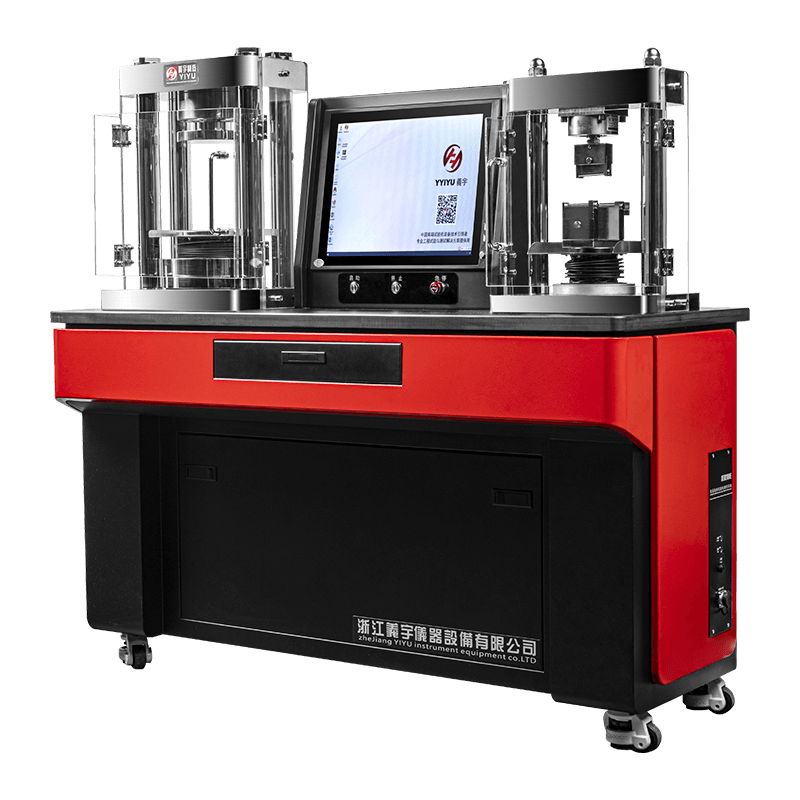
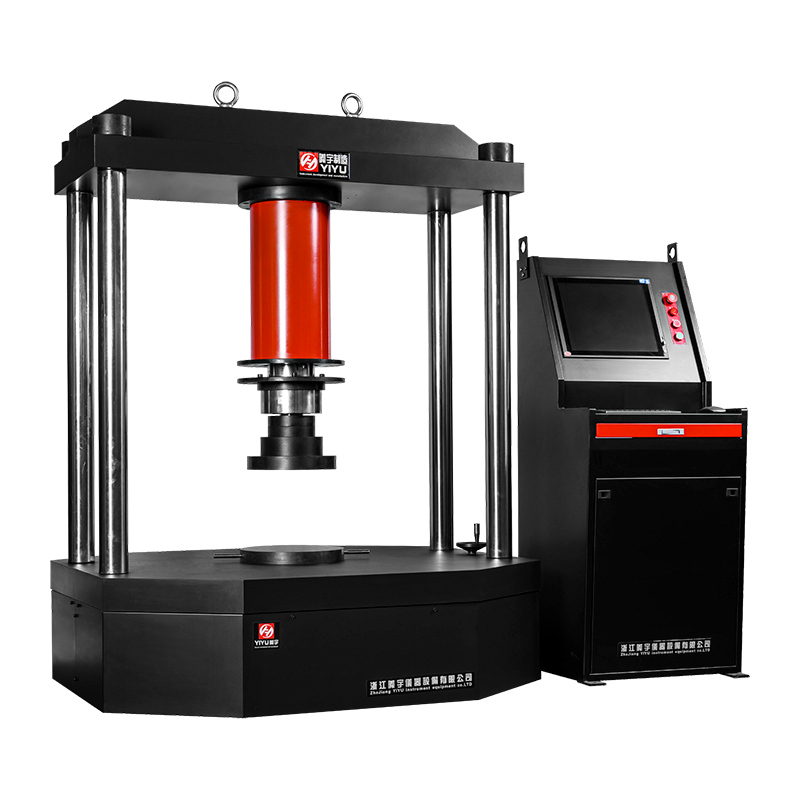
The Compression & Flexure Integrated Machine changes this dynamic. By utilizing a dual-chamber or dual-frame design powered by a single hydraulic and electronic control system, these machines offer several distinct advantages:
Space Efficiency and Lab Workflow
Laboratory real estate is expensive. By consolidating two major testing functions into one footprint, labs can optimize their workflow. Technicians can move seamlessly from a compression test on a cement cube to a flexure test on a mortar prism without walking across a large facility or switching between different software interfaces. This streamlined movement reduces the physical strain on staff and speeds up the daily testing throughput.
Cost-Effectiveness in Maintenance
Every piece of high-precision equipment requires annual or semi-annual calibration to remain compliant with ISO and ASTM standards. Maintaining two separate machines means paying for two calibration visits, two sets of spare parts, and two different software updates. An integrated machine simplifies this significantly. Because both testing frames share a central hydraulic pump and digital controller, the total cost of ownership over a five-year period is substantially lower.
Superior Data Consistency
When both tests are performed on the same integrated platform, the data is stored in a unified database. This makes it much easier for quality control managers to correlate data. For instance, if a specific batch of concrete shows unusual results in both flexure and compression, having those results side-by-side in one digital report makes troubleshooting the material mix much faster.
Technical Deep Dive: How These Machines Work
To the uninitiated, a Compression & Flexure Integrated Machine might look like a simple hydraulic press, but the technology inside is incredibly sophisticated.
- The Frame Structure: Most integrated machines feature a heavy-duty, four-column or high-stiffness welded frame. This rigidity is essential; if the frame flexes under load, it absorbs energy and skews the test results.
- The Hydraulic System: Modern units use servo-hydraulic valves. Unlike old-fashioned manual valves, servo-valves can adjust the flow of oil in milliseconds to maintain a perfectly constant pace of loading—a strict requirement for ASTM compliance.
- Load Cells and Pressure Transducers: High-resolution sensors ensure that the force is measured with an accuracy of 0.5% or better. In 2026, these sensors are often equipped with "Smart Calibration" chips that store their own historical data, making it easier for technicians to spot drift before it becomes a compliance issue.
Meeting Specific Standards: Compression vs. Flexure
The beauty of a high-quality integrated machine lies in its versatility across different materials.
Compression Testing: For concrete, this usually involves testing 150mm cubes or 100x200mm cylinders. The machine must apply force at a steady rate until the specimen fails. The integrated system's software automatically calculates the stress (in MPa or PSI) based on the specimen's dimensions.
Flexure Testing: Flexural strength is critical for pavements, airport runways, and bridge decks where the concrete must withstand "bending" forces. The flexure side of the machine uses specialized jigs (3-point or 4-point loading) to apply force to concrete beams. Because flexural strength is usually much lower than compressive strength, the integrated machine's second frame is often optimized for lower-force, higher-sensitivity measurements.
The Digital Transformation: Beyond the Break
In 2026, the physical "breaking" of the concrete is only half the story. The other half is the data. Modern Compression & Flexure Integrated Machines are now IoT-enabled (Internet of Things). This means the machine can be connected to the laboratory's LIMS (Laboratory Information Management System).
Imagine a scenario where a technician scans a QR code on a concrete sample. The machine automatically loads the correct testing parameters for that specific project. Once the test is complete, the results are instantly uploaded to the cloud, where the project engineer can view them from a tablet on the construction site miles away. This level of connectivity eliminates manual data entry errors and ensures that the "Concrete Testing Regulations" are followed to the letter, with a full digital audit trail.
Common Challenges and How Integrated Systems Solve Them
One of the biggest challenges in a high-volume lab is operator variability. Two different technicians might operate a manual machine slightly differently, leading to inconsistent results. Integrated systems minimize this by automating the load cycle. Once the "Start" button is pressed, the machine takes over, following a pre-programmed path that is identical every time.
Another challenge is machine wear. Over thousands of cycles, hydraulic seals can leak and sensors can lose precision. Integrated machines in 2026 often include "Predictive Maintenance" features. The software monitors the time it takes for the pump to reach a certain pressure or the temperature of the hydraulic oil. If it detects an anomaly, it alerts the manager before the machine fails a calibration check, saving the lab from weeks of downtime.
Environmental Impact and Sustainability
Sustainability is a major theme in 2026. The construction industry is under pressure to reduce its carbon footprint, leading to the rise of "Green Concrete" (using recycled aggregates or fly ash). These new materials often have different curing and strength-gain profiles than traditional Portland cement.
A high-quality Compression & Flexure Integrated Machine provides the precision needed to research and validate these new, eco-friendly mixes. By ensuring these materials meet safety regulations, integrated testing systems are indirectly helping the industry transition to a more sustainable future.
Choosing the Right Manufacturer
When looking to invest in an integrated machine, it is vital to look beyond the price tag. Consider the following:
- After-Sales Support: Does the manufacturer have local technicians who can perform the required annual calibrations?
- Software Updates: Is the control software user-friendly, and does the manufacturer provide regular updates to stay current with changing ASTM/EN standards?
- Build Quality: Is the frame rated for high-stiffness? A lighter frame might be cheaper to ship, but it will not provide the same precision over a 10-year lifespan.

 简体中文
简体中文
 English
 русский