In the world of material science and quality control, the ability to accurately measure the strength, durability, and limits of a material is paramount. Whether you are testing high-strength steel for a skyscraper, carbon fiber for an aircraft wing, or reinforced concrete for a bridge, you need a machine that can handle immense force with surgical precision. This is where Hydraulic Universal Testing Machines (HUTM) come into play.
Often referred to as the workhorse of the testing laboratory, these machines are designed to perform a variety of mechanical tests, including tension, compression, bending, and shearing. However, selecting the right one for your facility is a complex process that involves balancing technical specifications, long-term durability, and budgetary constraints.
Understanding the Basics of Hydraulic Universal Testing Machines
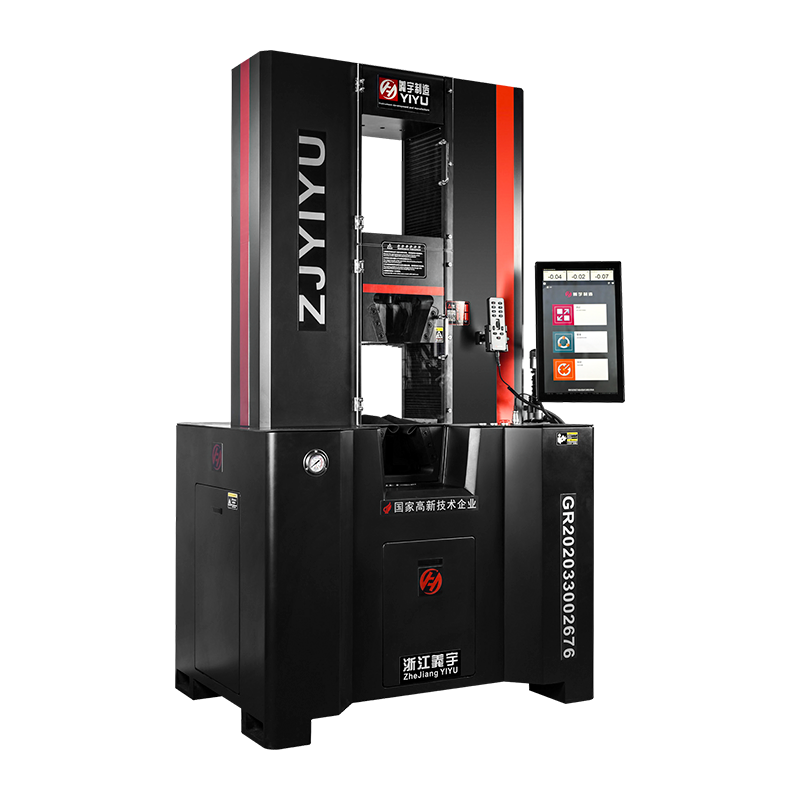
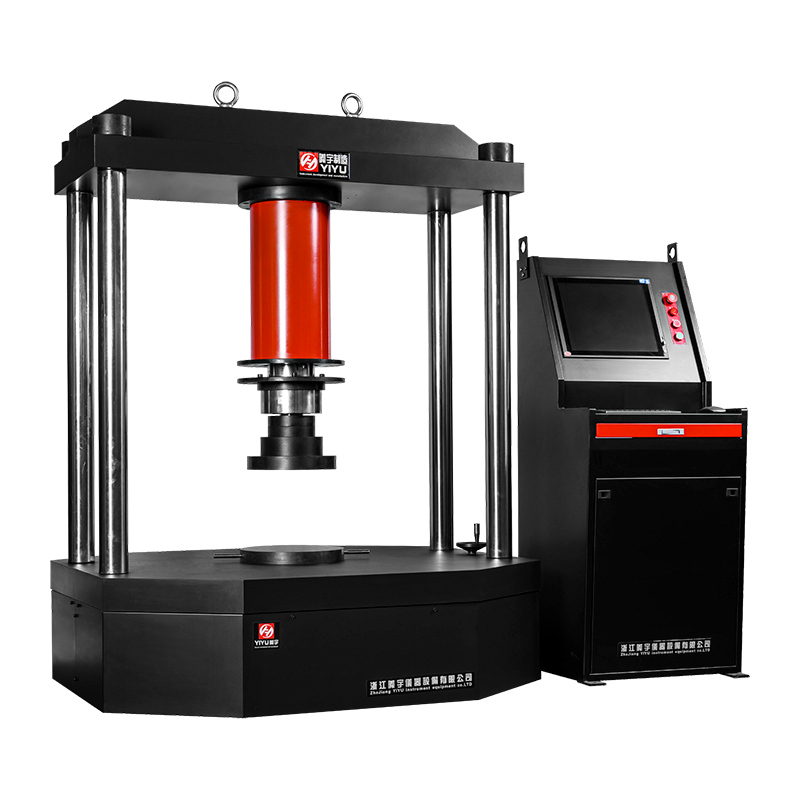
At its core, a hydraulic universal testing machine utilizes fluid power to apply force to a specimen. Unlike electromechanical systems that use screw-driven motors, hydraulic systems are uniquely suited for high-capacity testing—typically ranging from 300kN to 3000kN and beyond.
The system consists of several key modules:
- The Load Frame: The heavy-duty structure that houses the specimen.
- The Hydraulic Power Unit (HPU): The "heart" that pumps oil to create pressure.
- The Servo Valve: The brain that regulates the flow of oil to control the speed and force of the test.
- The Control System and Software: The interface where data is collected and analyzed.
Identify Your Load Capacity Requirements
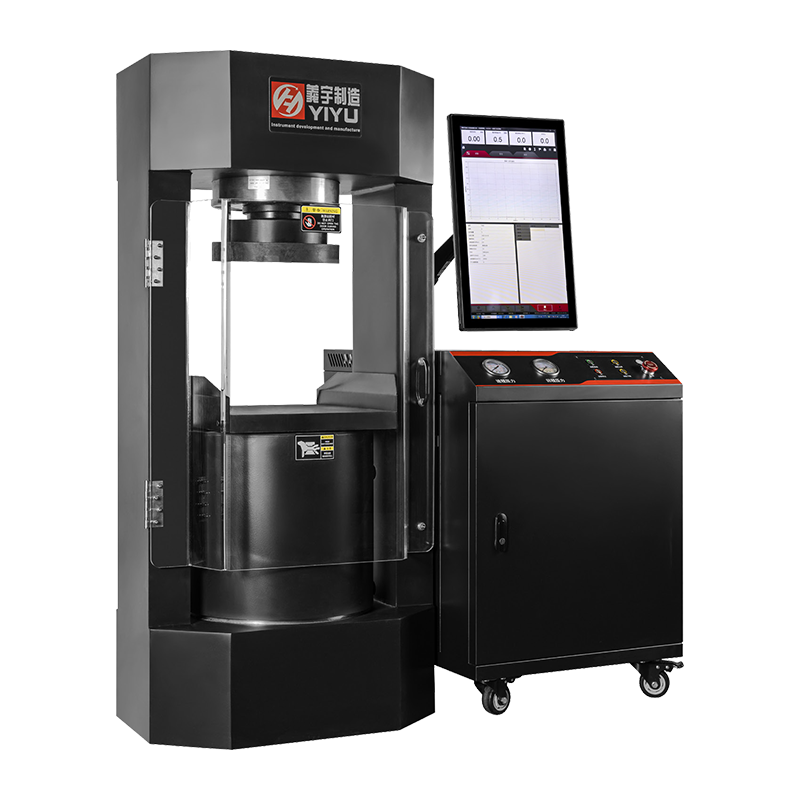
The most critical step in choosing a machine is determining the maximum force you need to apply. Hydraulic Universal Testing Machines are preferred for high-force applications because they can maintain high loads for extended periods without the mechanical wear associated with gear-driven systems.
- Standard Metals and Construction: A 600kN or 1000kN machine is usually sufficient for testing standard rebar, bolts, and steel plates.
- Heavy Industrial and Infrastructure: For testing large-scale structural components or high-strength alloys, you may need a system rated for 2000kN or 3000kN.
Expert Tip: Always choose a machine with a capacity slightly higher than your maximum anticipated testing needs. Running a machine at 95% of its capacity every day can lead to faster seal wear and increased maintenance. A "sweet spot" is typically operating within 20% to 80% of the machine's rated capacity.
Control Technology: Manual vs. Servo-Hydraulic
When browsing for Hydraulic Universal Testing Machines, you will encounter two main types of control:
Manual Control Systems
These are traditional machines where the operator manually adjusts valves to control the rate of loading. While these are more affordable and robust, they rely heavily on the operator's skill. They are suitable for basic quality checks where high-precision strain control is not mandatory.
Servo-Hydraulic Control Systems
Modern laboratories almost exclusively opt for servo-controlled systems. These machines use a closed-loop feedback system. You can program the software to maintain a specific strain rate or stress rate, and the machine automatically adjusts the hydraulic flow in real-time to match that profile. This is essential for meeting international standards like ASTM E8 or ISO 6892, which require strict control over testing speeds.
Frame Design and Ergonomics
The physical structure of the load frame affects both the accuracy of your results and the safety of your operators.
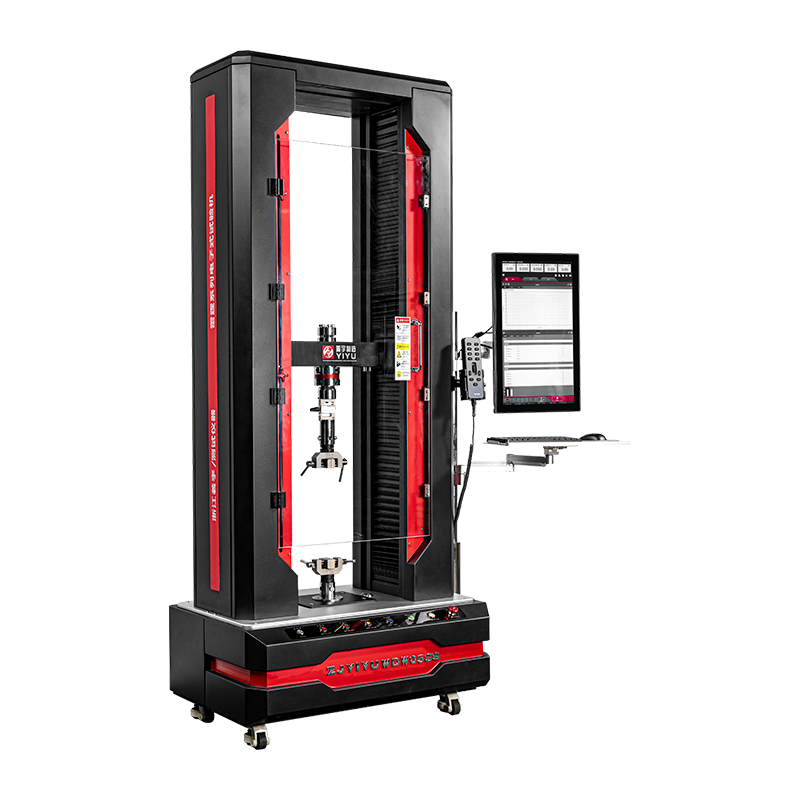
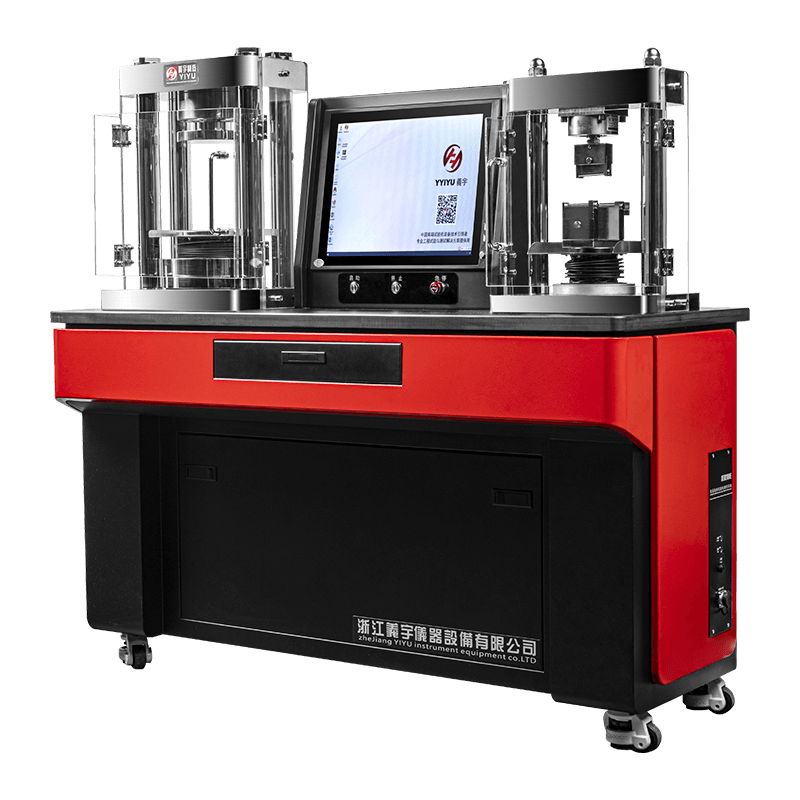
- Single-Space vs. Dual-Space: A dual-space frame has two separate testing areas—one for tension and one for compression. This means you don't have to change heavy grips every time you switch test types. For high-volume labs, this saves hours of labor every week.
- Column Stiffness: High-force testing creates immense energy. A frame with high axial and lateral stiffness ensures that the energy is absorbed by the specimen, not the machine frame, leading to more accurate displacement measurements.
- Hydraulic Grips: For high-capacity testing, manual screw-action grips are often impractical. Integrated hydraulic wedge grips allow the operator to secure specimens with the push of a button, ensuring consistent clamping force and reducing the risk of slippage.
Software and Data Integration
The physical machine is only as good as the data it produces. Modern testing software has transformed how laboratories operate. When evaluating a system, look for the following software capabilities:
- Pre-Configured Standard Libraries: The software should come with built-in templates for ASTM, ISO, DIN, and JIS standards. This ensures that your tests are compliant right out of the box.
- Real-Time Graphing: Being able to see the stress-strain curve develop in real-time helps operators identify specimen flaws or equipment issues immediately.
- Automated Reporting: The ability to export data directly into PDF, Excel, or a LIMS (Laboratory Information Management System) reduces human error in data entry.
- User Safety Limits: Good software allows you to set "soft limits" that stop the machine if it detects an unexpected surge in force, protecting both the sensor and the operator.
Maintenance and Long-Term Reliability
Investing in a Hydraulic Universal Testing Machine is a 15-to-20-year commitment. Therefore, maintenance must be a primary consideration.
- The Power Unit: Is the hydraulic pump quiet? Older models can be incredibly loud, creating an unpleasant lab environment. Look for units with variable-speed drives that only run when needed.
- Filtration and Cooling: Hydraulic oil must stay clean and cool. Ensure the machine has an accessible filtration system and, if necessary, a water or air-cooling system to maintain oil viscosity during long tests.
- Calibration Services: Ensure the manufacturer or a local partner provides annual calibration services traceable to national standards. A machine that isn't calibrated is simply a very expensive paperweight.
Comparison Table: Hydraulic vs. Electromechanical UTM
| Feature |
Hydraulic UTM |
Electromechanical UTM |
| Best For |
High-force (600kN+) |
Low to medium force (<300kN) |
| Testing Speed |
Excellent for high-load static |
Best for slow, precise movement |
| Specimen Types |
Steel, Concrete, Large Cables |
Plastics, Textiles, Small Metals |
| Maintenance |
Requires oil/filter changes |
Requires lead screw lubrication |
| Cost at High Loads |
More cost-effective |
Extremely expensive |
Safety Considerations
Safety is non-negotiable in high-force testing. A 1000kN failure in a steel rebar sample can release a significant amount of kinetic energy, sending shards of metal flying. Your chosen machine should include:
- Protective Shielding: Polycarbonate or mesh enclosures around the test zone.
- Emergency Stop Buttons: Located on both the machine frame and the software console.
- Overload Protection: Mechanical and electronic failsafes to prevent the machine from exceeding its rated capacity.

 简体中文
简体中文
 English
 русский