The aerospace and automotive industries are two sectors where precision, safety, and reliability are of utmost importance. From materials used in the construction of aircraft to the components found in vehicles, the ability to assess the mechanical properties of materials is crucial. This is where electronic universal testing machines (EUTMs) come into play. EUTMs are versatile and precise instruments used to test the mechanical properties of materials and components, making them indispensable tools for both aerospace and automotive industries.
What is an Electronic Universal Testing Machine (EUTM)?
An electronic universal testing machine (EUTM) is a type of testing equipment used to evaluate the mechanical properties of materials, such as tensile strength, compression strength, elongation, and flexibility. These machines are highly versatile, capable of performing a wide range of tests, including tensile tests, compression tests, bending tests, and more. The electronic component of the machine allows for precise control, data acquisition, and analysis, offering more accurate results compared to traditional mechanical testing systems.
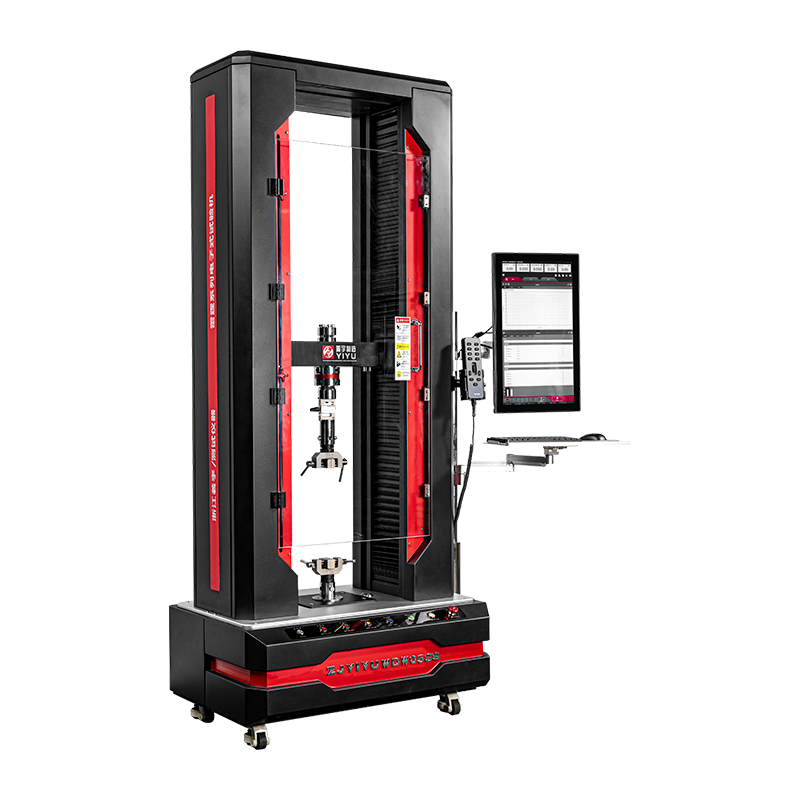
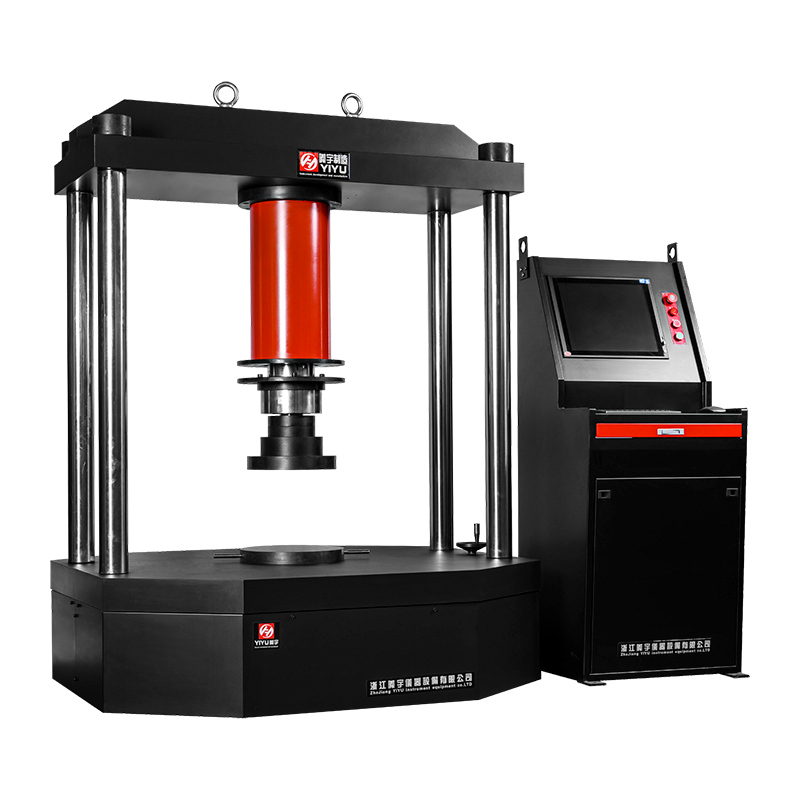
Typically, an EUTM consists of a load frame, sensors, and a digital control system that records the results in real-time. The machine applies a controlled force to a material sample or component and measures how the material responds under stress. This allows engineers and material scientists to determine important material properties such as yield strength, tensile strength, elasticity, and fatigue resistance.
The Importance of Testing in Aerospace and Automotive Industries
In both the aerospace and automotive sectors, materials and components are subjected to harsh conditions that demand extreme performance. Whether it's an aircraft wing enduring high-pressure air flows or a car's braking system exposed to rapid temperature changes, understanding how materials react under different stress conditions is crucial. This is where EUTMs come in.
Both sectors rely on high-quality, durable, and lightweight materials that can withstand extreme mechanical forces without failure. In addition, components must meet strict safety standards to protect users and ensure long-lasting performance. By using EUTMs, engineers can accurately evaluate the properties of materials, ensuring that they are suitable for the intended application and that the products meet industry regulations and standards.
Applications of Electronic Universal Testing Machines in Aerospace
In the aerospace industry, the safety and performance of aircraft depend heavily on the quality and reliability of materials used in construction. Electronic universal testing machines help manufacturers and engineers evaluate the materials and components used in various parts of an aircraft. Below are some key applications of EUTMs in aerospace:
Material Testing for Structural Components
Aircraft are built using a variety of materials, including aluminum alloys, composites, titanium, and high-strength steels. Each of these materials needs to meet specific mechanical properties, such as high tensile strength, fatigue resistance, and impact resistance. EUTMs are used to test these materials under various conditions to ensure that they meet the required standards.
- Tensile Testing: Tensile tests are performed to determine the material's ability to withstand tension without breaking. Materials like titanium alloys, commonly used in aerospace structures, must be tested for tensile strength to ensure they can withstand the forces experienced during flight.
- Fatigue Testing: Aircraft undergo repeated stress cycles during flight, so materials used in their construction must have excellent fatigue resistance. EUTMs can perform cyclic testing to simulate the wear and tear materials will experience over time, helping manufacturers identify weak points before the aircraft goes into service.
- Compression Testing: Structural components, such as fuselage sections and wing spars, must withstand compression forces during flight. Compression tests on materials ensure that they retain their structural integrity under high-pressure conditions.
Testing of Composite Materials
The use of composite materials in the aerospace industry has been increasing due to their high strength-to-weight ratio. Composites, such as carbon fiber reinforced polymer (CFRP), are used in various parts of the aircraft, including wings, fuselages, and engine components. EUTMs are crucial in testing the mechanical properties of these materials, particularly in terms of their tensile strength, stiffness, and resistance to cracking under stress.
EUTMs equipped with specialized grips can perform tests on composite specimens, including measuring interlaminar shear strength, delamination resistance, and flexural strength. These tests ensure that composite materials perform well in the demanding conditions of flight, including rapid pressure changes, temperature fluctuations, and high-speed forces.
Failure Analysis and Quality Control
In addition to testing materials, EUTMs are often used in failure analysis and quality control. If a component fails during flight, aerospace engineers can use testing machines to replicate the conditions under which the failure occurred and determine the exact cause. By understanding the failure mechanisms of materials and components, manufacturers can refine their designs to improve safety and reliability in future aircraft.
Applications of Electronic Universal Testing Machines in the Automotive Industry
The automotive industry also relies heavily on material testing to ensure the safety, performance, and durability of vehicles. Whether it's evaluating the strength of car body materials or testing suspension components for fatigue resistance, EUTMs are essential tools for the industry. Here are some of the key applications of EUTMs in automotive manufacturing:
Tensile and Compression Testing for Vehicle Components
Automobile manufacturers use EUTMs to test a wide range of vehicle components, from body panels to engine parts. Tensile and compression tests help determine the strength and ductility of materials used in critical components.
- Car Body Materials: The body of a vehicle must withstand impact forces in the event of a collision. EUTMs are used to test the tensile and compression strength of materials like steel, aluminum, and advanced composites used in car bodies. These tests ensure that the materials will not fail under crash conditions and that they provide the necessary protection for occupants.
- Suspension Systems: Suspension components, such as springs and shock absorbers, are critical for the safety and comfort of passengers. EUTMs help evaluate the fatigue resistance and flexibility of these parts, ensuring they can endure long-term use without failure.
Testing of Lightweight Materials for Fuel Efficiency
As the automotive industry moves towards lightweighting to improve fuel efficiency and reduce carbon emissions, EUTMs are used to test new materials, such as lightweight alloys and composites. Testing these materials ensures they meet performance and safety standards while still offering weight savings. For example, manufacturers may use EUTMs to evaluate the tensile strength of aluminum alloys used in car chassis, ensuring they provide adequate strength while reducing the overall weight of the vehicle.
Quality Control and Endurance Testing
Automobile components must undergo extensive quality control to ensure that they meet safety regulations and consumer expectations. EUTMs are used in production lines to perform quick and efficient quality checks on various components, ensuring that they conform to specifications before they are installed in vehicles.
Endurance testing is another key application of EUTMs in the automotive industry. For example, components like brake systems, steering systems, and engine mounts are subjected to repeated stress cycles to simulate years of wear and tear. EUTMs can conduct these tests, helping manufacturers identify potential failure points and improve the longevity and reliability of their products.
Benefits of Electronic Universal Testing Machines in Aerospace and Automotive Industries
Both the aerospace and automotive industries benefit greatly from the use of electronic universal testing machines. Below are some of the key advantages:
- Precision and Accuracy: EUTMs provide highly accurate measurements of material properties, allowing engineers to make informed decisions based on precise data. This is particularly important in industries like aerospace, where even small deviations in material strength can have significant consequences.
- Speed and Efficiency: EUTMs automate many testing processes, allowing for quicker data collection and faster decision-making. In high-pressure industries like aerospace and automotive manufacturing, time is a critical factor, and faster testing means faster production timelines.
- Improved Safety: By testing materials and components under controlled conditions, EUTMs help ensure that products meet rigorous safety standards. This is crucial in both aerospace and automotive sectors, where safety is the top priority.
- Cost Savings: By identifying potential weaknesses or failures early in the design process, EUTMs help prevent costly mistakes down the road. Whether it’s identifying a material flaw before it becomes a problem in the field or ensuring that parts meet durability standards, EUTMs help manufacturers avoid expensive recalls and repairs.

 简体中文
简体中文
 English
 русский