The construction industry is one of the most dynamic and critical sectors globally, responsible for building the infrastructure that supports economies and societies. Whether it’s residential buildings, commercial structures, or infrastructure projects like bridges and highways, the materials used must meet rigorous quality, durability, and safety standards. To ensure that construction materials can withstand harsh environmental conditions and the stresses of everyday use, specialized testing machines are employed to evaluate and validate their properties.
Specialized testing machines have become essential tools for the construction industry, enabling manufacturers, contractors, and quality control teams to assess materials' physical properties in real-time. From the strength of concrete to the flexibility of steel, these machines provide reliable data that is crucial for making informed decisions about materials, design, and safety protocols.
Ensuring Material Strength and Durability
The strength and durability of construction materials are paramount, especially in structures that must endure environmental stresses such as heavy loads, extreme temperatures, or moisture. Specialized testing machines are used to assess the compressive strength, tensile strength, and flexural strength of materials, ensuring they can handle the forces and conditions they will be exposed to during their service life.
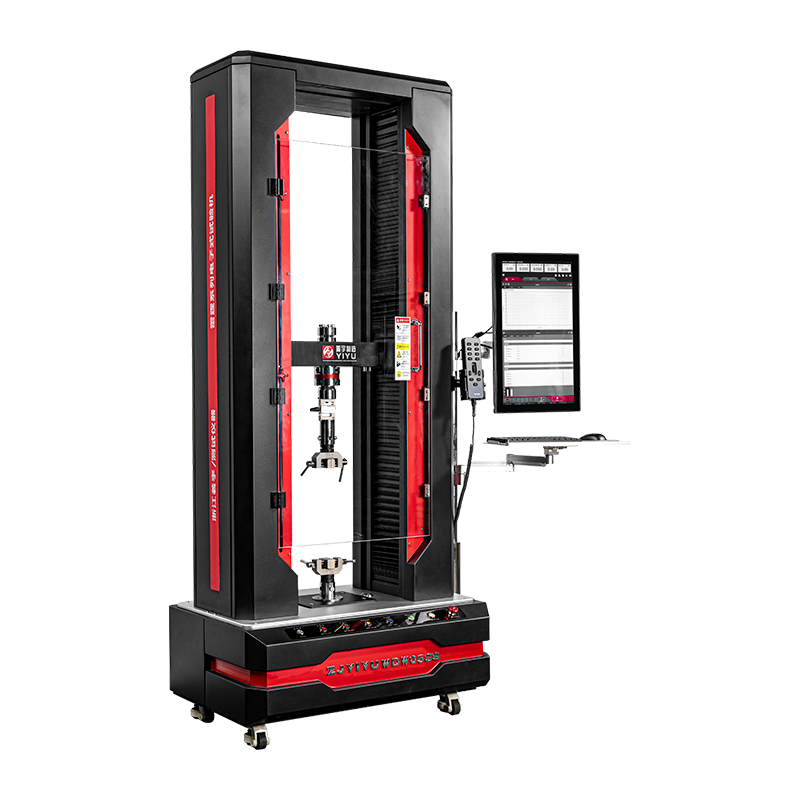
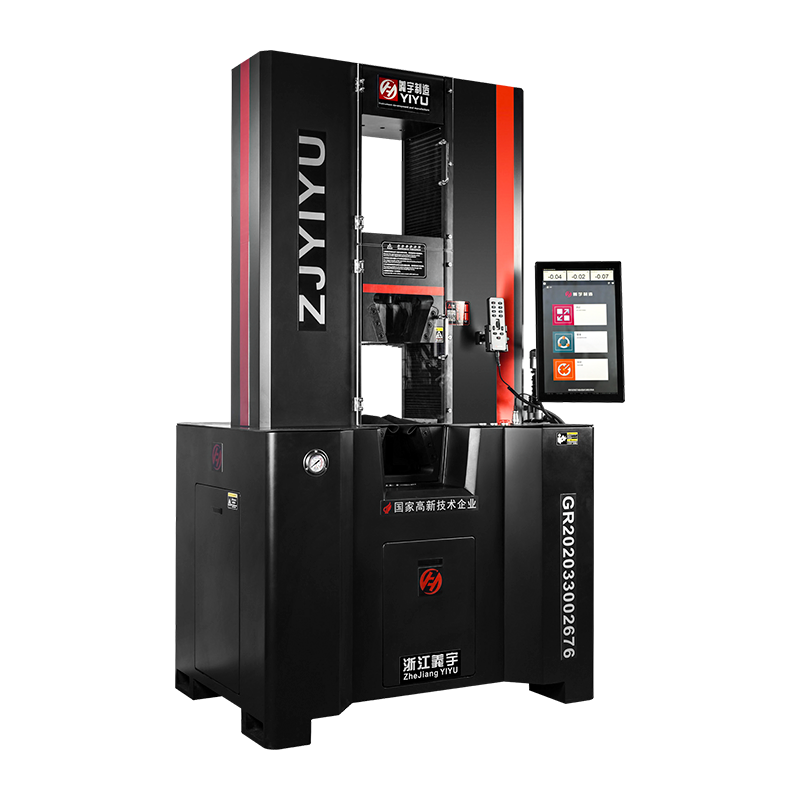
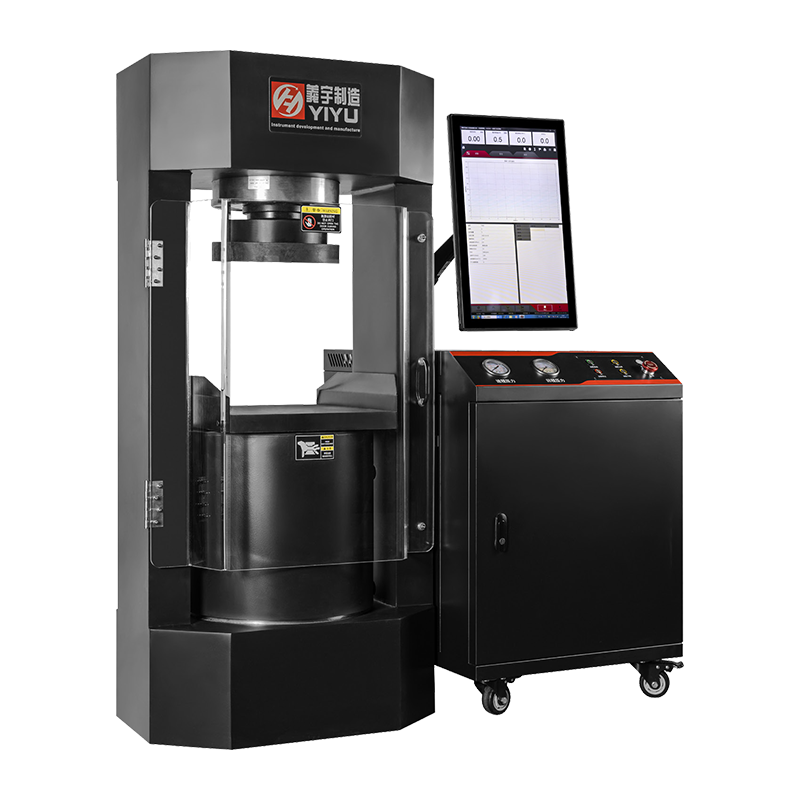
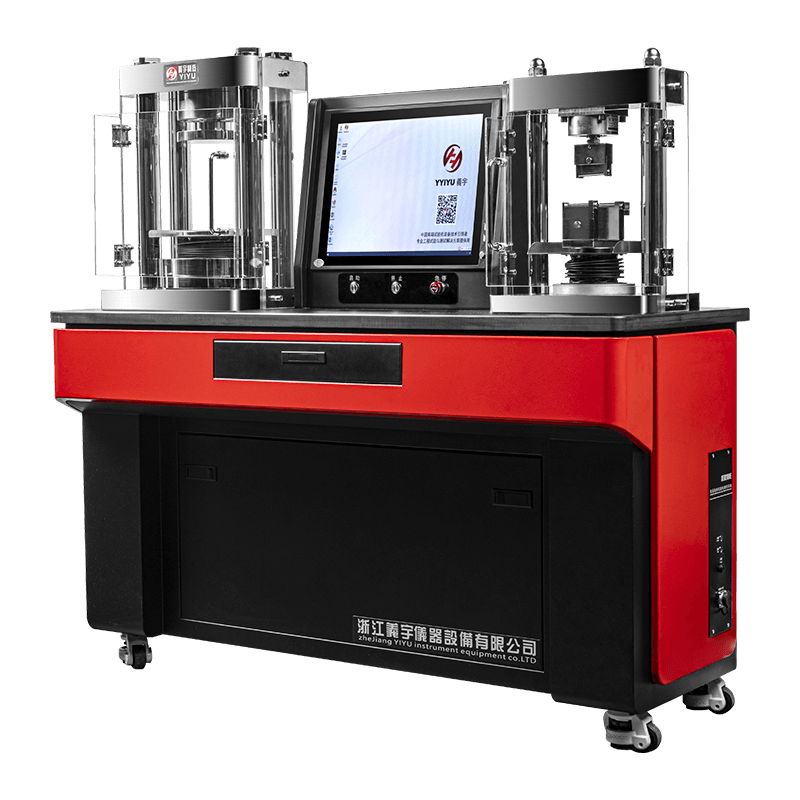
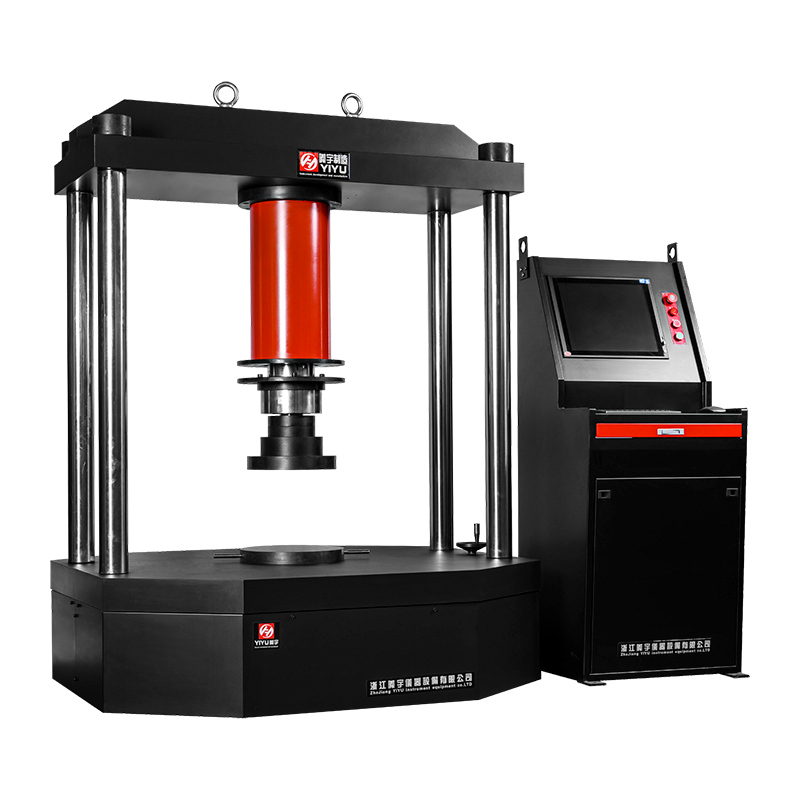
Concrete Testing: Concrete is one of the most commonly used construction materials, and its compressive strength is a critical factor in determining the safety and longevity of a structure. Specialized testing machines, such as universal testing machines (UTMs), are used to apply controlled loads to concrete samples and measure their strength at different curing ages. This ensures that the concrete mix meets the required specifications for the project, helping to prevent structural failures.
Steel and Metal Testing: Steel and other metals used in construction need to meet certain mechanical properties, such as tensile strength, yield strength, and elongation. Hydraulic testing machines and materials testing machines are used to test the behavior of metal components under stress. These machines apply loads to materials like steel beams, rebar, and steel plates, simulating real-world conditions to ensure that the metal will hold up under the weight of the structure.
Durability Testing: Specialized testing machines also simulate harsh environmental conditions to evaluate material durability. Salt spray testing and accelerated weathering tests are conducted on materials like concrete, steel, and coatings to determine how well they resist corrosion, wear, and other forms of degradation over time. These tests help ensure that materials will maintain their strength and integrity throughout the lifespan of the building.
Evaluating Flexibility and Resilience
While strength is essential, flexibility and resilience are also critical factors for construction materials. Materials need to be able to withstand stress without cracking or breaking under sudden forces such as seismic activity, wind, or traffic loads.
Seismic Testing: In earthquake-prone areas, seismic resistance is a vital characteristic of construction materials. Specialized testing machines, including shakers and dynamic testing rigs, simulate the effects of seismic forces on materials and structures. These tests ensure that materials used in buildings, bridges, and other critical infrastructure are flexible enough to absorb shocks without failing.
Impact Testing: Construction materials must also withstand impact from vehicles, equipment, and other forces. Impact testing machines are used to simulate sudden forces applied to materials such as concrete, metal, and asphalt, evaluating how well they resist fracture or deformation. This is particularly important for materials used in roadways, bridges, and high-traffic areas where impacts are likely.
Quality Control in Large-Scale Production
In large construction projects, ensuring that materials meet quality standards across a vast quantity of supplies is essential. Specialized testing machines play a significant role in the quality control process, helping manufacturers and suppliers produce consistent, high-quality materials.
Batch Testing: For materials like concrete and asphalt, batch testing is essential to ensure consistency between different loads or deliveries. Testing machines are used to perform tests on sample batches to verify that the materials meet the necessary standards. For example, concrete is often tested for its slump (workability) and compressive strength before being used in construction projects. This ensures that every batch of concrete used in a structure has the same level of quality and performance.
Automated Testing Systems: Automated systems in specialized testing machines can conduct tests on a continuous flow of materials, such as aggregates and sand. This improves the efficiency of testing and reduces human error. Automated machines can test materials during production, enabling manufacturers to identify any inconsistencies or defects before materials reach construction sites.
Environmental and Sustainability Testing
As the construction industry places increasing emphasis on sustainability and eco-friendly building practices, specialized testing machines are essential for evaluating the environmental impact and sustainability of materials.
Recycled Material Testing: Many construction projects are now incorporating recycled materials into their designs, such as recycled concrete or sustainable composites. Specialized testing machines are used to evaluate how well these materials perform compared to traditional materials. Recycled aggregates and sustainable concrete mixtures are tested for strength, durability, and resistance to wear, ensuring they meet industry standards without compromising quality.
Energy Efficiency Testing: Specialized machines are also used to assess the energy efficiency of construction materials, particularly insulation materials. Thermal conductivity testing machines measure how well materials like insulation panels, roofing materials, and wall coatings resist heat transfer. This is crucial for designing energy-efficient buildings that reduce heating and cooling costs and minimize environmental impact.
Waste Reduction: Construction testing machines can also assess the waste management potential of materials. For example, compression testing can evaluate how well materials such as compacted earth blocks or recycled plastics hold up under pressure. This enables construction firms to use more eco-friendly alternatives while ensuring the longevity and safety of their structures.
Ensuring Compliance with Regulatory Standards
The construction industry is governed by a variety of national and international standards, including building codes, safety regulations, and material specifications. Specialized testing machines are used to verify that construction materials comply with these standards.
Certification of Materials: Materials such as steel, concrete, and wood must meet certain quality and performance criteria before they can be used in construction. Specialized testing machines perform the necessary tests to certify that materials meet the required standards set by organizations like the American Concrete Institute (ACI), ASTM International, and ISO. This ensures that the materials meet all necessary safety and performance criteria.
Regulatory Testing: Government agencies often require third-party testing of construction materials to ensure they meet regulatory standards. Specialized testing machines are used by accredited laboratories to conduct these independent tests, providing verification that materials are safe and up to code.
Improving Construction Efficiency and Reducing Costs
By ensuring that materials meet the necessary performance standards, specialized testing machines contribute to reducing waste and optimizing construction efficiency. By identifying potential material failures early in the project, these machines help avoid costly delays and rework.
Minimizing Material Failures: Early testing allows construction companies to identify and correct problems with materials before they are used in construction. For example, testing concrete strength before it is poured into foundations can prevent cracks and structural failures that would require costly repairs down the line.
Optimizing Material Use: Specialized testing helps manufacturers and construction firms determine the most cost-effective materials to use, ensuring that they are not overpaying for materials that don’t meet the project’s needs. It also helps avoid using substandard materials that may lead to premature failure or structural issues in the future.

 简体中文
简体中文
 English
 русский