In today’s fast-paced manufacturing industry, the need for precise and reliable quality control processes is more critical than ever. Ensuring that materials and finished products meet stringent quality standards is essential for maintaining consumer trust, safety, and regulatory compliance. One key tool that plays a vital role in this process is the Hydraulic Universal Testing Machine (HUTM). These versatile machines are crucial for testing the mechanical properties of materials, helping manufacturers assess their strength, durability, and overall performance.
What is a Hydraulic Universal Testing Machine?
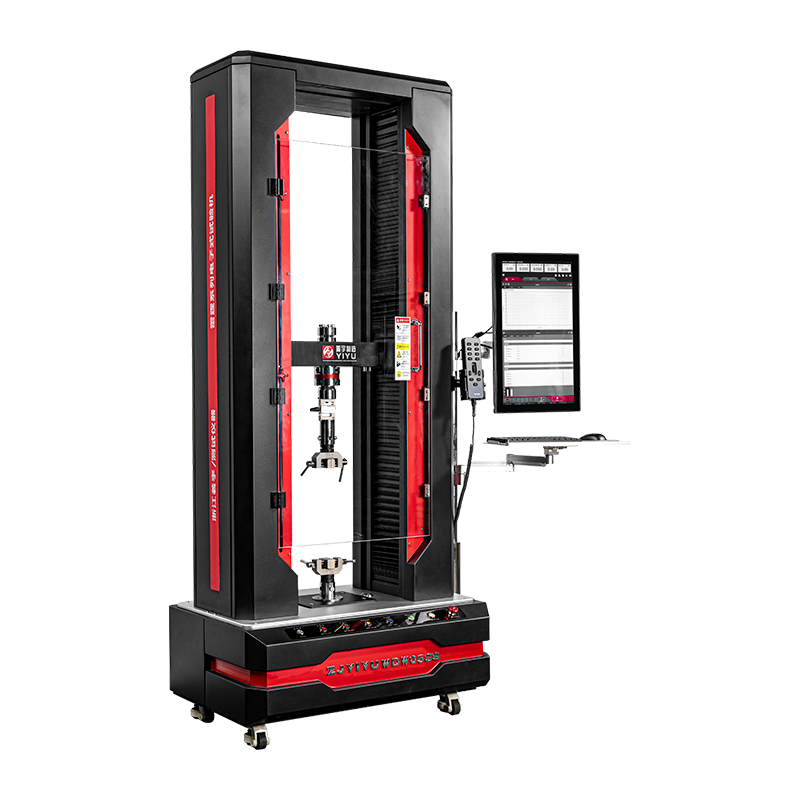
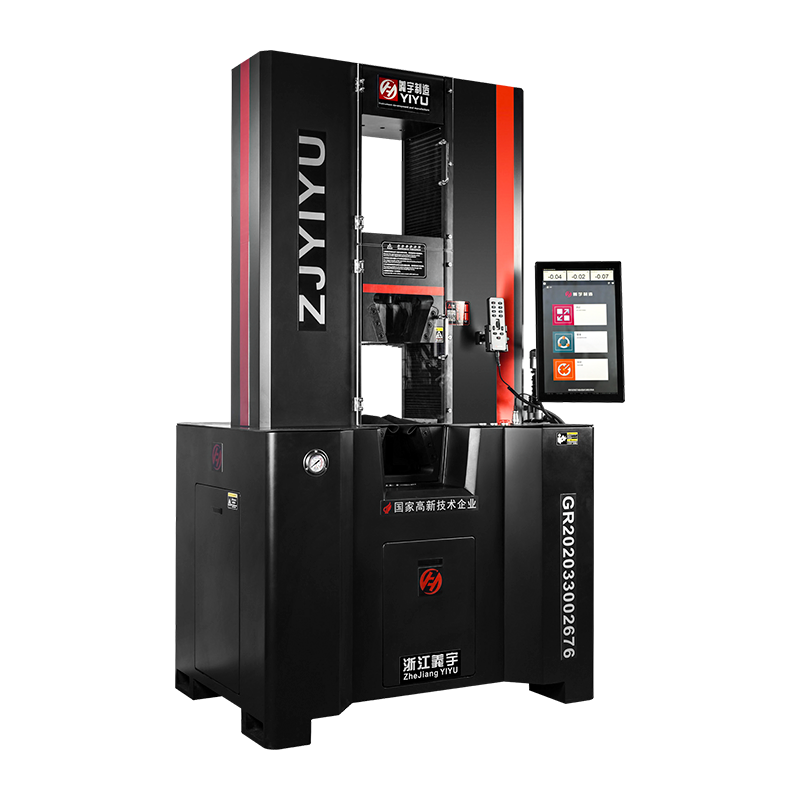
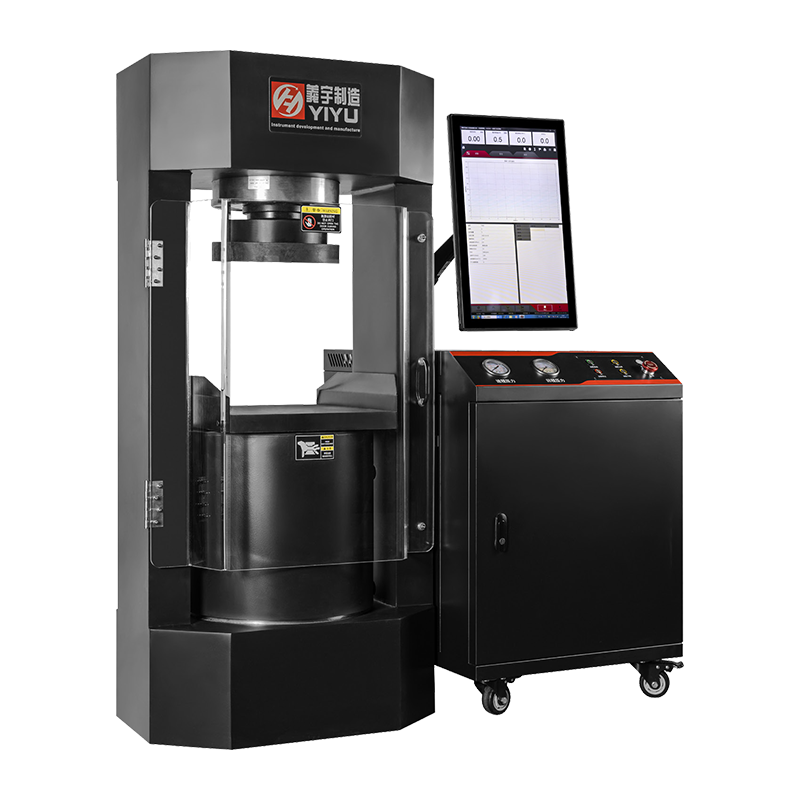
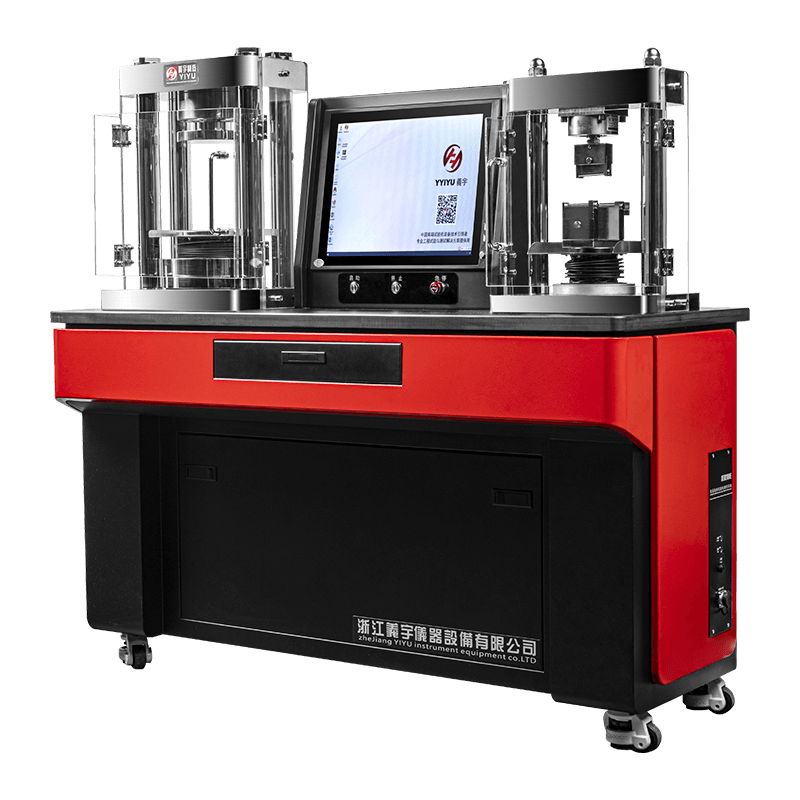
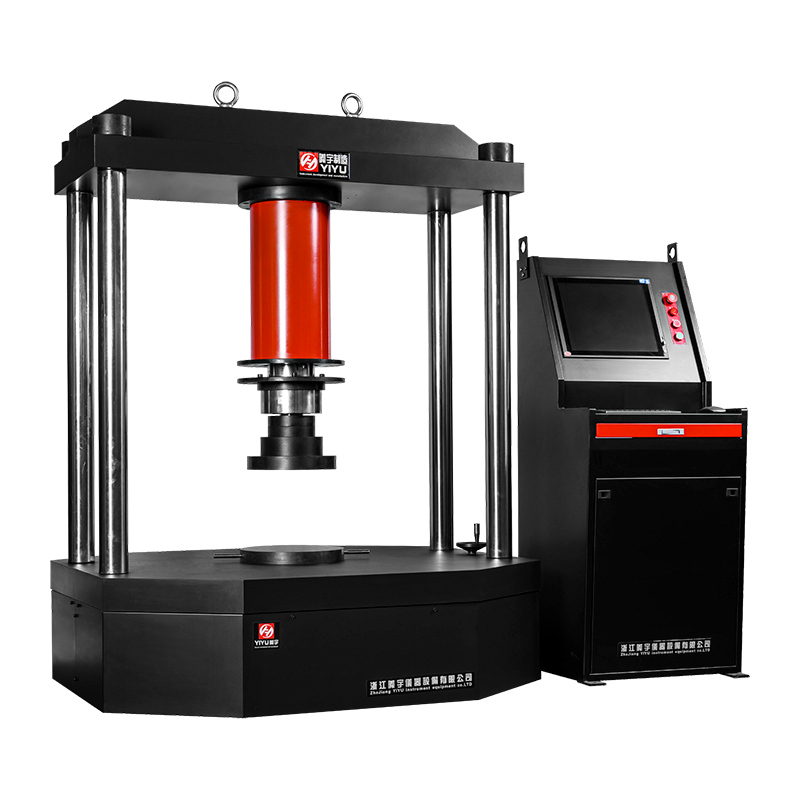
A Hydraulic Universal Testing Machine is an advanced piece of equipment used to test the mechanical properties of materials by applying controlled force. The machine is called “universal” because it can test a wide range of materials under various conditions, making it a flexible solution for quality control.
These machines work by applying both tensile (pulling) and compression (pressing) forces to materials, measuring how they respond to stress, strain, and deformation. The hydraulic system generates the necessary force, which can be precisely controlled to simulate real-world conditions. The machine then records the material's behavior under these forces, providing valuable data such as tensile strength, compressive strength, yield strength, and elasticity.
Hydraulic universal testing machines are typically equipped with a digital interface that displays the results and can also provide detailed graphs and data for further analysis. The versatility of HUTMs makes them indispensable in industries that require the testing of different materials, such as metals, polymers, composites, and ceramics.
Key Advantages of Hydraulic Universal Testing Machines
Hydraulic universal testing machines offer several advantages that make them indispensable tools in the manufacturing industry. Let’s take a closer look at some of the key benefits:
Precise and Consistent Testing
One of the primary benefits of hydraulic universal testing machines is their ability to perform precise and repeatable tests. The hydraulic system allows for accurate control over the amount of force applied to the material, enabling manufacturers to obtain highly reliable test results. The consistency of the testing process ensures that manufacturers can make informed decisions about material suitability and product quality, reducing the risk of defects and failures in the final product.
Wide Range of Testing Capabilities
Hydraulic universal testing machines are extremely versatile and can conduct a variety of tests, including:
- Tensile Tests: These tests measure a material’s ability to withstand pulling forces, determining its tensile strength and elongation properties.
- Compression Tests: These tests evaluate how materials respond to compressive forces, which is essential for products subjected to weight or load, such as concrete, metals, and plastics.
- Flexural Tests: These tests measure the bending strength of materials, which is important for products like beams, slabs, and other structural components.
- Shear Tests: These tests assess a material's ability to resist forces that cause sliding between its layers.
- Fatigue Tests: These tests determine a material's durability under repeated loading, simulating real-world conditions where materials undergo cyclic stress.
With this broad testing range, hydraulic universal testing machines provide manufacturers with a comprehensive understanding of material performance under different conditions.
High Load Capacity
Hydraulic systems are well-known for their ability to generate high forces, making hydraulic universal testing machines capable of testing materials with high load-bearing capacities. These machines can test materials that require significant force, such as metals, steel alloys, and composites, which is crucial for industries like aerospace, automotive, and construction.
Moreover, the hydraulic system can be adjusted to deliver different force levels, which provides more flexibility in testing a variety of materials with varying strength requirements.
Automated and Efficient Data Collection
Modern hydraulic universal testing machines come equipped with digital interfaces and automated data collection features. This automation ensures that data is recorded consistently and accurately, reducing human error and the time spent on manual calculations. The results can be instantly analyzed and saved for future reference, facilitating faster decision-making and improving the overall efficiency of the manufacturing process.
Additionally, the machine’s software can generate detailed reports and graphs that provide insights into the material’s behavior, making it easier for manufacturers to analyze and interpret the results.
Why Hydraulic Universal Testing Machines Are Essential for Quality Control
In manufacturing, quality control is a critical component that ensures products meet both safety standards and customer expectations. Hydraulic universal testing machines play a vital role in this process by offering the following benefits:
Ensuring Material Integrity
The primary purpose of quality control is to ensure that products are made from high-quality materials that will perform well under real-world conditions. Hydraulic universal testing machines help manufacturers evaluate the structural integrity of raw materials before they are used in production. By assessing the mechanical properties of materials, such as strength, elasticity, and ductility, manufacturers can ensure that only the most suitable materials are used in the production of their goods.
For instance, in the automotive industry, testing the tensile strength of metals used in car bodies is crucial to ensure that they can withstand forces during a collision. Similarly, in construction, testing the compressive strength of concrete ensures that the structures will be safe and durable over time.
Meeting Industry Standards and Regulations
Many industries are subject to strict regulations and industry standards that specify the mechanical properties of materials used in manufacturing. Hydraulic universal testing machines enable manufacturers to perform the necessary tests to comply with these standards. Whether it’s ASTM, ISO, or other regulatory frameworks, HUTMs provide accurate data to demonstrate compliance with quality benchmarks.
For example, in the pharmaceutical packaging industry, the strength of materials used for packaging medical devices or medicines must meet specific standards to ensure that the packaging protects the contents from damage and contamination.
Reducing Waste and Improving Product Quality
By testing materials thoroughly before they are used in production, manufacturers can detect any weaknesses or defects early on. This early identification helps to reduce waste by preventing subpar materials from being used in the manufacturing process, which in turn improves overall product quality.
Moreover, testing the final product using hydraulic universal testing machines ensures that it meets the required specifications. This proactive approach to quality control prevents costly recalls and enhances the brand’s reputation for producing reliable and durable products.
Optimizing Material Selection
With hydraulic universal testing machines, manufacturers have the ability to test different materials under various conditions, enabling them to make informed decisions about which materials are best suited for specific applications. This flexibility in material testing helps manufacturers optimize their material selection, ensuring that they use the most appropriate and cost-effective materials for their products.
For instance, in the aerospace industry, where weight reduction is crucial, manufacturers can use testing machines to assess the strength-to-weight ratio of different materials, ensuring they select the optimal material for lightweight yet strong components.
Preventing Failures and Enhancing Durability
By identifying potential weaknesses and understanding how materials behave under stress, hydraulic universal testing machines help prevent material failures in the field. Whether it’s a structural component in a building, a part in a vehicle, or a piece of machinery, the testing ensures that products will perform optimally throughout their intended lifespan.
The ability to simulate real-world conditions and evaluate material behavior under various forces is key to improving product durability and preventing unexpected failures.
Applications of Hydraulic Universal Testing Machines
Hydraulic universal testing machines are used across a wide range of industries to test materials and finished products. Some common applications include:
- Automotive Industry: Testing the tensile and fatigue strength of metals used in vehicles to ensure safety and performance.
- Construction: Testing concrete, steel, and other building materials for strength and durability in construction projects.
- Aerospace: Evaluating the strength, elasticity, and fatigue resistance of materials used in aircraft and spacecraft components.
- Manufacturing: Ensuring that raw materials, such as polymers, metals, and composites, meet quality standards before being used in production.
- Research and Development: Testing innovative materials to determine their suitability for new applications and improving existing material properties.

 简体中文
简体中文
 English
 русский