What Is a Compression & Flexure Integrated Machine? The Direct Answer
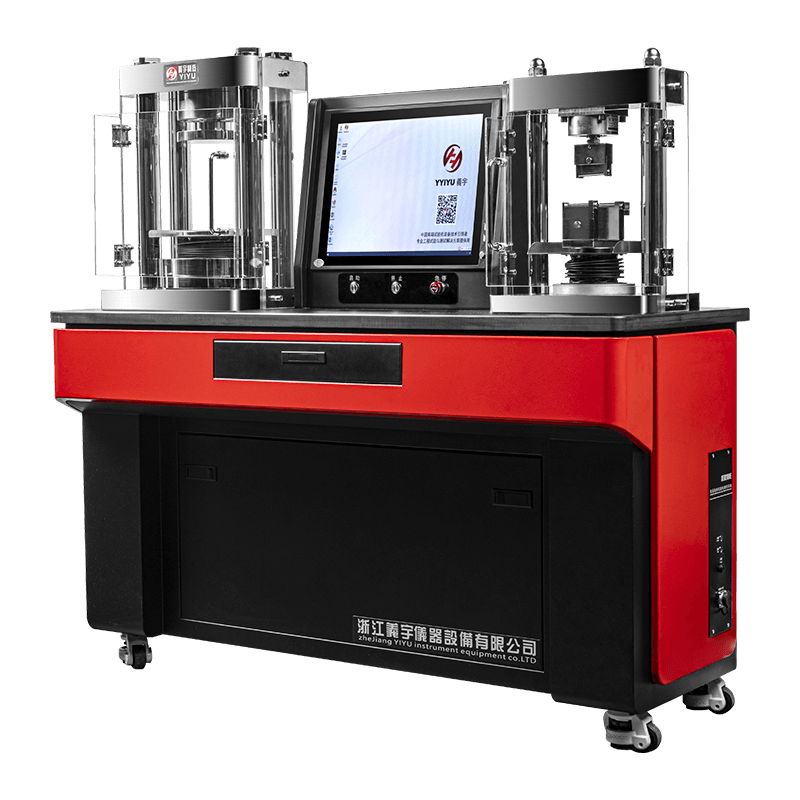
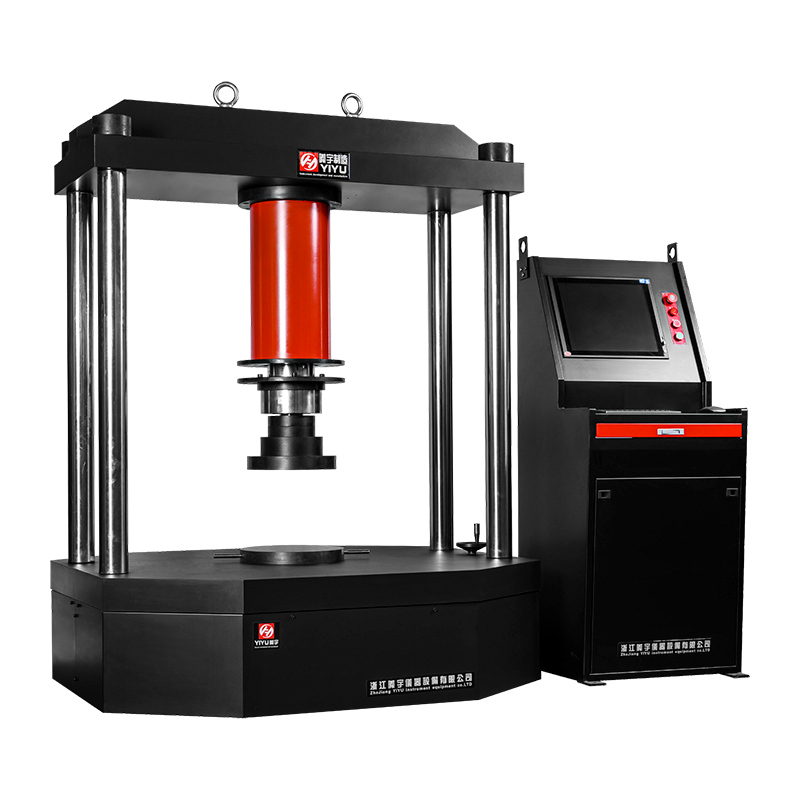
A compression and flexure integrated machine is a single testing instrument that performs both compressive strength tests and flexural (bending) strength tests on construction materials such as concrete cubes, cylinders, cement mortar, and beams, without needing two separate machines. The integration works because both tests rely on the same hydraulic loading frame, with the compression platens and flexure fixture simply swapped or repositioned on the same load path.
In practical terms, if your lab tests both cube/cylinder compression strength and beam flexural strength on a regular basis, an integrated machine saves floor space, reduces equipment cost by roughly 30-45% compared to buying two standalone machines, and cuts calibration overhead because only one load cell and one frame need certification.
Why Combine Compression and Flexure Testing in One Machine
Compression and flexure tests measure different mechanical properties, but they share the same underlying requirement: applying a precisely controlled, steadily increasing load and recording the failure point. This shared mechanism is what makes integration practical rather than forcing two separate hydraulic systems.
- Shared hydraulic frame: one pump, ram, and load cell deliver the force for both tests, eliminating duplicate hydraulic components.
- Lower floor space requirement: a single integrated unit typically occupies 1.5-2 square meters less lab space than two standalone machines.
- Single calibration point: only one load measuring system requires periodic calibration and certification, reducing annual compliance costs.
- Faster changeover: swapping from compression platens to a flexure jig typically takes under 10 minutes on a well-designed integrated frame.
Key Components of an Integrated Machine
Loading Frame and Hydraulic Ram
The frame is a rigid steel structure that resists deflection under load. The hydraulic ram applies axial force through a pump system, typically capable of generating loads from 500 kN up to 3,000 kN, depending on the machine's intended capacity class.
Compression Platens
Hardened steel platens sit at the top and bottom of the test space and distribute load evenly across a cube or cylinder specimen during compression testing. Platen flatness and parallelism tolerances are tightly controlled, usually within 0.03 mm, since uneven platens cause inaccurate or premature failure readings.
Flexure Testing Attachment
A separate jig with adjustable support rollers and loading rollers replaces the compression platens for beam testing. This attachment applies either two-point or three-point loading, depending on the test standard being followed.
Digital Control and Readout System
Modern integrated machines use a digital load cell and microprocessor display to show load, stress, and rate of loading in real time, with many models offering automatic data logging and printed test reports.
How the Testing Process Works
Both test types follow a controlled loading sequence, but the specimen setup and failure mode differ significantly between the two.
Compression Test Procedure
- Place the cube or cylinder specimen centrally between the compression platens.
- Apply load at a controlled rate, typically 0.2-0.4 MPa per second for concrete cubes per most standards.
- Increase load steadily until the specimen fails, recording the maximum load reached.
- Calculate compressive strength by dividing the failure load by the specimen's cross-sectional area.
Flexure Test Procedure
- Position the beam specimen on the support rollers, typically spanning 300-600 mm depending on beam size.
- Align the loading rollers at the third points (for third-point loading) or center point (for center-point loading) of the span.
- Apply load steadily until the beam cracks and fails in bending.
- Calculate flexural strength (modulus of rupture) using the failure load, span length, and beam cross-section dimensions.
Standards Governing Compression and Flexure Testing
Integrated machines must comply with recognized testing standards to produce results accepted by regulatory bodies, contractors, and certification agencies.
Common international standards applicable to compression and flexure testing machines
| Standard |
Region |
Covers |
| ASTM C39 / C78 |
United States |
Cylinder compression and beam flexure testing |
| EN 12390-3 / EN 12390-5 |
Europe |
Cube/cylinder compression and flexural strength |
| IS 516 |
India |
Compressive and flexural strength of concrete |
| BS 1881 |
United Kingdom |
Testing methods for concrete strength |
Before purchasing, buyers should confirm the machine's load accuracy is certified to within ±1% of indicated load, which is the tolerance required by most of these standards for valid test results.
Capacity Classes and Typical Applications
Integrated machines are manufactured in several capacity ranges to match different specimen sizes and material strengths.
Common capacity classes for compression and flexure integrated machines and their applications
| Capacity Range |
Typical Specimen |
Common Setting |
| 500-1,000 kN |
Cement mortar cubes, small concrete cubes |
Site labs, small QC labs |
| 1,000-2,000 kN |
150 mm concrete cubes, standard beams |
University and contractor labs |
| 2,000-3,000 kN |
High-strength concrete, large beams, cylinders |
Government and research labs |
Manual, Semi-Automatic, and Fully Automatic Models
Integrated machines are sold in three control levels, each suited to a different testing volume and budget.
- Manual machines: the operator controls the loading rate by hand using a valve, suitable for labs running fewer than 20 tests per day where cost is the priority.
- Semi-automatic machines: a digital controller maintains a constant loading rate automatically while the operator still loads and unloads specimens manually.
- Fully automatic machines: software controls loading rate, detects failure, records peak load, and generates a digital report without operator intervention, reducing human error and improving repeatability for labs running 50+ tests daily.
Integrated Machines vs Two Separate Machines
Labs deciding between an integrated unit and two dedicated machines should weigh flexibility against efficiency.
Comparison between integrated machines and separate compression and flexure testing machines
| Factor |
Integrated Machine |
Two Separate Machines |
| Floor space |
Lower, single footprint |
Higher, two footprints |
| Upfront cost |
30-45% lower |
Higher combined cost |
| Simultaneous testing |
Not possible, one test at a time |
Possible, both tests run in parallel |
| Changeover time |
5-10 minutes per switch |
None required |
| Best suited for |
Low to moderate daily test volume |
High-volume labs needing parallel testing |
Industries and Facilities That Use These Machines
Construction Quality Control Labs
Site and central QC labs use integrated machines to verify that concrete batches meet specified strength grades before structural elements are approved for use.
Cement and Ready-Mix Concrete Manufacturers
Producers test cement mortar cubes and concrete samples from every batch to maintain consistent product quality and meet contractual strength guarantees.
Civil Engineering Research and Universities
Academic and research labs use integrated machines for studying new concrete mix designs, fiber-reinforced materials, and alternative binders where both compressive and flexural performance must be evaluated.
Government Infrastructure Agencies
Transportation and public works departments rely on these machines to certify materials used in roads, bridges, and public buildings against national construction codes.
Calibration and Maintenance Requirements
Accurate test results depend entirely on regular calibration and upkeep, since a drifting load cell can silently produce incorrect strength readings.
- Calibrate the load cell and pressure gauge at least once every 12 months, or more frequently for high-volume labs, using a certified proving ring or reference load cell.
- Check platen flatness and parallelism regularly, since worn platens can cause uneven load distribution and inaccurate failure readings.
- Inspect hydraulic oil levels and seals monthly to prevent pressure loss or inconsistent loading rates.
- Clean flexure rollers after each test to prevent debris buildup that can skew support conditions.
- Keep a maintenance log documenting calibration dates and any repairs, which is often required for lab accreditation audits.
How to Choose the Right Machine for Your Lab
- Determine your typical specimen types and sizes first, since this dictates the required load capacity and platen dimensions.
- Estimate your daily test volume; labs running more than 50 tests per day should prioritize fully automatic models to reduce labor and improve consistency.
- Confirm the machine carries calibration certification matching the standard your projects require, such as ASTM, EN, or IS.
- Check whether the flexure attachment supports both two-point and three-point loading configurations for testing flexibility.
- Ask about after-sales support and spare parts availability, since hydraulic seals and load cells are the components most likely to need replacement over the machine's service life.

 简体中文
简体中文
 English
 русский