In the realm of industrial applications, the safety of workers, equipment, and materials is paramount. One critical tool that plays a significant role in ensuring safety across various industries is the compression testing machine. These machines are designed to evaluate the strength, durability, and structural integrity of materials by subjecting them to compressive forces. Whether in construction, manufacturing, or aerospace, compression testing machines are vital for ensuring that materials can withstand the conditions they will face during real-world usage, thereby preventing accidents, failures, and costly mistakes.
What is a Compression Testing Machine?
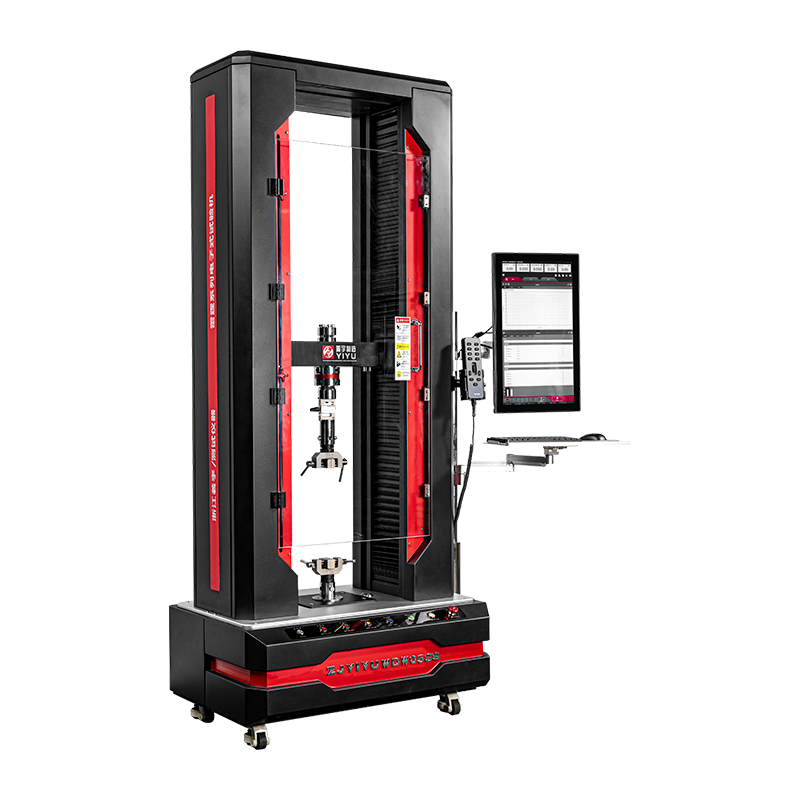
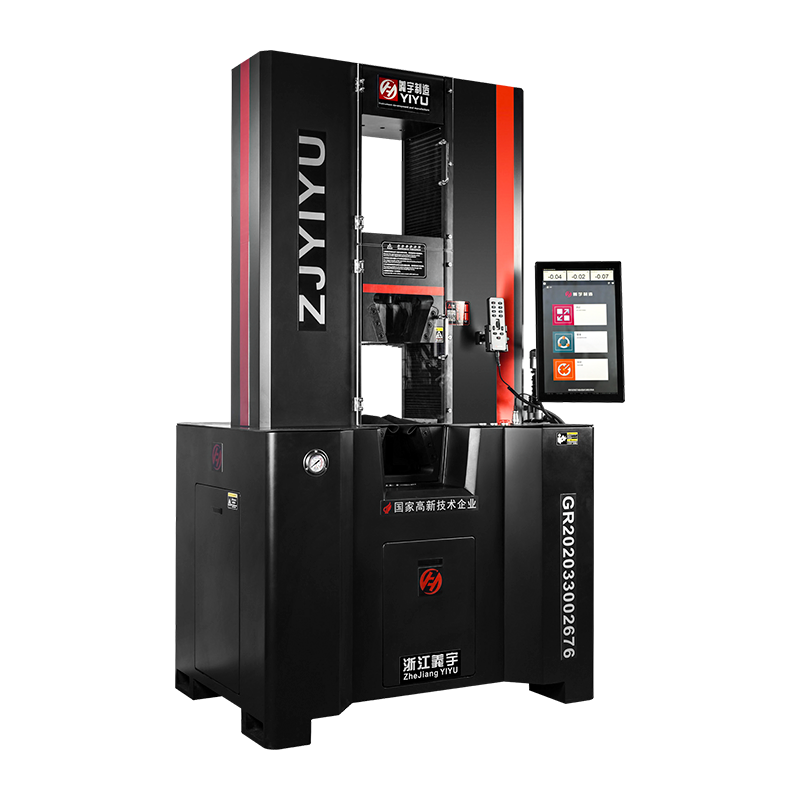
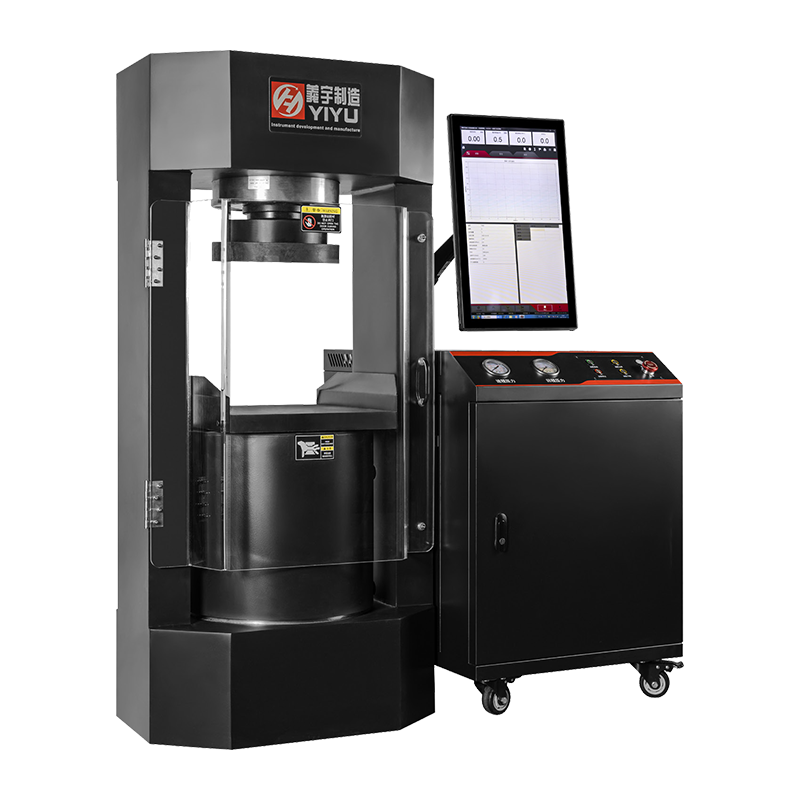
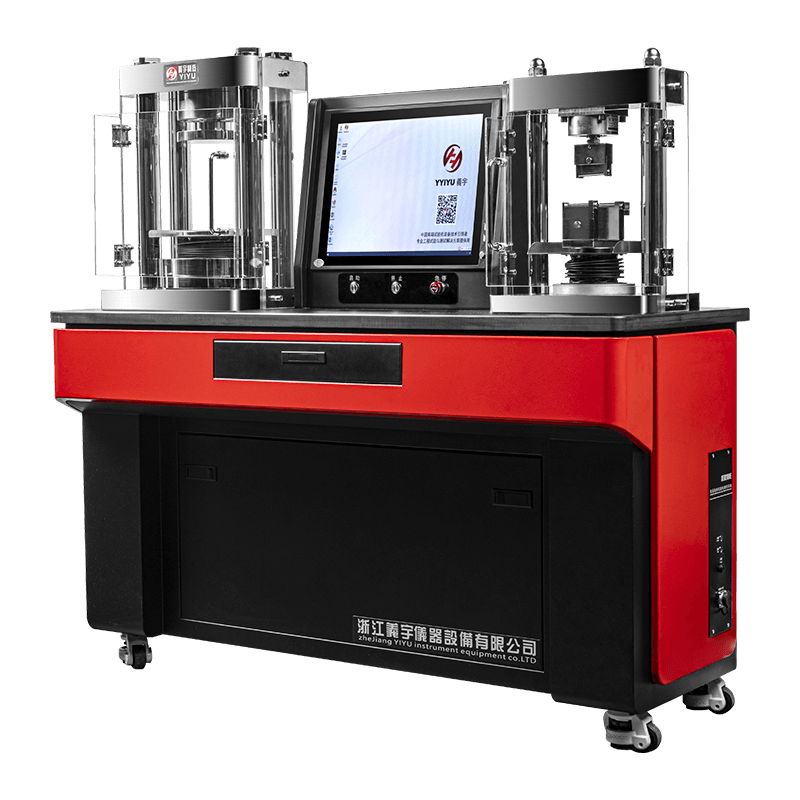
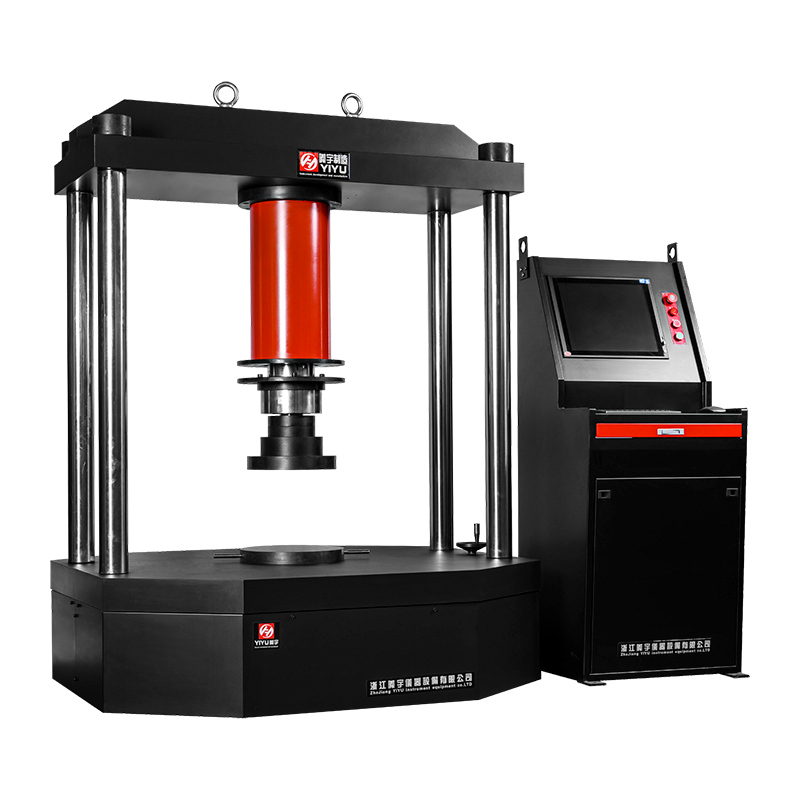
A compression testing machine is a device used to apply a controlled compressive force to a material, typically in the form of a sample or component. The machine measures how much force the material can withstand before it deforms, fractures, or fails. The results are essential for understanding the material's performance under stress, which is crucial for ensuring safety and reliability.
There are two main types of compression testing machines:
Universal Testing Machines (UTM): These machines can perform a variety of tests, including compression, tension, and bending. They are versatile and used for testing different materials.
Dedicated Compression Testing Machines: These are specialized machines focused solely on compression tests and are ideal for materials that are primarily subjected to compressive forces, such as concrete, metals, and plastics.
Ensuring Material Integrity and Durability
One of the most important functions of compression testing machines is to assess the structural integrity of materials. In industrial applications, materials such as concrete, metals, polymers, and composites are used for various purposes—each subject to different mechanical stresses.
Construction Industry: For buildings, bridges, and other infrastructure, materials like concrete and steel must be able to endure both the weight they carry and external environmental pressures. Compression testing is vital in determining whether the concrete mix has the right strength to bear the load. Without proper testing, an insufficiently strong material could lead to building collapse, putting lives at risk.
Manufacturing and Automotive: In the manufacturing of parts for vehicles and machinery, components are often exposed to compressive forces. If materials fail under these conditions, it could lead to machinery breakdowns or accidents on the factory floor. By conducting compression tests, manufacturers can identify weak points in materials, ensuring they meet required safety standards.
Aerospace and Defense: In high-stakes industries like aerospace, material failure can have catastrophic consequences. Compression testing is crucial for ensuring that materials used in aircraft and spacecraft are capable of withstanding extreme pressure and environmental stress without compromising safety.
Preventing Equipment Failures and Downtime
Industries rely on machinery and equipment to carry out daily operations. When these machines are subjected to unexpected forces or wear and tear, they can malfunction, leading to costly repairs or even dangerous failures. Compression testing machines help in preventing such situations by thoroughly testing materials and components before they are used in critical applications.
Heavy Machinery: Parts like bearings, hydraulic systems, and structural frames must endure significant compressive forces without failing. Compression testing helps manufacturers determine the load-bearing capacity of these components, preventing potential malfunctions or breakdowns during operation.
Oil & Gas Industry: In this high-risk sector, the materials used in drilling rigs and pipelines must be tested rigorously for compressive strength to withstand extreme pressures from the ground and harsh environmental conditions. Compression tests are essential to ensure that equipment does not break under pressure, potentially leading to oil spills, gas leaks, or accidents.
Energy and Power Generation: Power plants and energy facilities rely heavily on materials that must withstand extreme pressure and temperature fluctuations. Compressibility tests on materials used in boilers, reactors, and turbines ensure they can endure without causing system failures or safety hazards.
Meeting Regulatory Standards and Compliance
Industrial applications are subject to stringent regulations and safety standards that ensure materials and products are fit for use. Compression testing machines are integral in verifying compliance with these standards, which often require that materials meet specific strength, durability, and safety criteria.
Building Codes: In construction, building codes specify the minimum strength requirements for materials like concrete, steel, and masonry. Compression testing helps confirm that these materials meet local and international standards before they are used in construction projects. Failure to comply with these standards could result in building failures or unsafe structures.
Automotive Safety Regulations: For the automotive industry, manufacturers must ensure that every part can withstand compressive forces in various scenarios (e.g., crash tests, tire pressures). Compression testing machines help ensure that each component meets the required safety thresholds, reducing the likelihood of accidents caused by weak or defective parts.
Quality Control: Manufacturers across all industries use compression testing machines to ensure that their products meet specific performance standards. For example, compression testing of packaging materials ensures that products are protected during transit and handling. Non-compliance with these standards could lead to product defects or recalls, creating safety risks for consumers.
Improving Worker Safety
Industrial workers are often exposed to the potential risks of equipment malfunction, material failure, or structural collapse. By ensuring that materials and components can withstand expected pressures, compression testing machines help mitigate risks and improve overall worker safety.
Reducing Workplace Accidents: By testing materials for their compressive strength, industries can identify potential weak points in machinery, infrastructure, and construction. This helps eliminate the possibility of catastrophic failures that could lead to worker injuries, such as structural collapse or equipment failure.
Safe Working Conditions: In environments where workers rely on machinery or materials that are subjected to compressive forces (e.g., construction sites, manufacturing plants), the integrity of those materials directly impacts the safety of workers. By ensuring that all materials pass rigorous compression tests, employers can provide a safer working environment.
Ensuring Product Performance Under Load
Compression testing not only assesses the immediate safety of materials but also their long-term performance. Many materials and components must maintain their strength and performance over time under sustained load. Compression testing machines help simulate the real-world conditions these materials will face, providing insights into their long-term behavior.
Product Lifecycle Testing: For products like packaging, cushions, or shock absorbers, compression tests are used to simulate the stresses they will endure during their lifecycle. For example, packaging materials must withstand compression during storage and transit without breaking or losing their protective properties. By testing them beforehand, manufacturers can ensure that their products will perform as expected.
Ensuring Long-Term Structural Stability: For infrastructure projects like bridges, tunnels, and highways, materials need to maintain their strength and durability over decades of use. Compression testing helps engineers understand how materials will react under constant load, enabling them to design structures that will remain stable and safe for the long term.

 简体中文
简体中文
 English
 русский