In today’s competitive market, manufacturers are constantly striving to produce durable and reliable products. Whether in the automotive, aerospace, construction, or electronics industries, product durability is a critical factor that directly impacts customer satisfaction and brand reputation. One of the most effective tools to assess and enhance product durability is the Electronic Universal Testing Machine. This advanced testing equipment plays a significant role in evaluating the strength, flexibility, and longevity of materials and products under various conditions.
What Are Electronic Universal Testing Machines?
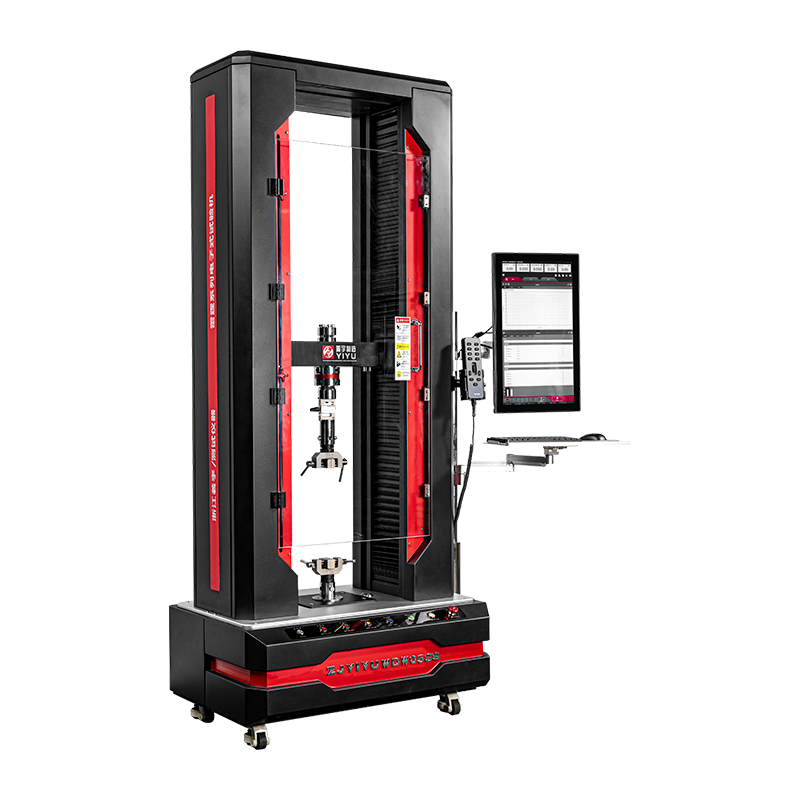
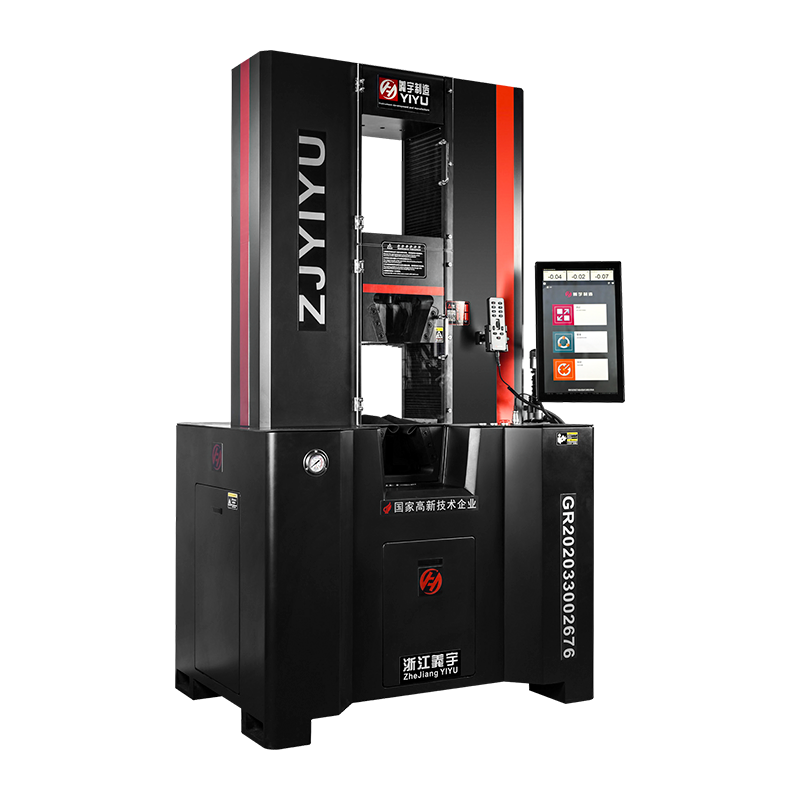
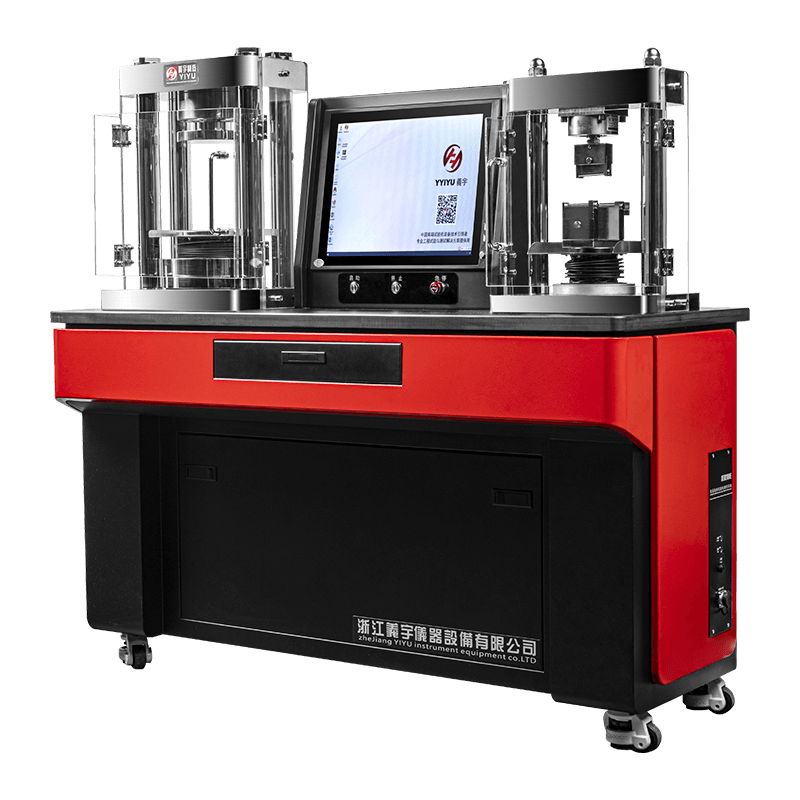
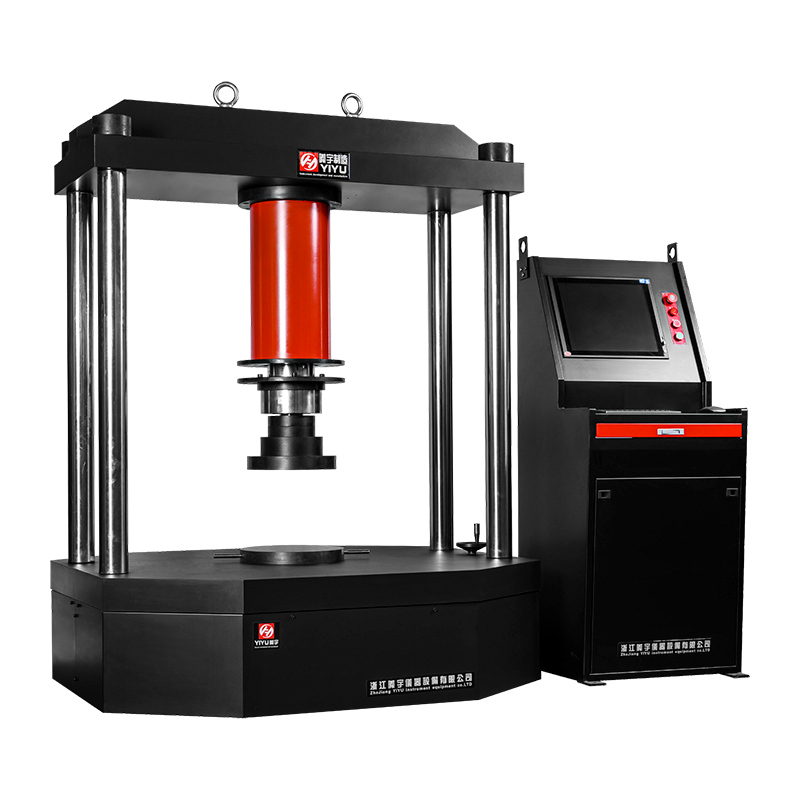
An Electronic Universal Testing Machine is a versatile and precise testing device used to evaluate the mechanical properties of materials and products. Electronic Universal Testing Machines are capable of performing various tests, such as tensile, compression, flexural, and shear tests, on a wide range of materials, from metals and polymers to composites and ceramics. These machines apply controlled forces to a specimen and measure its response to those forces, allowing engineers and researchers to assess critical properties like strength, elasticity, ductility, and fatigue resistance.
The “universal” aspect of these machines refers to their ability to conduct a variety of tests on different materials, making them an essential tool in many fields, including material science, engineering, and manufacturing.
The Importance of Product Durability Testing
Product durability testing is essential in determining how long a product will last under real-world conditions. It helps manufacturers identify potential failure points, improve product designs, and ensure compliance with safety and industry standards. Durability testing can simulate various environmental factors such as temperature fluctuations, moisture, mechanical wear, and stress, which are critical in assessing how a product will perform over time.
For industries like automotive, construction, and electronics, durability testing is not just a quality control measure—it's an investment in consumer trust and long-term performance. A product that fails prematurely or exhibits signs of wear and tear can lead to customer dissatisfaction, costly recalls, and damage to a brand’s reputation. Therefore, ensuring that products meet the highest standards of durability is paramount.
How Electronic Universal Testing Machines Improve Product Durability Testing
Precise and Controlled Testing
One of the key advantages of Electronic Universal Testing Machines is their ability to apply precise and controlled loads to materials or products. Electronic Universal Testing Machines can exert force gradually and steadily, allowing for accurate measurement of how materials react to stress, strain, and deformation. This level of precision is crucial when testing the durability of a product, as even small variations in force can impact a material’s performance over time.
In product durability testing, it is essential to simulate real-world conditions as closely as possible. Electronic Universal Testing Machines provide the ability to perform tests at various speeds and under different environmental conditions, such as temperature and humidity. This flexibility ensures that the test results are representative of how a product will behave during its lifetime, helping engineers identify weaknesses and optimize product designs for maximum durability.
Comprehensive Range of Tests
Electronic Universal Testing Machines are capable of performing a wide variety of tests that are vital for assessing product durability. Some of the most commonly used tests include:
- Tensile Testing: This test measures a material’s ability to withstand tension (pulling forces) before breaking. It is commonly used to assess the durability of materials such as metals, polymers, and fibers.
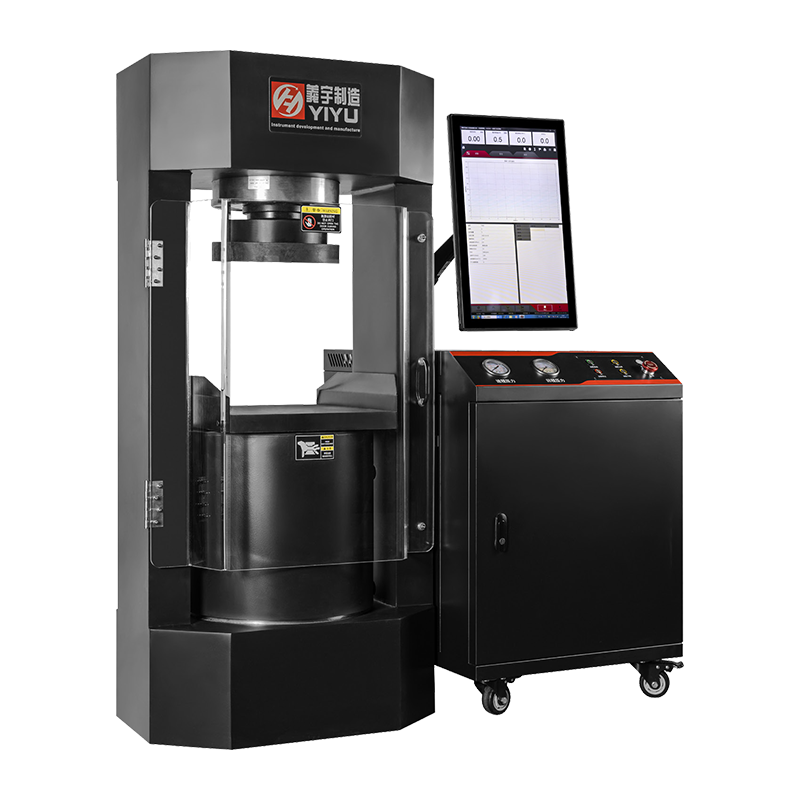
- Compression Testing: This test evaluates how materials respond to compressive forces. It is particularly useful for testing materials used in construction, packaging, and automotive industries.
- Flexural Testing: This test measures a material’s ability to resist bending or flexing under load. It is crucial for testing products like plastic components, metal beams, and electronic enclosures.
- Fatigue Testing: Fatigue testing involves subjecting a material to repeated cycles of stress to simulate long-term wear and tear. This test helps manufacturers understand how products will perform over extended use.
By using a single machine to conduct a range of tests, manufacturers can gather comprehensive data on a product’s performance. This reduces the need for multiple testing devices and ensures consistency in testing procedures.
Realistic Simulation of Working Conditions
For product durability testing to be meaningful, it needs to reflect the real-world conditions under which the product will be used. Electronic Universal Testing Machines are equipped with advanced features that allow for precise simulation of various environmental factors, such as:
- Temperature Control: Electronic Universal Testing Machines can be fitted with temperature chambers that simulate extreme heat or cold, allowing engineers to test how materials behave under different temperature ranges. For example, automotive parts may need to endure freezing temperatures in winter or extreme heat in summer.
- Humidity Control: Many materials, especially in electronics and construction, are sensitive to moisture. Electronic Universal Testing Machines can incorporate humidity chambers to test how products perform when exposed to different levels of moisture, simulating conditions like rain, fog, or humidity in tropical climates.
- Cyclic Testing: Many Electronic Universal Testing Machines are designed to perform cyclic tests, where products are subjected to repetitive stress and strain, mimicking long-term use. This is particularly important for testing the durability of products like car tires, metal parts, and plastic components.
By replicating the conditions a product will face in its environment, manufacturers can better predict its performance and lifespan. This type of testing helps in designing products that are not only durable but also capable of withstanding the rigors of everyday use.
Accurate Data Collection and Analysis
Electronic Universal Testing Machines are equipped with sophisticated data acquisition systems that provide real-time monitoring of test results. These systems measure and record various parameters, such as force, displacement, strain, and temperature, throughout the testing process. The data is then analyzed to determine how the material or product responds to stress and how it behaves under load.
The accuracy and reliability of this data are crucial in durability testing. With precise measurements, engineers can identify the exact point of failure, whether it’s due to material fatigue, inadequate design, or manufacturing defects. This data also enables manufacturers to make informed decisions about material selection, product design, and quality control processes.
Improved Quality Control and Reduced Failures
By incorporating Electronic Universal Testing Machines into the product development process, manufacturers can significantly reduce the risk of product failures in the field. Early detection of weaknesses during the testing phase allows companies to address potential issues before the product reaches the market.
In industries like automotive and aerospace, where product failure can have catastrophic consequences, ensuring durability through rigorous testing is essential for both safety and performance. Electronic Universal Testing Machines provide a reliable and cost-effective way to identify flaws in design or materials, enabling manufacturers to produce more robust products that meet safety standards and exceed customer expectations.

 简体中文
简体中文
 English
 русский