In today’s competitive manufacturing environment, ensuring product quality and safety is more important than ever. Whether producing consumer goods, industrial components, or advanced materials, manufacturers need to rigorously test their products to ensure they meet safety standards, performance specifications, and durability requirements. One of the most effective tools for achieving these objectives is the Electronic Universal Testing Machine.
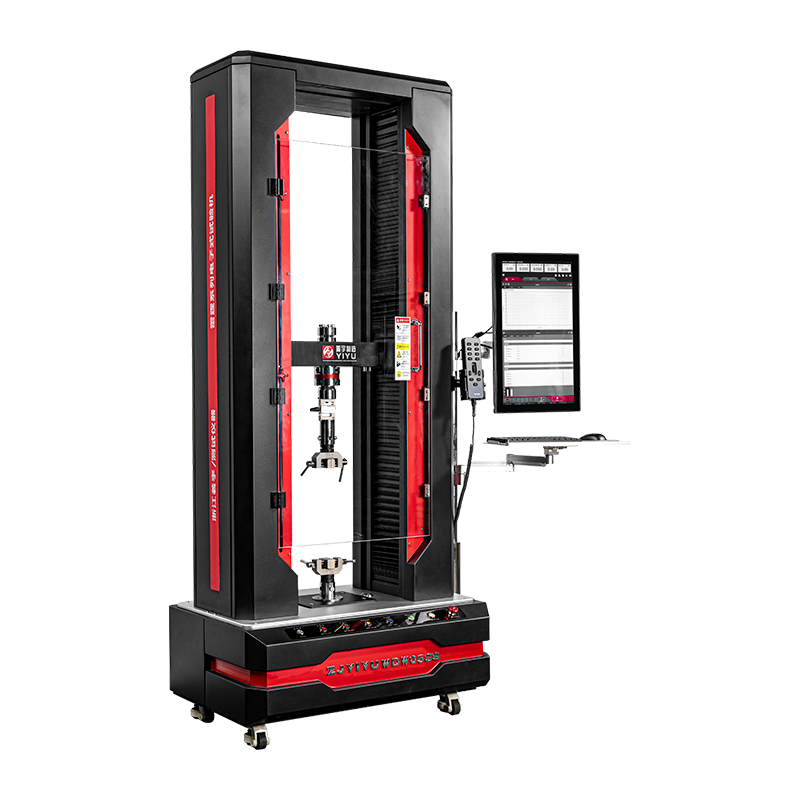
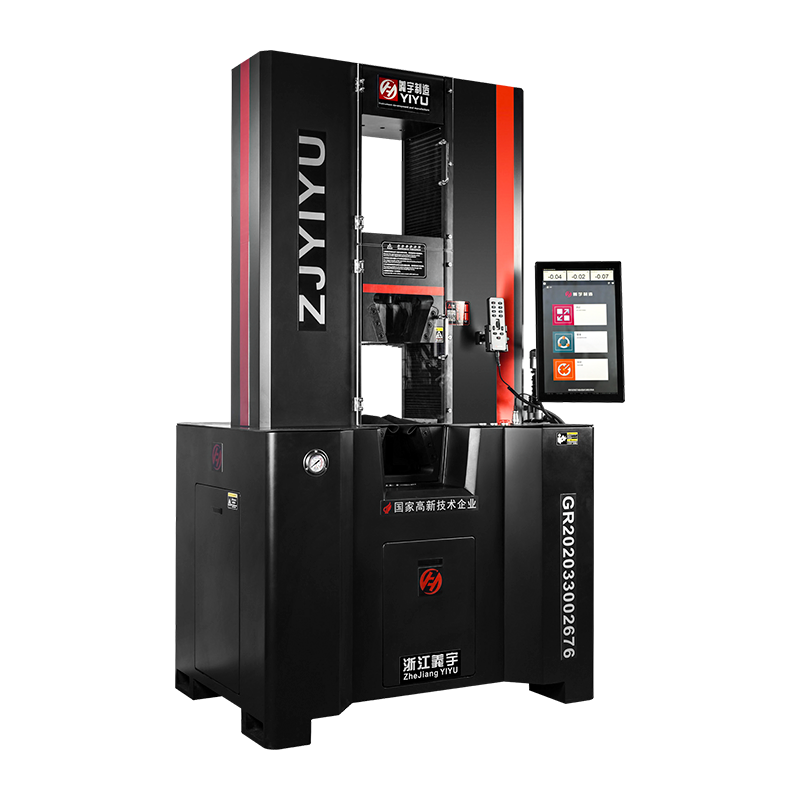
An Electronic Universal Testing Machine is a versatile and highly precise piece of equipment used to test the mechanical properties of materials and components. These machines perform a variety of tests, including tensile, compression, bending, and shear tests, to evaluate a product's strength, flexibility, and overall performance. By simulating real-world conditions and stress scenarios, these machines provide valuable insights that help manufacturers improve the quality, safety, and reliability of their products.
What is an Electronic Universal Testing Machine?
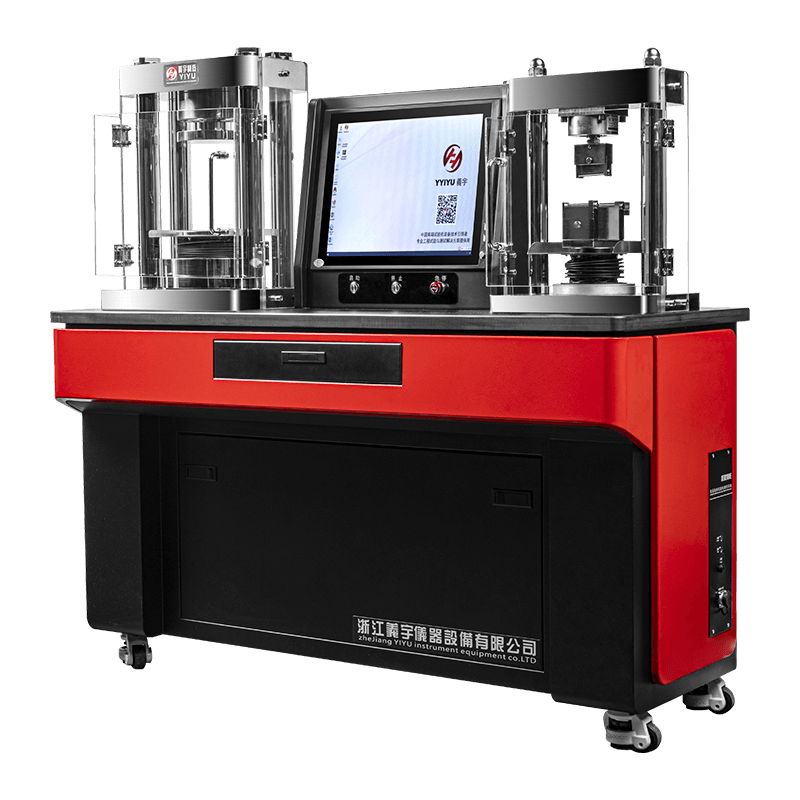
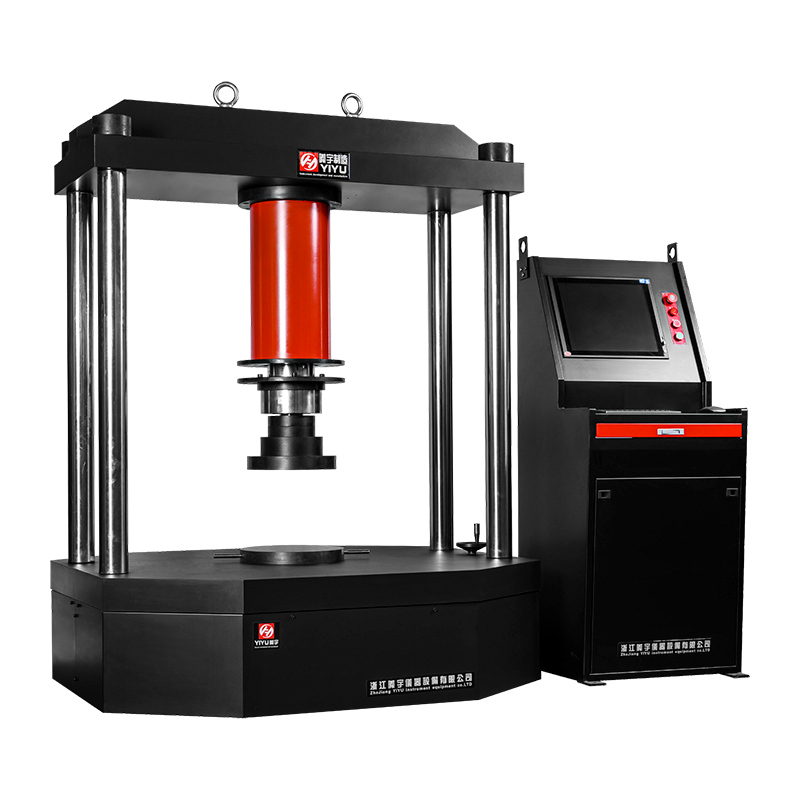
An Electronic Universal Testing Machine is a device that applies controlled loads to materials and measures their response to those loads. The machine consists of a load frame, a drive system, and a control and measurement system that records data related to the material's behavior under stress. These machines are used in material testing laboratories, research and development (R&D) departments, and production environments.
Electronic Universal Testing Machines can perform various tests such as:
- Tensile Testing: Measures the material's ability to withstand a pulling force, helping to determine its strength and elongation.
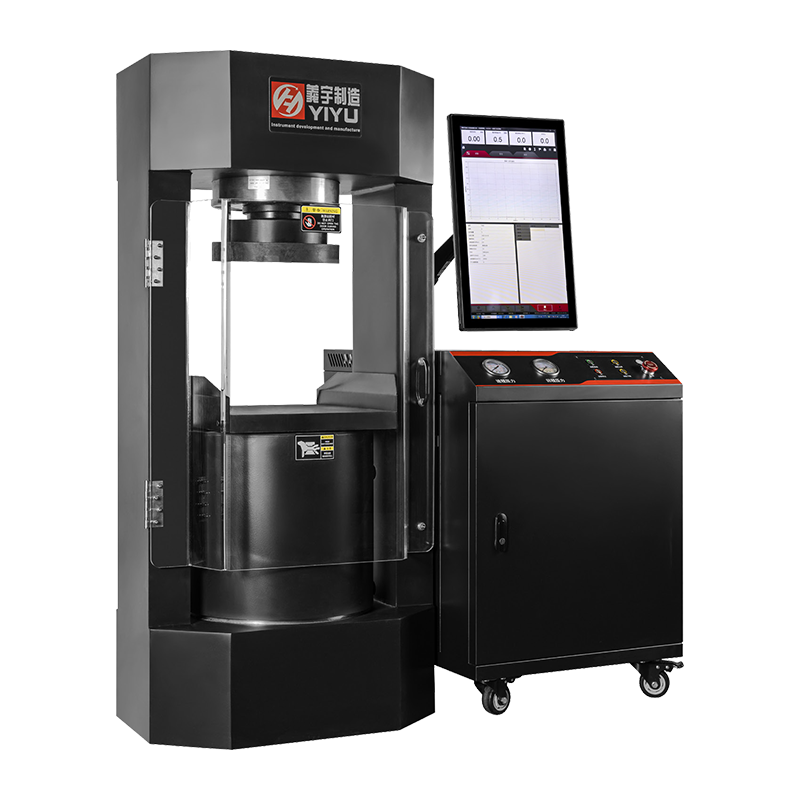
- Compression Testing: Measures the material’s resistance to compressive forces, often used to test materials like metals, plastics, and concrete.
- Bending Testing: Evaluates the ability of a material or product to bend without breaking.
- Shear Testing: Determines a material’s shear strength by testing its response to a shearing force.
The versatility of Electronic Universal Testing Machines makes them applicable to a wide range of materials, including metals, plastics, rubber, composites, and textiles.
Improving Product Quality with Electronic Universal Testing Machines
Ensuring Material Compliance with Industry Standards
One of the primary benefits of using an Electronic Universal Testing Machine is that it allows manufacturers to test their materials to meet specific industry standards and regulations. Whether it’s ensuring that a product complies with ASTM (American Society for Testing and Materials), ISO (International Organization for Standardization), or other regulatory standards, these machines help manufacturers confirm that their products are safe and reliable.
For example, in the automotive industry, materials used in car parts must meet strict safety standards to ensure they perform well in the event of a crash. Testing the tensile strength and impact resistance of materials, such as steel or aluminum alloys, is crucial for meeting crash test requirements. By using an Electronic Universal Testing Machine, manufacturers can determine if the materials are suitable for their intended applications and comply with safety regulations.
In sectors like aerospace, construction, and electronics, similar testing is required to ensure that components can withstand environmental stresses such as temperature variations, vibrations, and mechanical loading.
Identifying Product Weaknesses Early in the Design Process
Another significant advantage of Electronic Universal Testing Machines is their ability to identify weaknesses in a product's design early in the development process. During the prototyping stage, manufacturers can use Electronic Universal Testing Machines to test the materials and components under various stress conditions. These tests help engineers pinpoint potential failure points, such as weak joints, excessive flexibility, or brittle material behavior.
By performing these tests early in the design process, manufacturers can make necessary adjustments to the product's design, material selection, and production processes before full-scale manufacturing begins. This can save time and money by reducing the need for costly product recalls or redesigns down the line.
For instance, if a plastic component in a consumer electronic device is found to be too brittle during a tensile test, engineers can modify the material composition or adjust the design to improve its durability before the product enters mass production.
Improving Durability and Longevity of Products
Durability is a key factor in product quality, and Electronic Universal Testing Machines help manufacturers assess how well their products will hold up over time. Many products, particularly in industries like automotive, construction, and consumer electronics, are subjected to repeated cycles of stress, such as bending, stretching, or compression.
By subjecting materials to accelerated testing in a controlled environment, Electronic Universal Testing Machines can simulate the long-term stresses that products will experience during use. This type of testing helps manufacturers predict how products will perform over their expected lifespan and identify potential points of failure before they occur in real-world use.
For example, in the case of automotive parts like suspension springs or brake pads, compression and tensile tests help determine how the components will perform under load and ensure they can withstand long-term wear and tear. This ultimately improves the durability and longevity of the product, reducing the likelihood of premature failures and enhancing customer satisfaction.
Optimizing Manufacturing Processes
By collecting detailed data during the testing process, Electronic Universal Testing Machines provide valuable insights into material behavior and performance characteristics. This data helps manufacturers optimize their production processes for greater efficiency and consistency.
For example, manufacturers can use test data to fine-tune the production parameters of materials, such as the temperature at which they are molded, extruded, or cast. This ensures that the final product has the desired mechanical properties and meets quality standards, reducing the likelihood of defects during production.
Electronic Universal Testing Machines also help in quality control by verifying that each batch of materials or products meets the same performance criteria. If a batch fails to meet the required specifications, manufacturers can quickly identify the issue and adjust the production process before defective products reach the market.
Enhancing Product Safety
Safety is perhaps the most critical aspect of product quality, particularly in industries like healthcare, automotive, aerospace, and construction. An Electronic Universal Testing Machine plays a vital role in ensuring that products are safe for consumers and workers alike.
For instance, in the medical device industry, components such as surgical instruments, implants, and prosthetics must meet strict safety standards. Testing the tensile strength, elasticity, and fatigue resistance of materials is crucial to ensure that these products will not fail during use, potentially causing harm to patients.
Similarly, in the automotive industry, ensuring that parts such as airbags, seatbelts, and structural components meet safety standards is essential. Electronic Universal Testing Machines are used to test the strength of these parts under various conditions to confirm their ability to protect occupants in the event of a crash.
Customizing Testing for Specific Applications
One of the key features of Electronic Universal Testing Machines is their adaptability. Manufacturers can customize the testing protocols to meet the specific requirements of their materials or products. This flexibility allows for a wide range of testing options, from standard tensile tests to more complex multi-axis tests that simulate real-world conditions.
For example, in industries like electronics and telecommunications, where the performance of small components like connectors and cables is critical, Electronic Universal Testing Machines can be used to test these components' tensile, compression, and flexural strength. This ensures that components will perform reliably under various environmental and mechanical stresses.
The Industries That Benefit from Electronic Universal Testing Machines
Automotive Industry
In the automotive industry, Electronic Universal Testing Machines are used to test materials like metals, polymers, and composites used in car parts. They help ensure that components meet safety standards, such as crashworthiness and durability, and also support the development of new, lighter, and more efficient materials.
Aerospace Industry
The aerospace sector demands materials that can withstand extreme conditions. Electronic Universal Testing Machines are used to test materials for their strength, fatigue resistance, and ability to endure high levels of stress and pressure. This testing ensures that components in aircraft, spacecraft, and satellites meet stringent safety and performance requirements.
Construction Industry
In construction, materials like concrete, steel, and wood are tested for their load-bearing capacity, tensile strength, and durability. Electronic Universal Testing Machines help engineers assess the suitability of materials for various structural applications, ensuring the safety and reliability of buildings, bridges, and infrastructure.
Consumer Electronics
For consumer electronics, testing materials for strength, flexibility, and heat resistance is crucial. Electronic Universal Testing Machines are used to test the mechanical properties of plastics, metals, and electronic components to ensure they can withstand repeated use and environmental stresses.

 简体中文
简体中文
 English
 русский