In the world of manufacturing, ensuring the quality and integrity of products is a critical factor in maintaining safety, performance, and customer satisfaction. The use of advanced testing equipment is essential to meet the stringent requirements of modern manufacturing industries, particularly those dealing with metals, composites, polymers, and other materials that undergo significant stress and strain during their service life.
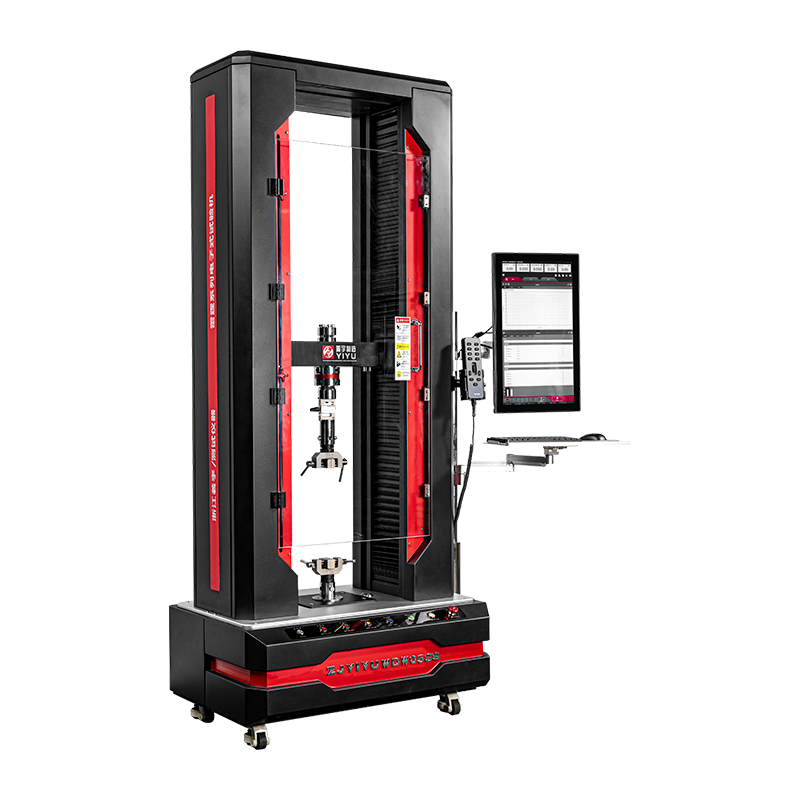
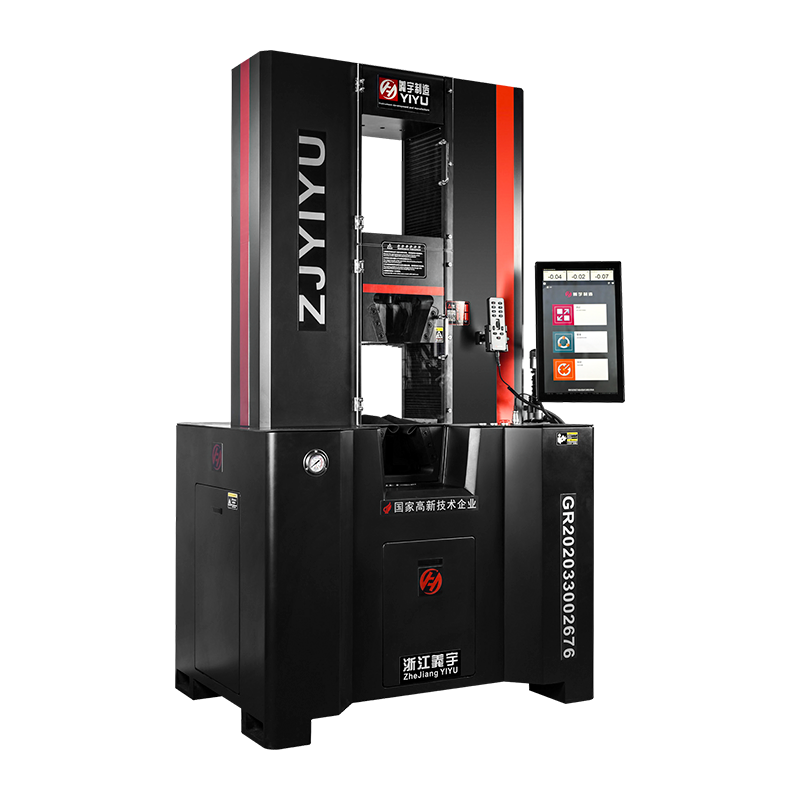
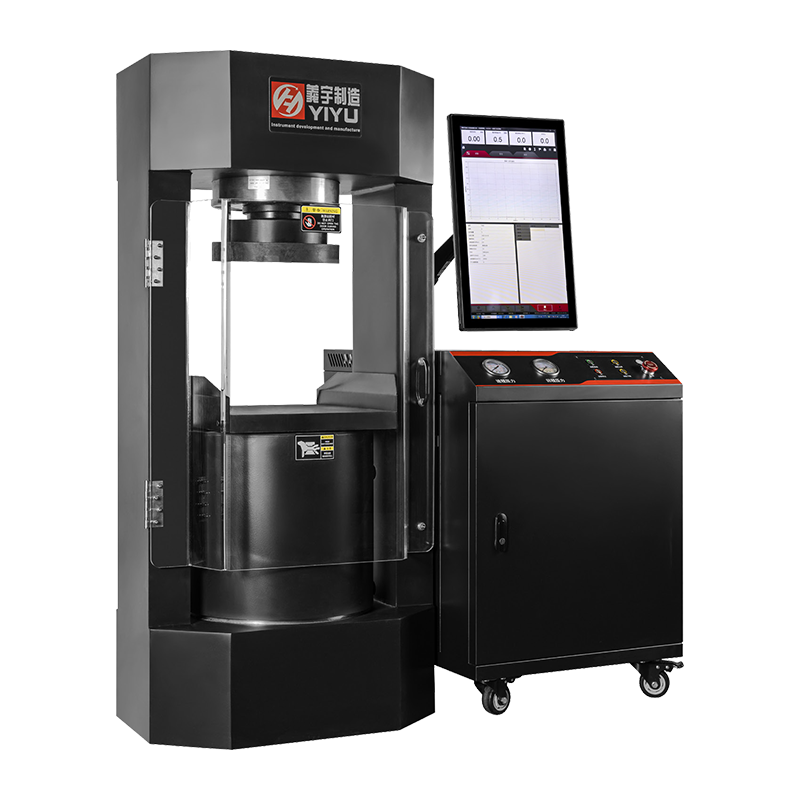
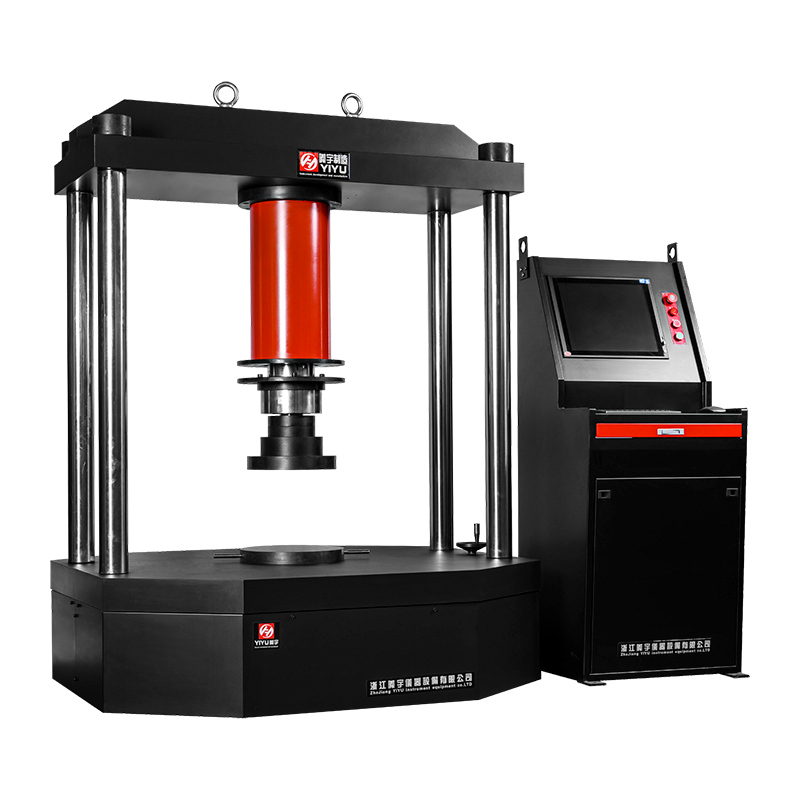
One such piece of equipment that plays an integral role in the quality control process is the Hydraulic Universal Testing Machine (HUTM). These machines are widely used in various manufacturing sectors, from aerospace and automotive to construction and materials science, to assess the mechanical properties of materials.
Precise Material Testing for Manufacturing Consistency
A fundamental function of the Hydraulic Universal Testing Machine is to provide precise and repeatable measurements of materials' mechanical properties. These properties include tensile strength, compression strength, yield strength, elastic modulus, and elongation at break.
By accurately assessing how materials behave under different stress conditions, the testing machine helps manufacturers understand how their products will perform in real-world applications. For instance, a manufacturer of automotive components can use the HUTM to measure the strength and ductility of a material used in engine parts or chassis. This ensures that each part is built to withstand operational stresses while maintaining durability and performance over time.
Consistency in Quality: HUTMs can test samples from different batches of raw material to confirm that each batch has consistent mechanical properties. This level of testing ensures that the final product, whether it's a structural component, a piece of machinery, or an assembly, will have the desired mechanical characteristics, leading to uniformity and reliability in manufacturing.
Ensuring Product Safety and Compliance
One of the most important aspects of any manufacturing process is ensuring that products meet safety standards. In industries like aerospace, automotive, and construction, product safety can be a matter of life and death. Hydraulic Universal Testing Machines are crucial in verifying that materials meet both industry standards and regulatory requirements.
Meeting Industry Standards: Many industries have international standards and guidelines that products must comply with before they can be released to market. For example, aerospace components must meet certain strength-to-weight ratios to ensure structural integrity and safety under high stress. The HUTM is used to perform tensile and compression tests to evaluate whether materials used in aircraft parts, like wings or fuselages, can handle the immense forces encountered during flight.
Compliance with Safety Regulations: Regulatory bodies, such as the American Society for Testing and Materials (ASTM) or the International Organization for Standardization (ISO), have strict standards for materials used in manufacturing. Hydraulic universal testing machines are designed to comply with these standards, ensuring that the materials and products are thoroughly tested to avoid potential failures and to meet safety requirements.
Preventing Failures: Through comprehensive material testing, manufacturers can predict how materials will behave in extreme conditions. This allows for the early detection of weak points in materials or designs, preventing catastrophic failures in products once they are in service.
Identifying Material Defects Early in the Production Process
One of the key benefits of using hydraulic universal testing machines is their ability to identify material defects early in the manufacturing process. Material defects such as cracks, voids, inclusions, or poor bonding can significantly impact the strength and durability of a product. If undetected, these defects could lead to failure during use, posing risks to safety and reducing the overall reliability of the product.
Non-Destructive Testing: While some testing methods require the destruction of a sample, HUTMs can perform non-destructive tests on materials to evaluate their quality without compromising their integrity. This enables manufacturers to test large quantities of materials and finished products with minimal wastage, ensuring that any defective materials are identified early in production.
Batch Testing for Consistency: For manufacturers using large quantities of raw materials from suppliers, batch testing with a hydraulic universal testing machine ensures that every batch of materials meets the required mechanical specifications. This proactive testing minimizes the chances of defective or subpar materials entering the production line, thereby improving the overall consistency of the final product.
Optimizing Manufacturing Processes
Beyond just quality control, hydraulic universal testing machines also help manufacturers optimize their production processes. By testing materials and products at different stages of production, manufacturers can identify opportunities for improvement in terms of material selection, design, and manufacturing methods.
Material Selection: Manufacturers may need to choose the most suitable material for a specific application based on the performance requirements. By testing different materials using a hydraulic universal testing machine, manufacturers can make informed decisions about which material best suits the design, ensuring optimal performance and longevity of the product.
Design Optimization: In addition to testing materials, HUTMs can be used to test products at different stages of the design and production process. By testing prototypes or early production models, manufacturers can identify any design flaws or weaknesses in the material or structure. This helps avoid costly design changes later in the production process, saving both time and money.
Process Control: Regular testing throughout the manufacturing process ensures that production stays on track, with all products meeting the desired specifications. The feedback from the tests can be used to adjust the production parameters, including pressure, temperature, or speed of the manufacturing process, leading to more consistent output.
Versatility and Customization for Various Industries
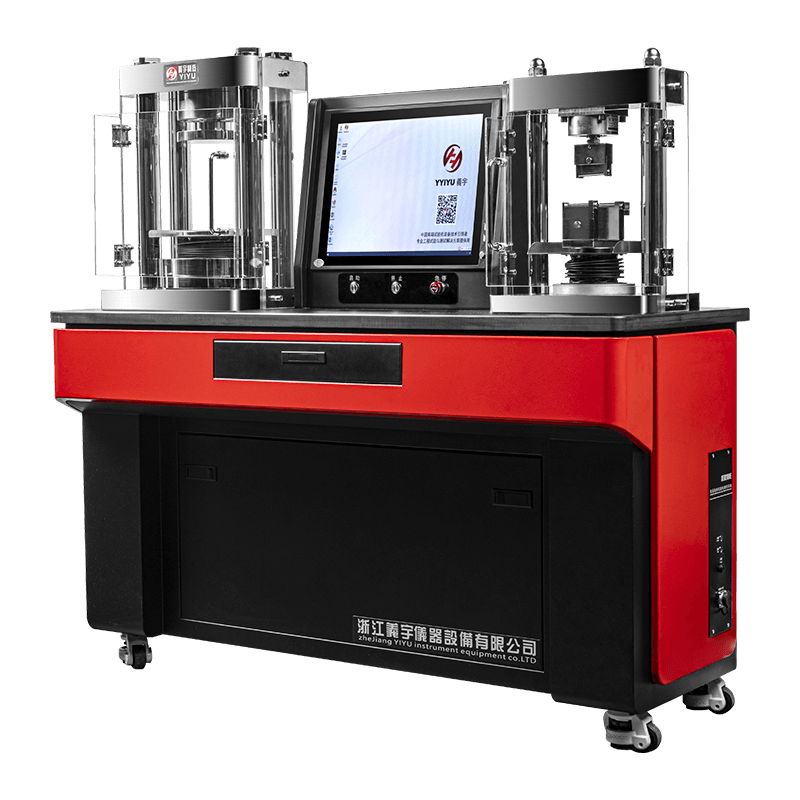
Hydraulic universal testing machines are versatile and can be customized to meet the specific testing needs of different industries. They are available in various configurations and testing capacities, allowing them to handle a wide range of materials, from metals and plastics to composites and ceramics.
Tailored Testing Solutions: Depending on the industry and the type of material being tested, manufacturers can customize their HUTMs to perform specialized tests. For instance, in construction materials testing, HUTMs may be used to assess the compressive strength of concrete or tensile strength of steel reinforcement bars. In contrast, automotive manufacturers might use them to test the fatigue resistance of engine components under high stress and temperature.
Adaptable to Different Testing Standards: Many hydraulic universal testing machines can be adapted to meet specific industry standards, such as those for tensile testing, shear testing, or bend testing. This ensures that the machines can perform multiple types of tests, providing flexibility for manufacturers who need to test a wide range of materials.
Cost Savings and Efficiency
Investing in a hydraulic universal testing machine can lead to significant cost savings for manufacturers over time. By ensuring that materials and products meet quality standards before they are sent to market, HUTMs reduce the likelihood of defective products being shipped, which could result in costly recalls, rework, or warranty claims.
Reducing Waste and Rework: With accurate testing early in the production process, manufacturers can identify and eliminate defective materials or components before they are incorporated into finished products. This reduces the amount of waste generated and minimizes the cost of reworking or remanufacturing defective products.
Improving Production Efficiency: Hydraulic universal testing machines streamline the quality control process by automating testing procedures and reducing the need for manual inspections. This increases production speed and efficiency while maintaining the highest quality standards.

 简体中文
简体中文
 English
 русский