Melt flow index (MFI) is one of the most widely used quality control parameters in the plastics industry. It tells a processor how easily a polymer will flow in its molten state, which directly affects processing conditions such as injection pressure, extrusion speed, and mold filling behavior. Although the test procedure looks straightforward on the surface, calculating the melt flow index correctly demands a clear understanding of the standard test method, the test conditions, and the arithmetic that turns a simple weight measurement into a meaningful specification value.
In this guide, we explain what melt flow index means in practice, describe the standard test setup used to capture the raw data, and show step by step how to calculate the final result using a practical worked example. We also discuss the difference between melt flow rate and melt volume rate, review the factors that can distort the measurement, and highlight the most common mistakes made when calculating MFI in routine laboratory work.
What Is Melt Flow Index?
Melt flow index is defined as the mass of thermoplastic polymer, in grams, that is extruded through a capillary die of standardized dimensions over a ten-minute period under a specified temperature and load. The result is expressed in g/10 min. A high MFI corresponds to a low melt viscosity and easy flow, while a low MFI indicates a higher viscosity material, usually associated with higher molecular weight.
Because molecular weight has a strong influence on mechanical properties, MFI is used as a quick screening tool in polymer production, compound formulation, and incoming material inspection. Resin suppliers, masterbatch producers, and plastic processors all rely on MFI to confirm that each batch of material falls within the agreed range before it moves to the next stage of production. It is not a complete measure of polymer quality, but it is a fast and economical indicator of batch consistency.
Understanding the Standard Test Setup
The melt flow index test is performed according to internationally recognized standards, most commonly ISO 1133 and ASTM D1238. The instrument, called a melt flow indexer or extrusion plastometer, consists of a heated barrel with precise temperature control, a weighted piston, and a die with a calibrated orifice. The standard die diameter is 2.095 mm, and the barrel temperature is held within a narrow tolerance to ensure reproducible melt conditions.
During the test, a carefully weighed quantity of polymer, typically 4 to 7 grams, is placed into the barrel. The material is preheated for a set period to allow complete melting and temperature equilibration. The load is then applied to the piston, and the molten polymer is forced through the die. Extrudate samples are collected over defined time intervals and weighed on an analytical balance.
The temperature and load used for the test depend on the polymer type and the applicable material specification. Different resins have different recommended condition sets, and these conditions must always be quoted together with the MFI result.
Typical test conditions for melt flow index measurements on common thermoplastics
| Material |
Temperature (°C) |
Load (kg) |
| Low-density polyethylene |
190 |
2.16 |
| High-density polyethylene |
190 |
2.16 |
| Polypropylene |
230 |
2.16 |
| Polystyrene |
200 |
5.00 |
| ABS |
220 |
10.00 |
| Polyamide (nylon) |
275 |
5.00 |
Always verify the exact temperature and load from the material data sheet or the relevant standard before beginning the test. A polypropylene result obtained at 230 °C and 2.16 kg is not comparable to a result measured at 190 °C or under a heavier load.
How to Calculate Melt Flow Index
Once the extrusion test is finished and the extrudate samples have been weighed, the calculation can be performed with a simple formula:
MFI = (m × 600) / t
Where:
- m = mass of the extruded polymer in grams
- t = collection time in seconds
- 600 = number of seconds in ten minutes
Worked Example
Let's walk through a realistic example. A polypropylene sample is tested at 230 °C with a 2.16 kg load. The operator collects the extrudate over a 60-second interval, and the cut is weighed on an analytical balance. The mass is 0.42 g.
MFI = (0.42 × 600) / 60 = 252 / 60 = 4.2 g/10 min
In routine practice, operators frequently collect multiple cuts during a single run to average out small variations in flow. For example, five cuts collected at 60-second intervals might weigh 0.40, 0.43, 0.41, 0.44, and 0.42 g. The average mass is 0.42 g, so the reported result remains 4.2 g/10 min. Alternatively, the total mass of all cuts and the total collection time can be entered into the same formula.
The same equation works for any collection interval. If a shorter interval is specified, simply use the actual collection time in the denominator. The factor of 600 always converts the result to the standardized ten-minute basis, ensuring the final value is expressed in g/10 min.
Melt Flow Rate vs Melt Volume Rate
Strictly speaking, what most people call melt flow index is actually the melt flow rate, abbreviated MFR, which is the mass-based result expressed in g/10 min. Some standards also define the melt volume rate, abbreviated MVR, which reports the extruded volume in cubic centimeters per ten minutes (cm3/10 min).
MVR is especially useful when polymer density varies noticeably with temperature or when the product is sold by volume rather than by mass. Modern melt flow indexers can measure MVR directly by tracking the piston displacement during the test, eliminating the need to weigh each cut. If only MFR is known, MVR can be estimated using the melt density at the test temperature:
MVR = MFR / melt density at test temperature
Both values are equally valid, but they answer slightly different questions. When comparing materials, always check whether the specification quotes MFR or MVR, because the numbers and their units are not interchangeable.
Factors That Influence Melt Flow Index Results
Even when the formula is applied correctly, the measured MFI can vary significantly if the experimental conditions are not controlled. The following factors deserve close attention in any testing laboratory.
- Sample conditioning: Hygroscopic polymers, such as polyamides and PET, must be dried before testing. Moisture creates bubbles and hydrolytic degradation, which changes the melt viscosity.
- Barrel loading and compaction: The sample should be loaded in small portions and packed carefully to remove trapped air. Inconsistent packing can alter the melt height and the effective flow path.
- Preheat time: The preheating period must follow the standard closely. Too little time results in partially melted material; too much time can degrade the polymer.
- Die condition: The die is a precision component. A worn orifice, surface scratches, or residual polymer from the previous test will change the flow resistance and produce unreliable results.
- Piston friction: The piston must move freely while maintaining the correct clearance. Excessive friction absorbs part of the applied load and lowers the effective pressure on the melt.
- Temperature uniformity: The barrel temperature should be uniform across the melt zone. Local hot or cold spots affect viscosity and make results difficult to reproduce.
Common Calculation Mistakes to Avoid
Experience shows that many incorrect MFI results come not from faulty instruments but from avoidable mistakes in the calculation and interpretation. Keeping these points in mind will help you produce reliable numbers.
- Wrong time base: The formula is based on ten minutes, not one minute. Forgetting to multiply by the conversion factor of 600 changes the result by a factor of ten.
- Including preheat in the collection time: The timer should begin only when the extrusion collection actually starts. The preheat period has nothing to do with the flow measurement.
- Incorrect average: When multiple cuts are collected, average the masses correctly and use the same units throughout the calculation.
- Ignoring the units of the extrudate mass: The balance may display grams or milligrams. Using milligrams without converting will make the result one thousand times too large.
- Comparing different test conditions: An MFI measured at 190 °C and 2.16 kg cannot be compared directly with a value measured at 230 °C and 2.16 kg. Always quote the conditions with the result.
- Forgetting to check the standard: ISO 1133 and ASTM D1238 have slightly different procedures for preheating, cutting, and calculation. Read the applicable standard carefully before reporting a value.
Complementary Testing for Polymer Laboratories
Melt flow index provides a rapid indication of processability, but it does not reveal every property that matters for end-use performance. A polymer that flows well can still fail mechanically after molding or extrusion. For this reason, most quality control laboratories combine melt flow measurements with mechanical testing that evaluates tensile strength, elongation at break, flexural modulus, or impact resistance.
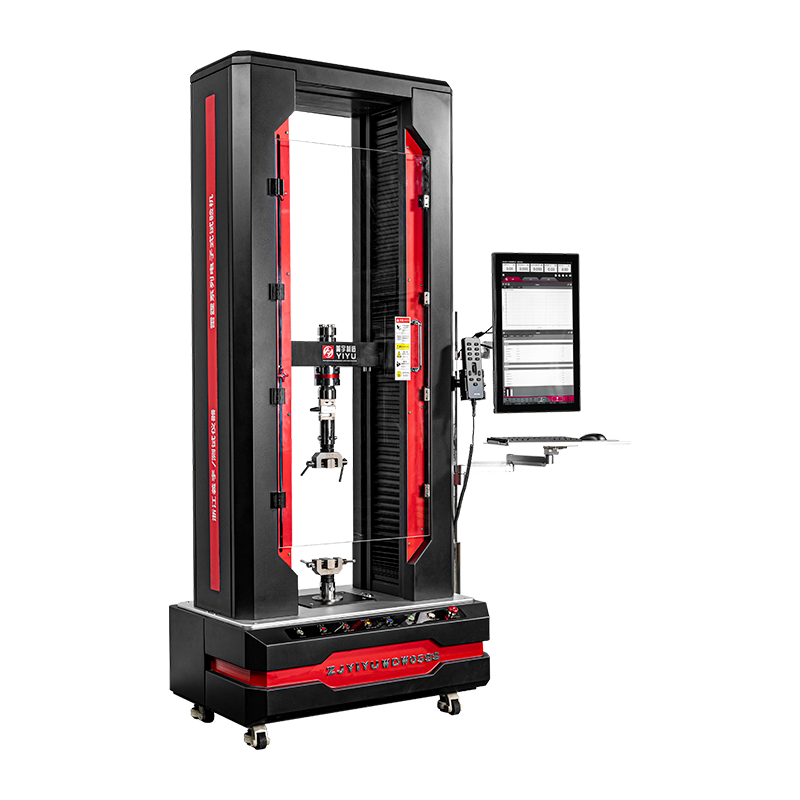
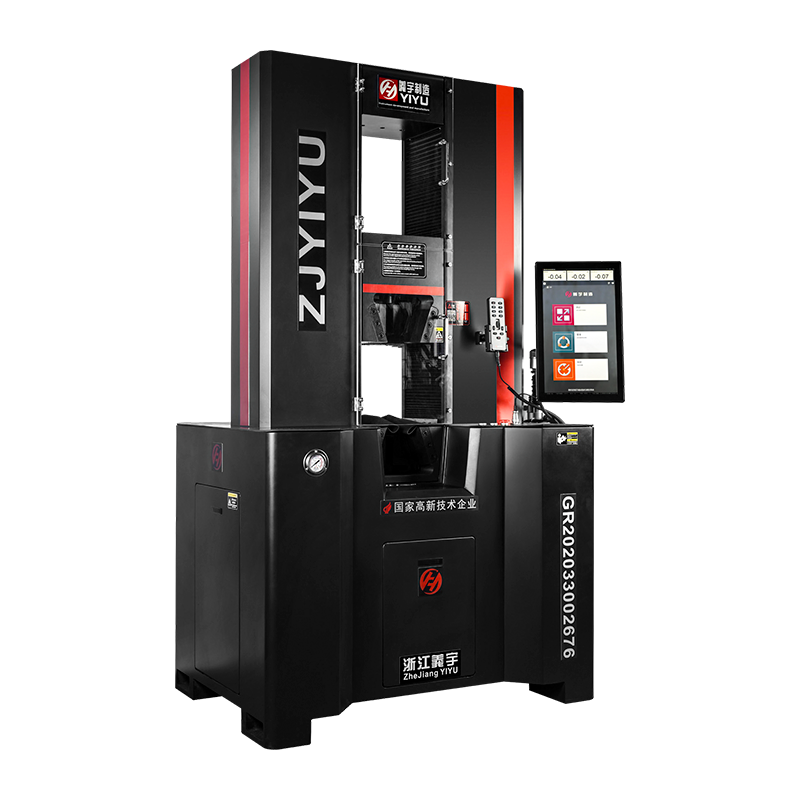
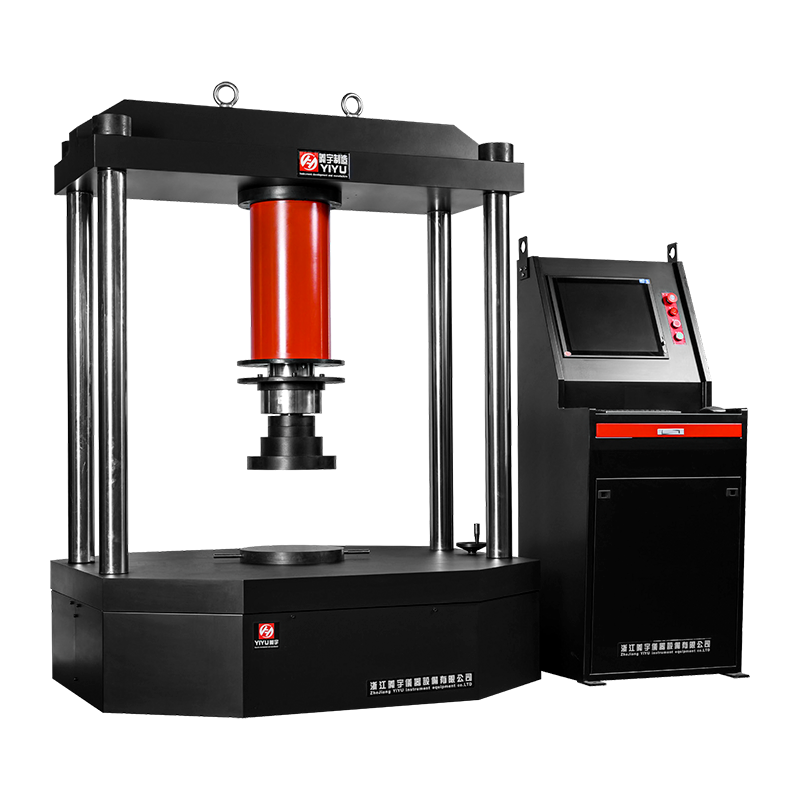
Universal testing machines are the workhorses of this mechanical characterization work. They can be fitted with different grips, extensometers, and fixtures to test films, sheets, molded parts, and composite materials. To understand how these instruments support advanced material development, read our article on high-performance material testing.
If you are building a new polymer testing laboratory or upgrading existing equipment, it pays to choose instruments that are accurate, reliable, and matched to the standards you follow. Our engineering team can help you identify the right configuration for your materials and test methods. Contact our engineering team any time to discuss your requirements.

 简体中文
 English
 русский