Direct Answer
A specialized testing machine is a purpose-built system designed to perform one specific type of mechanical test — torsion, spring compression, wire rope tension, high-strength bolt tightening — that a general-purpose universal testing machine physically cannot run. The difference isn't capacity or brand; it's motion. A universal testing machine applies linear force along a single axis. Torsion testing requires rotational twisting around a wire's own axis, spring testing requires cyclic load-unload behavior tracked at speed, and neither can be reproduced by a machine built to pull or push in a straight line.
For example, ASTM A938, the standard governing torsion testing of metallic wire, requires chuck jaws that stay coaxial while one chuck rotates and the other displaces along the wire's axis — a mechanism no standard universal frame includes. If your test protocol calls for rotation, cyclic loading at defined frequency, or a non-standard specimen geometry, a specialized machine is not an upgrade — it's the only equipment that can legally and technically produce a valid result.
What Actually Separates a Specialized Machine From a Universal One
Universal testing machines earn their name because they cover the two most common load types — tension and compression — across a huge range of materials. That versatility is exactly why they can't be adapted for every test. A universal frame moves a crosshead up or down; it does not rotate a specimen, apply asymmetric torque, or cycle a spring thousands of times per minute while logging force at each cycle.
The distinction that matters for a lab or QA manager is simple: is the required motion linear, or is it something else? If a test standard calls for twisting, cyclic fatigue, indentation, or a highly specific fixture geometry, that requirement defines the machine category before brand, price, or software ever enter the decision.
Test Type
Required Motion
Universal Machine Suitable?
Tensile / compression
Single-axis linear pull or push
Yes — this is its core job
Wire / metal torsion (ASTM A938)
Coaxial rotation about the specimen's own axis
No — requires a torsion frame
Spring compression / extension
Repeated load-unload at controlled insertion speed
No — needs a dedicated spring tester
Wire rope tension (ASTM A931)
Very long specimen length, socketed or sheathed end fittings
No — needs extended frame clearance and specific grips
High-strength bolt torque-tension
Simultaneous axial tension and rotational torque
No — needs a combined torque-tension fixture
Fatigue / cyclic loading (ASTM E466)
Thousands to millions of load cycles at set frequency
No — needs servo-hydraulic or resonance fatigue systems
The Main Categories of Specialized Testing Machines
Not every "specialized" machine is exotic. Most fall into a short list of recognizable categories, each tied to a specific industry need and a specific standard.
Torsion testing machines
Built to twist a specimen — usually wire, shafts, or fasteners — around its own axis until it fails or reaches a defined number of turns. Compliant with ASTM A938 and ISO 7800, these machines require chuck jaws that remain coaxial through the test and one chuck that can displace along the specimen axis as the material elongates under twist. Used heavily in wire manufacturing, fastener production, and automotive component QA.
Spring testing machines
Designed to determine the force-deflection curve of coil, disc, or gas springs. Static compression tests on disc springs are commonly run at capacities around 400 kN on electromechanical frames, while cyclic fatigue life testing of the same components typically moves to a servo-hydraulic load frame. A key distinguishing feature is insertion and extension speed control, since spring force response is speed-dependent in a way tensile testing generally is not.
Wire rope and cable testing machines
Wire rope specimens are tested to ASTM A931, which recommends a specimen length of at least 20 times the rope's nominal diameter to fully capture stress-strain behavior. That length requirement alone rules out most standard-frame universal machines, and rope ends require sheathed or socketed terminations rather than standard wedge grips.
High-strength bolt and fastener testing machines
Structural bolts are frequently qualified under combined axial tension and applied torque simultaneously, replicating how a bolt actually behaves when tightened into a joint. This composite force-and-torque measurement is a fixture and control-logic requirement that a straight-line tensile frame does not include natively.
Fatigue and cyclic testing systems
Where a single load application isn't representative of real-world service life, fatigue systems apply axial, bending, or torsional loading repeatedly — governed by ASTM E466 and ISO 12106 for axial fatigue. These systems run on servo-hydraulic or high-cycle resonance platforms built specifically to sustain millions of load cycles without frame fatigue of their own.
!
A note on standards compliance: Running a torsion or fatigue test on repurposed universal-machine hardware doesn't just risk inaccurate results — it can invalidate the test against the governing ASTM or ISO standard entirely, since those standards specify the required motion and fixture geometry as part of the method, not as optional detail.
How the Torsion Test Sequence Actually Runs
Using ASTM A938 wire torsion as a concrete example, the sequence looks like this:
- Specimen preparation The wire is straightened and measured for diameter, since torsion results are highly sensitive to minor dimensional variation.
- Grip placement The wire is clamped in coaxial chuck jaws, with the twisted length isolated from the clamping points so the test measures true material behavior, not grip artifacts.
- Controlled rotation One chuck rotates at a controlled rate while the other displaces along the wire axis to accommodate elongation, with automatic revolution counting logging turns to failure.
- Failure detection and recording The machine records the number of turns and, where required, the torque at failure, providing the ductility data the standard is designed to produce.
Specification Benchmarks Worth Knowing
Specialized machines vary enormously by test type, but a few reference figures are useful when evaluating whether a quoted system matches your actual testing volume:
20×
Minimum wire rope specimen length as a multiple of rope diameter, per ASTM A931
400 kN
Typical capacity for static disc spring compression testing on electromechanical frames
9
Load cells used in multi-channel spring testing systems to capture force-action curves in one pass
Choosing Between a Custom Fixture and a Fully Dedicated Machine
Not every specialized requirement demands a brand-new machine. In many cases, an existing universal frame can be adapted with the right grips or fixtures — 90-degree and ascending drum peel fixtures for adhesive testing, for instance, or custom grippers for variable material thickness. The decision generally comes down to test frequency and motion type.
| Situation |
Recommended Path |
Why |
| Occasional peel or bend test alongside routine tensile work |
Fixture upgrade on existing UTM |
Motion stays linear |
| Routine torsion or spring testing as a production QC step |
Dedicated specialized machine |
Motion is rotational or cyclic |
| High-volume single-standard testing (e.g. one bolt spec, repeated daily) |
Purpose-built machine with optimized throughput |
Efficiency and repeatability |
| R&D work spanning many test types on few samples |
Modular UTM with interchangeable fixtures |
Flexibility over throughput |
| Fatigue or endurance qualification under a defined ASTM/ISO cycle standard |
Dedicated servo-hydraulic fatigue system |
Millions of cycles required |
Information to Have Ready Before Requesting a Specialized Machine Quote
- The exact governing standard (e.g. ASTM A938, ISO 7800, ASTM E466) — this defines required motion, fixture geometry, and reporting format before anything else is decided.
- The material or product to be tested, including typical specimen dimensions and any non-standard geometry.
- The specific property being measured — ductility, force-deflection curve, endurance limit, torque-tension relationship.
- Required testing throughput, since this determines whether a manual, motorized, or fully automated system is the right fit.
- Whether the machine needs to interface with existing lab software or data acquisition systems.
Where This Fits Across Our Testing Equipment Range
Specialized testing machines sit alongside our broader equipment lineup as the answer for tests that general-purpose frames can't perform. Here's how the categories relate:
Matching Equipment to Test Requirements
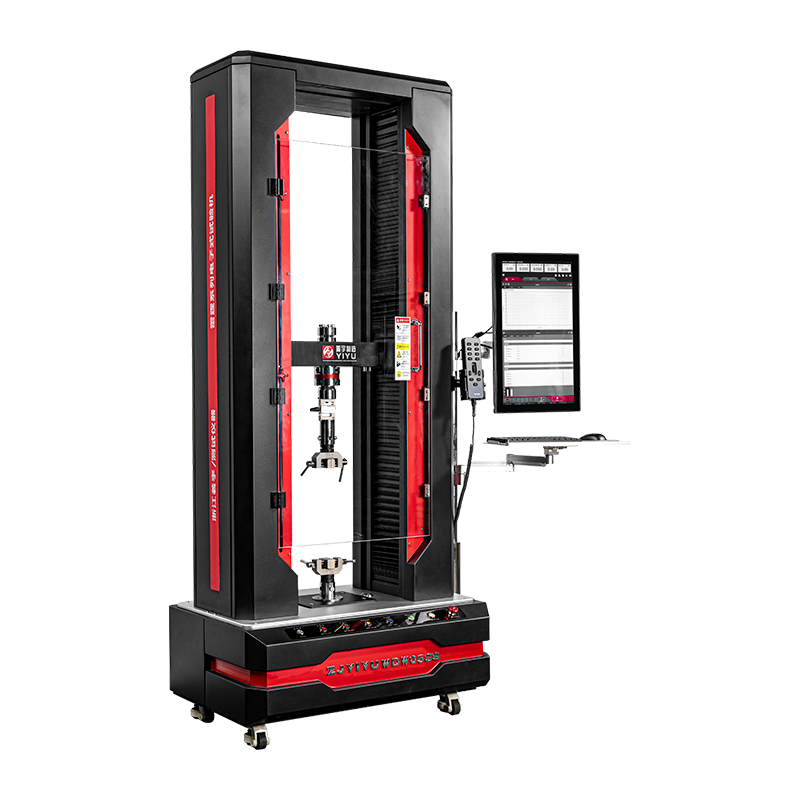
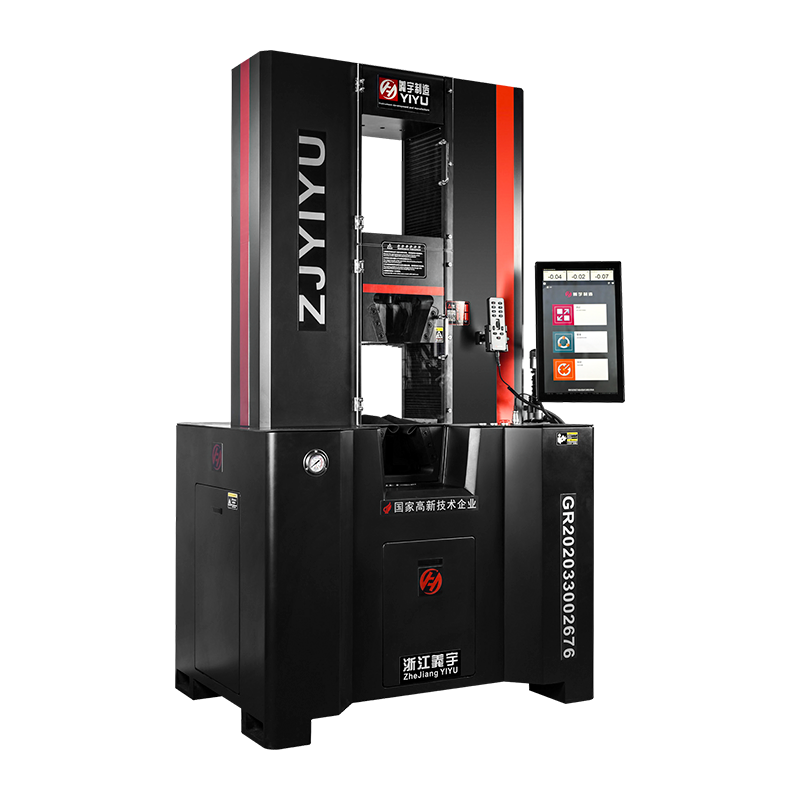
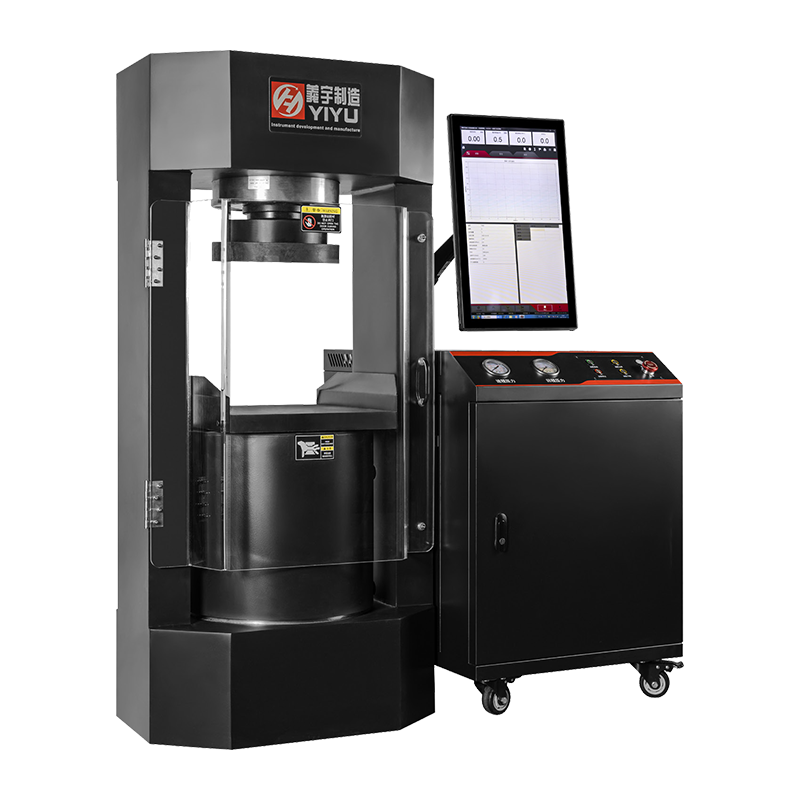
Electronic / Hydraulic Universal Testing Machines The correct choice whenever the required motion is linear tension or compression — the majority of day-to-day mechanical testing.
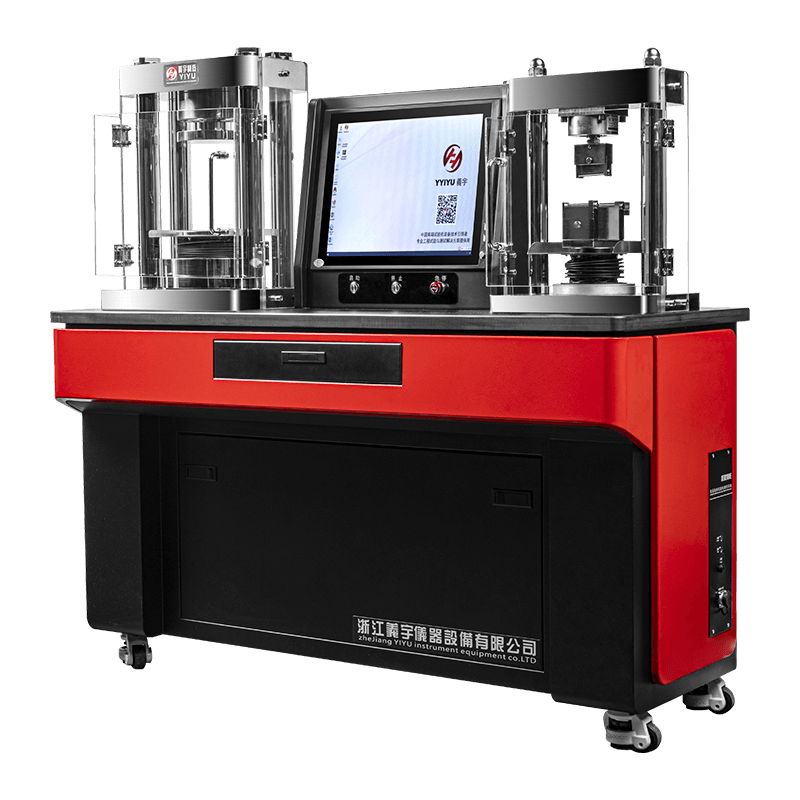
Compression & Flexure Integrated Machines Suited to combined compression and bending test protocols on a single frame, without needing to switch machines mid-workflow.
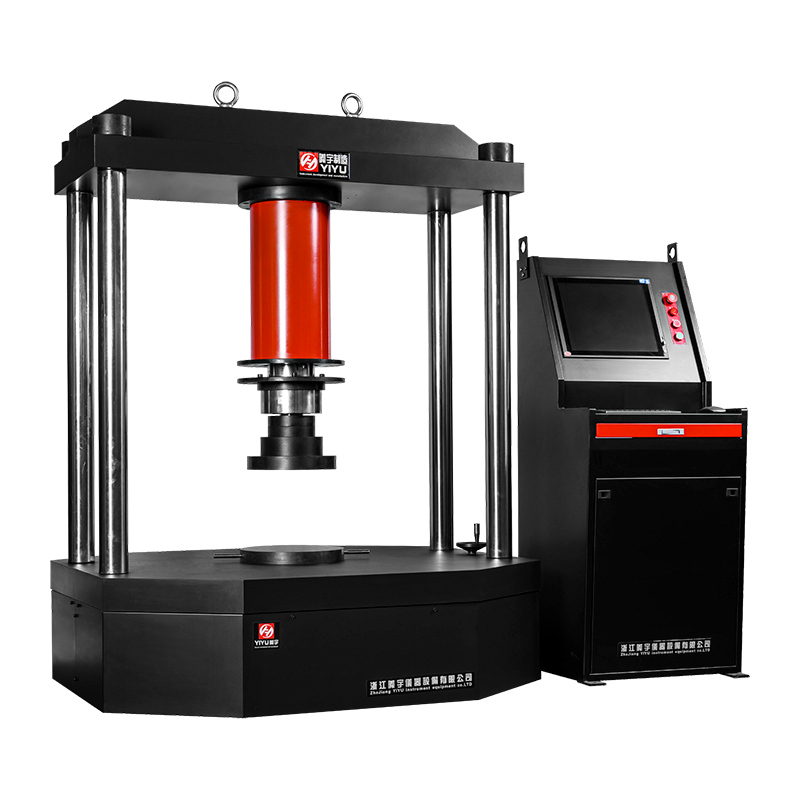
Specialized Testing Machines Purpose-built for torsion, spring, wire rope, and bolt torque-tension testing — where the motion itself, not just the fixture, differs from a universal frame.
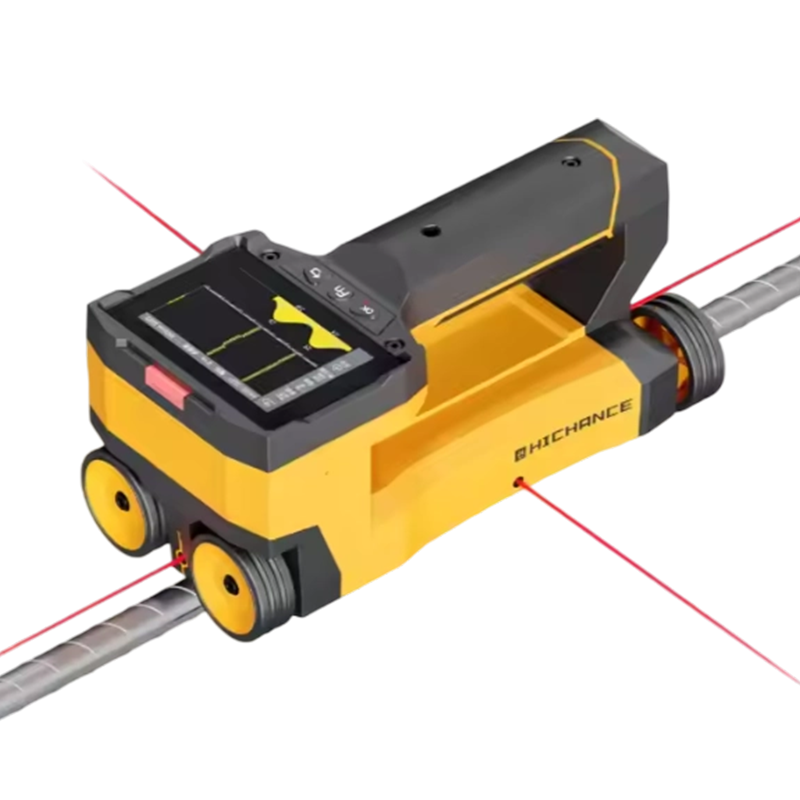
NDT Devices Complement destructive specialized testing with non-destructive inspection, useful when a specimen or in-service component needs evaluation without being taken to failure.
Common Questions
Can a universal testing machine be converted into a torsion tester with the right fixture?
No. Torsion requires rotational motion around the specimen's axis, which a universal frame's crosshead-driven linear motion cannot produce regardless of what fixture is attached. This is a drivetrain limitation, not a grip limitation.
Do specialized testing machines still need to meet ASTM or ISO standards?
Yes, and typically more specifically than a universal machine does. Because a specialized machine is often built for one governing standard, its fixture geometry, speed control, and data logging are engineered to match that standard's exact requirements rather than a general accuracy class.
How is fatigue testing different from a standard load test?
A standard tensile or compression test applies load once, to failure or to a defined point. Fatigue testing applies load repeatedly — often millions of cycles — to determine how a material or component behaves under sustained, repeated service conditions, which is a fundamentally different question than one-time strength.
Is a specialized machine always more expensive than adapting a universal machine?
Not necessarily for high-volume single-standard testing. While the upfront cost is typically higher, a purpose-built machine usually tests faster and more consistently for its one job, which can offset the initial cost through reduced cycle time and lower operator training requirements.
Machine capacities, fixture designs, and standard compliance vary by manufacturer and model — always confirm exact specifications against your governing test standard before finalizing a purchase.

 简体中文
简体中文
 English
 русский