Permeability tells you how easily water, oil, or gas can move through a porous material. It is one of those properties that seems straightforward until you try to measure it in practice. The right result depends on the material, the fluid, the pressure conditions, and whether you are working in a laboratory or out in the field. In this guide, we break down how permeability is measured across soil, rock, concrete, and other construction materials — and what to keep in mind when choosing a method.
Why Permeability Measurements Matter
Permeability is not just a lab curiosity. It influences groundwater flow, dam seepage, foundation drainage, pavement durability, and the service life of concrete structures. Reliable measurements help engineers decide whether a soil is suitable for a leach field, whether a rock mass will leak around a tunnel, or whether a concrete mix will resist aggressive water.
- Designing drainage layers and filters
- Evaluating grout and sealant performance
- Predicting contaminant transport in soil and groundwater
- Assessing concrete durability and waterproofing requirements
The Starting Point: Darcy's Law
Most permeability measurements are built on Darcy's law, which states that the flow rate through a porous medium is proportional to the cross-sectional area and the applied hydraulic gradient. In simple terms, you apply a known pressure difference across a sample, measure the resulting flow, and calculate the material's ability to transmit the fluid.
Two terms often appear in this work. Hydraulic conductivity is the simpler value that depends on both the material and the fluid. Intrinsic permeability is a fluid-independent property of the pore structure and is calculated by taking the fluid's viscosity into account. When people ask how permeability is measured, the practical answer usually starts with a test based on Darcy's law, then converts the result to an intrinsic value where needed.
Laboratory Methods for Soil and Rock
Laboratory tests are a common starting point because they let you control the sample and the testing conditions. Two classic methods are the constant head test and the falling head test.
Constant Head Test
In a constant head test, water flows through a saturated soil or rock sample under a steady pressure head. The outflow is collected over a known time, and the permeability is calculated from the flow rate, sample dimensions, and pressure difference. This method works best with relatively permeable materials such as clean sands and gravels.
Falling Head Test
A falling head test uses a standpipe to supply water. As water flows through the sample, the height of the water in the standpipe drops, and the time taken for that drop is recorded. This method is better suited to fine-grained soils and other low-permeability materials where flow is too slow for reliable constant head measurement.
Typical laboratory permeability tests for soil and rock
| Test |
Best suited for |
Key measurement |
| Constant head |
Sands, gravels, permeable rocks |
Steady flow rate under constant pressure |
| Falling head |
Silts, clays, low-permeability samples |
Drop in water level over time |
Sample preparation is critical. Disturbed samples, trapped air, and unrepresentative voids can all distort the result. Good laboratory practice includes saturating the sample, controlling the hydraulic gradient, and repeating the measurement under different conditions when necessary.
Field Methods for In Situ Permeability
Laboratory samples are small, and nature is rarely uniform. In situ permeability tests are used when engineers need a more representative picture of the ground or structure in its real condition.
- Pumping tests are commonly used in wells and boreholes. Water is pumped out at a known rate, and the response of the water table is monitored to estimate permeability over a large area.
- Slug tests involve quickly adding or removing a known volume of water and watching the water level recover. They are faster and less expensive than full pumping tests.
- Packer tests isolate a section of a borehole with inflatable packers and inject water under pressure. They are widely used in rock and grouting investigations.
- Infiltration tests measure how quickly water enters the soil from a ring or basin, which helps with drainage and seepage design.
Field methods often produce higher values than lab tests because they take more of the natural pore structure, fractures, and bedding planes into account. That is not a flaw — it is a reminder that the measurement should always match the question being asked.
Permeability Testing of Concrete and Other Construction Materials
Concrete does not need to be highly permeable, but the small amount that does pass matters for durability. Chlorides, sulfates, and carbon dioxide can move through the pore system and trigger reinforcement corrosion or chemical attack. That is why many specifications include a concrete permeability test alongside compressive strength checks.
Common approaches for cement-based materials include:
- Water penetration depth tests, where water is applied to one face under pressure and the sample is split to measure how deep the water traveled.
- Initial surface absorption tests, which measure how quickly water is drawn into the surface of hardened concrete.
- Air permeability methods, which use a low-pressure pulse of air to characterize the near-surface pore structure.
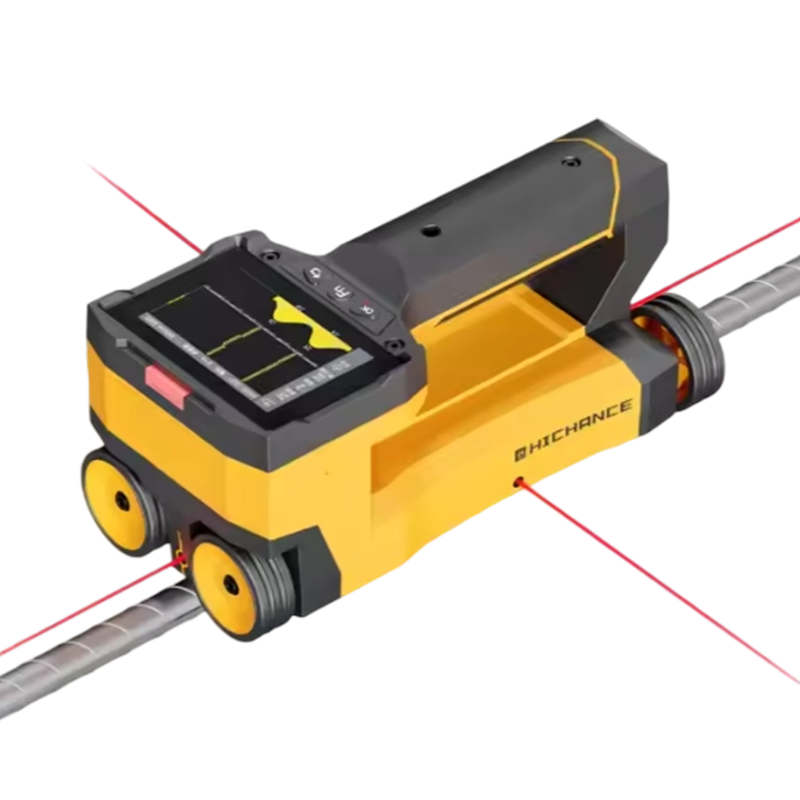
These tests work alongside other durability indicators. Carbonation depth is one example: carbon dioxide enters the same pore network, so a compact, low-permeability concrete tends to carbonate more slowly. A carbonation depth meter is a simple tool for tracking this effect in existing structures.
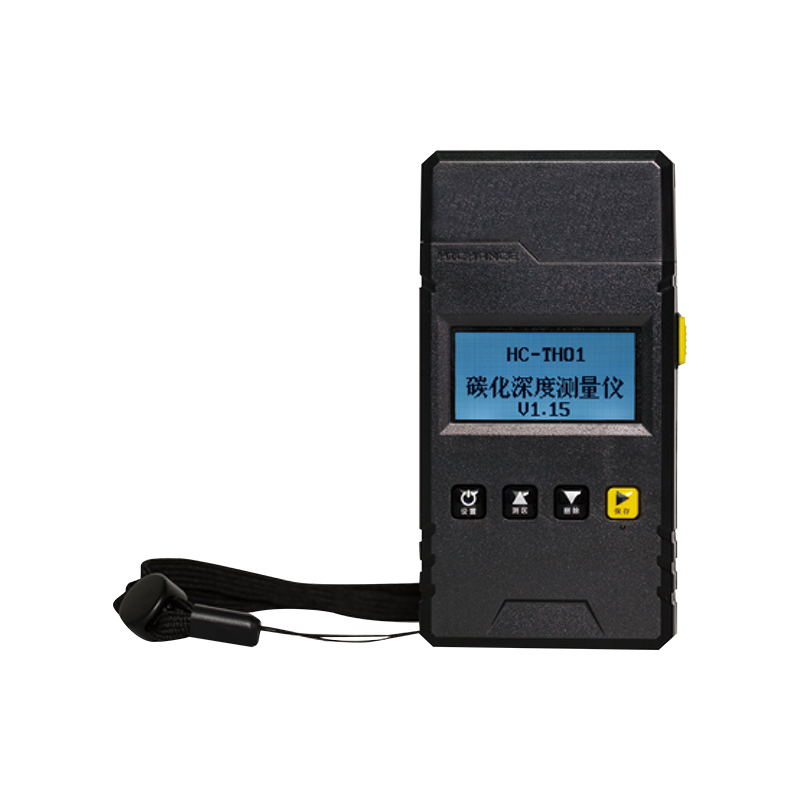 Carbonation Depth Meter for Concrete TestingThis non-destructive meter measures carbonation depth in concrete, helping assess durability and reinforcement corrosion risk. It complements permeability tests in structural evaluation.View Product →
Special Considerations: Gas Permeability and Non-Darcy Flow
Not every permeability measurement involves liquid. Gas permeability is widely used in reservoir engineering and porous material characterization because it is quick and avoids some saturation problems. However, gas molecules slip along pore walls at low pressure, which makes the measured permeability higher than the true liquid permeability. This is known as the Klinkenberg effect, and it is corrected by measuring gas permeability at several pressures and extrapolating to infinite mean pressure.
At high flow rates, Darcy's law also loses accuracy. Inertial effects become significant, and the pressure loss is no longer linear with flow. The Forchheimer equation accounts for this by adding a non-Darcy term. Overburden pressure matters too; as confining stress increases, cracks and pores close slightly, and permeability can drop noticeably.
Choosing the Right Approach and Equipment
There is no universal permeability test. The best choice depends on the material, the required level of accuracy, whether the sample is intact or in place, and the budget for the investigation. A laboratory constant head test may be perfect for a granular soil, while a packer test is better for a fractured rock mass. For concrete, the specification will usually point to a water penetration or absorption method.
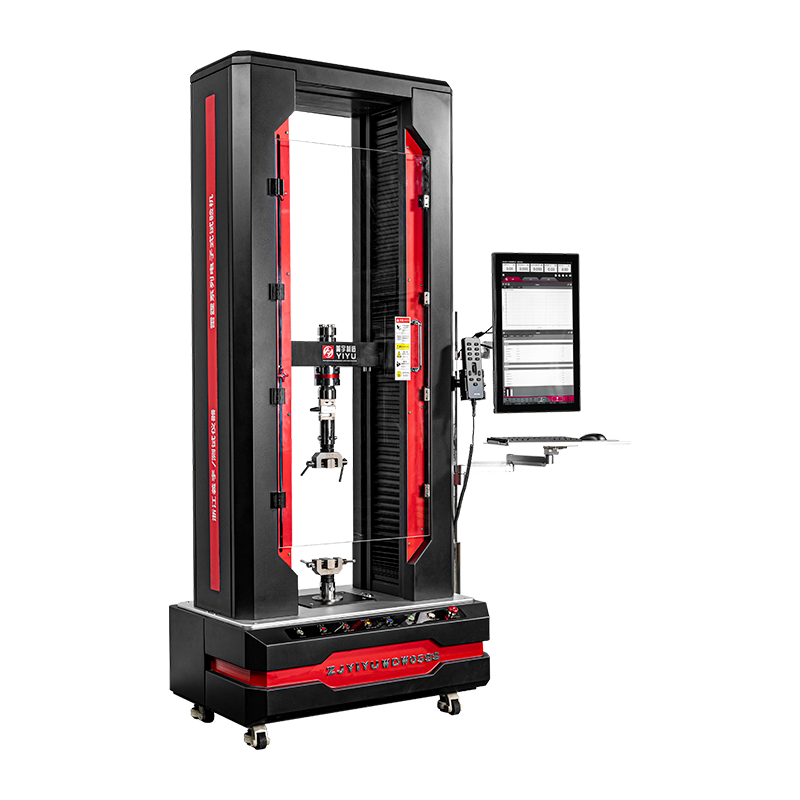
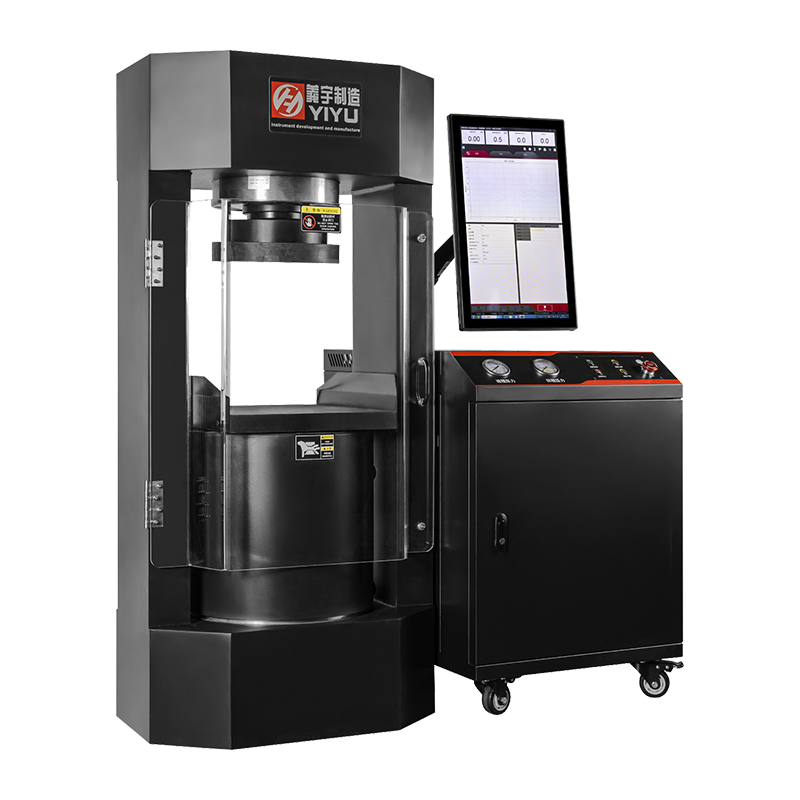
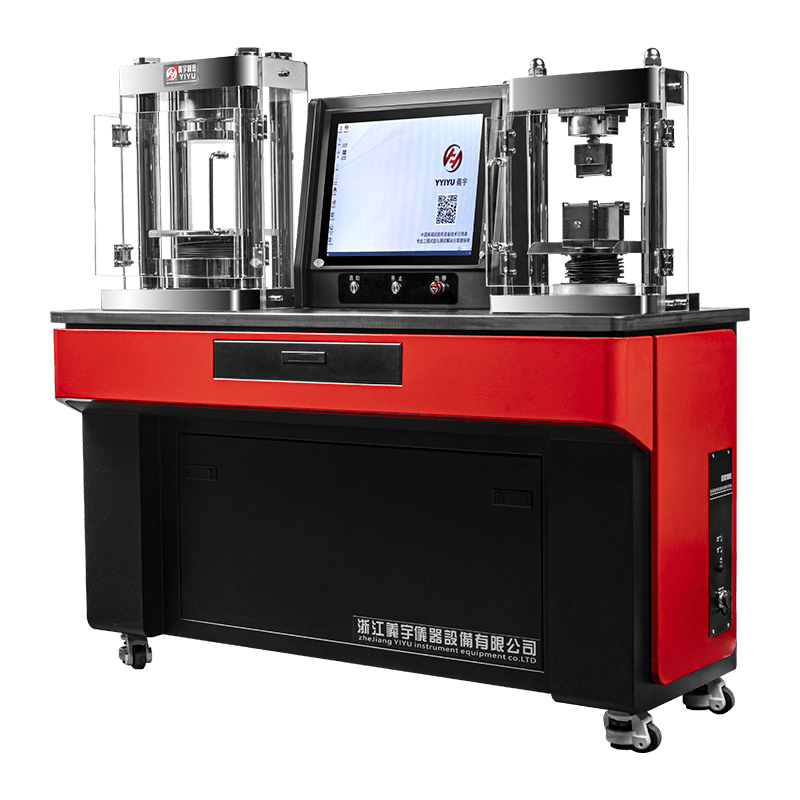
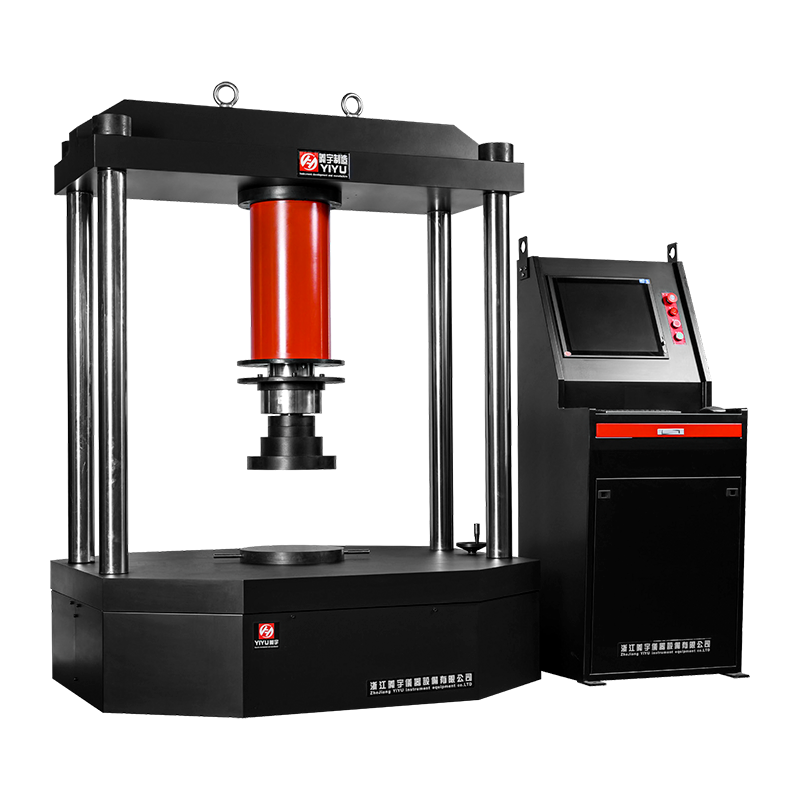
Good equipment matters as much as good procedure. In our experience, the best results come from combining the right test method with properly maintained instruments, and that is the philosophy behind our approach to testing equipment. Reliable pressure control, accurate flow measurement, and repeatable sample mounting all reduce experimental scatter. For construction materials, the same quality mindset carries over to companion tests such as strength and deformation. If you are working through concrete quality requirements, our overview of concrete testing regulations may help.
A Final Word on Permeability Measurement
Measuring permeability is most effective when you match the test to the material and the real-world condition. A laboratory test gives you control, a field test gives you scale, and a careful combination of both usually gives the most dependable answer. For anyone involved in construction materials, geotechnical work, or infrastructure assessment, understanding how permeability is measured is the first step toward making good decisions with confidence.


 简体中文
 English
 русский