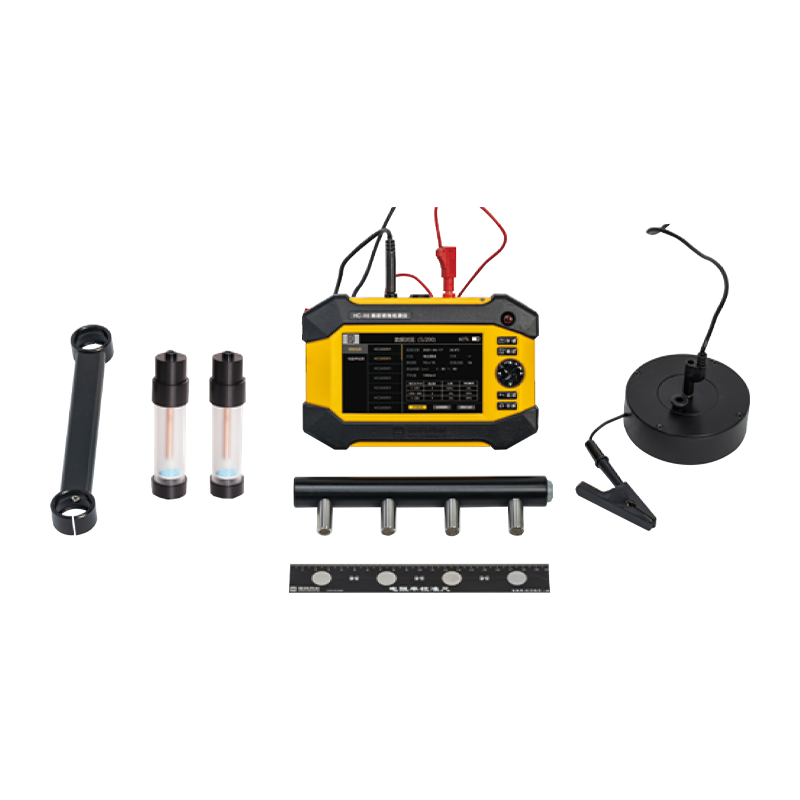
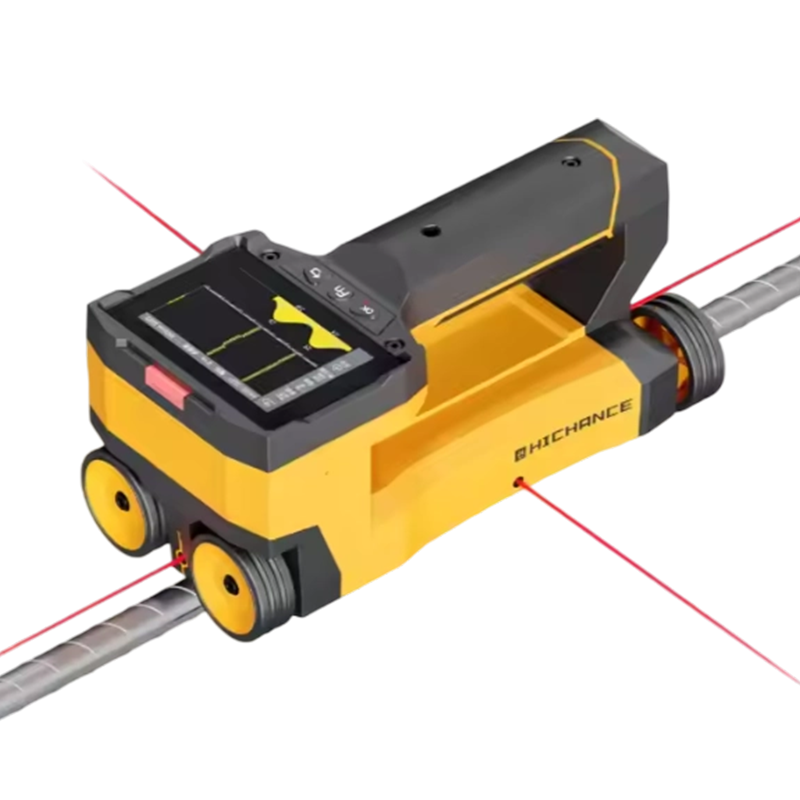
The HC-X6 Steel Corrosion Detector is a high-performance non-destructive testing (NDT) device developed and manufactured by Zhejiang Yiyu Instrument Equipment Co., Ltd. This instrument is specifically designed to detect the degree of corrosion of reinforcing steel in concrete structures. By comprehensively utilizing multiple advanced testing technologies, it provides a scientific basis for the safety assessment of building structures.
Core Functions and Design Highlights
Three-in-One Testing Technology: This device integrates three testing technologies: corrosion half-cell potential, potential gradient, and concrete resistivity, making its functions more comprehensive.
Innovative Electrode Design: Utilizing a transparent copper-copper sulfate electrode shell design, it greatly facilitates the operator's observation of the copper sulfate solution's state. During testing, no need to replace the copper sulfate solution, improving the convenience of on-site operations.
Intelligent Environmental Compensation: The equipment can record ambient temperature in real time and provide temperature compensation function, effectively eliminating the impact of ambient temperature fluctuations on test results and ensuring data accuracy.
Powerful Data Processing System: Equipped with professional PC data processing software, it possesses powerful analysis and processing capabilities, supporting one-click generation of detailed test reports.
Operating Environment Requirements
- Ambient Temperature: -10°C ~ 40°C (Avoid prolonged direct sunlight).
- Relative Humidity: ≤ 90%RH.
- Electromagnetic Interference: No strong alternating electromagnetic field environment.
Manufacturer Background
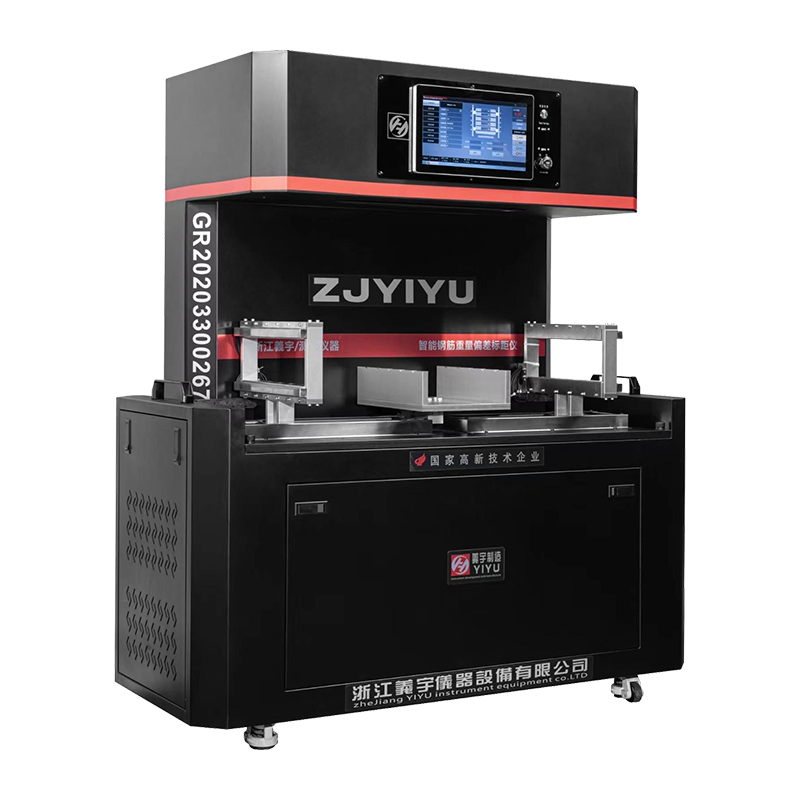
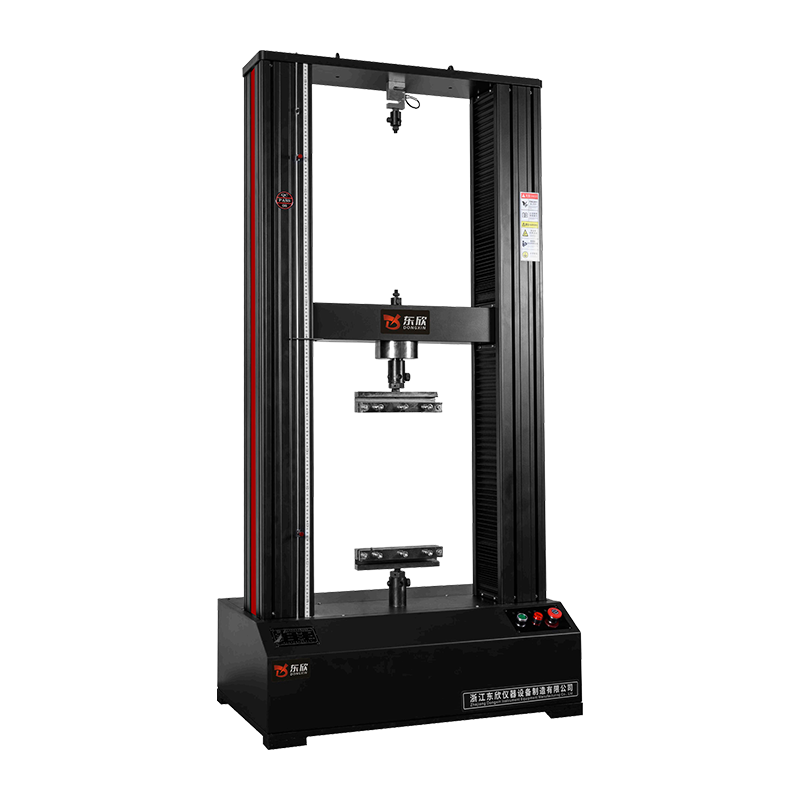
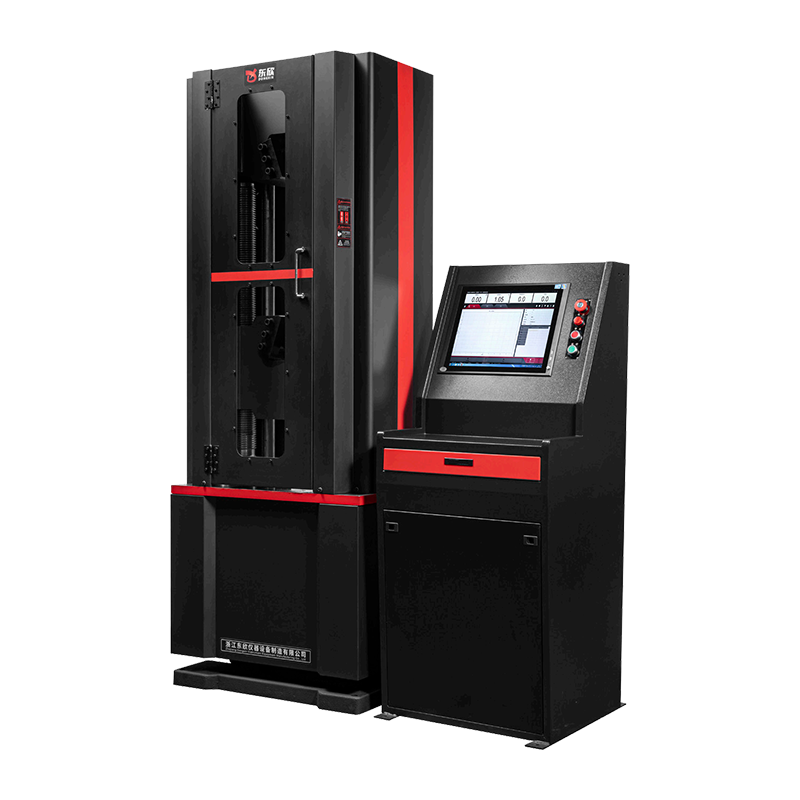
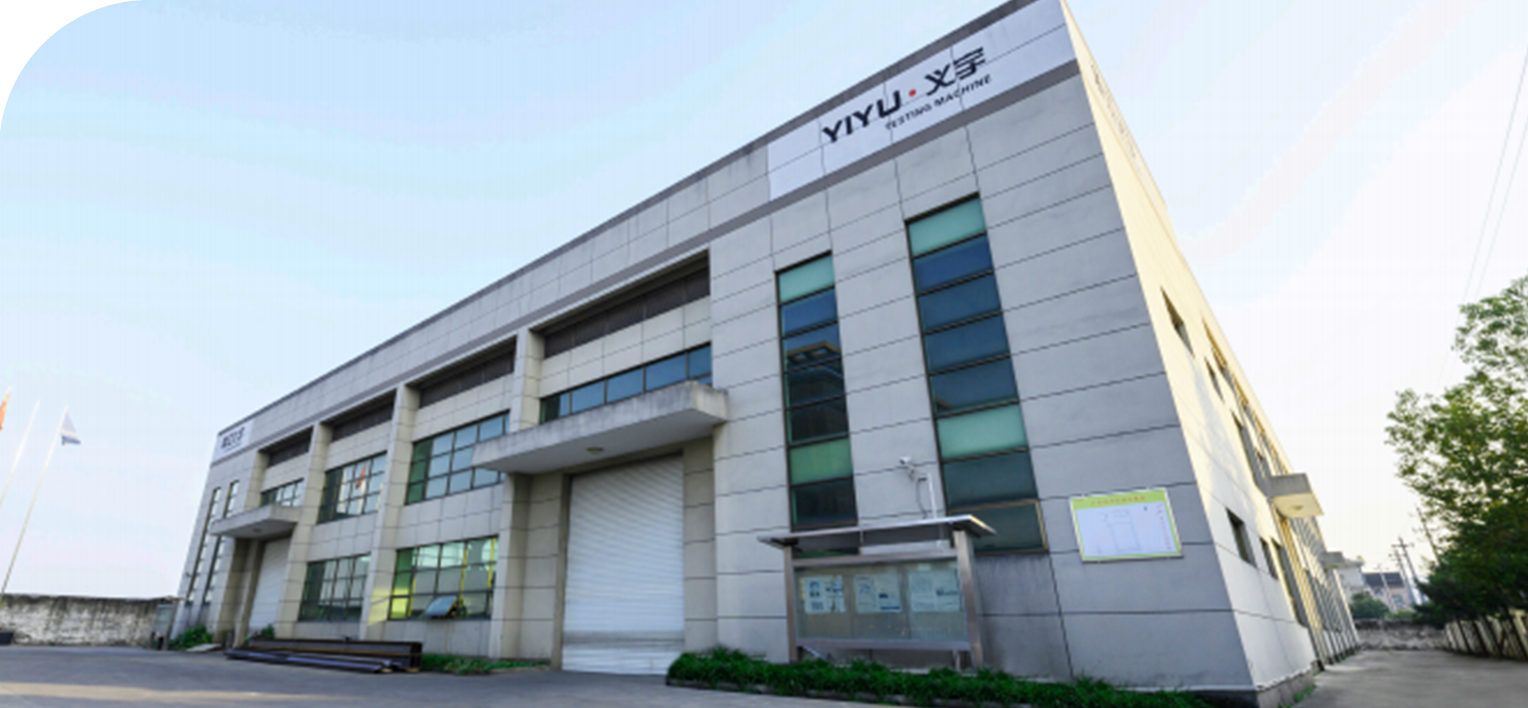
Zhejiang Yiyu Instrument Equipment Co., Ltd., located in Shaoxing City, Zhejiang Province, is a professional manufacturer of mechanical property testing equipment for metals, non-metals, and composite materials. The company has provided tens of thousands of testing instruments to thousands of research institutes and laboratories worldwide and has established a comprehensive professional pre-sales and after-sales service system.
Frequently Asked Questions (FAQ)
Q1: What are the technological advantages of the HC-X6 compared to traditional corrosion detectors?
A: The HC-X6 integrates three core detection technologies: corrosion half-cell potential method, potential gradient method, and concrete resistivity method. This "three-in-one" design makes it more comprehensive, capable of assessing the corrosion status of reinforcing bars from multiple dimensions and providing more accurate judgment.
Q2: What is special about the electrode design? Does it require frequent maintenance during testing?
A: The device uses an innovative transparent copper-copper sulfate electrode shell design, allowing the operator to intuitively observe the state of the internal copper sulfate solution. Furthermore, its optimized design ensures that no replacement of the copper sulfate solution is required during testing, greatly simplifying on-site testing preparation and maintenance.
Q3: Will changes in ambient temperature affect the accuracy of the test data?
A: No. The HC-X6 has the function of real-time recording of ambient temperature and a built-in temperature compensation system. This effectively eliminates measurement deviations caused by ambient temperature fluctuations, ensuring the consistency and reliability of test results under different temperature conditions.
Q4: How long is the battery life of this device? How long can it support field operations?
A: The device is equipped with a high-capacity 7.4V 25.16Wh lithium battery. Its low-power design allows for continuous operation for over 48 hours, sufficient for high-intensity, long-term field inspection tasks.
Q5: How is the test data stored and processed? Is it easy to generate reports?
A: The instrument can store test data for up to 2000 components. In addition, it comes with professional PC-based data processing software, possessing powerful analytical capabilities and supporting users in generating detailed and standardized test reports with a single click.
Q6: What is the accuracy level during the measurement process?
A: In corrosion detection mode, its measurement resolution reaches ±0.1 mV; in resistivity detection mode, the measurement accuracy reaches ±0.1 kΩ·cm. This ensures that even minute electrochemical changes in the material can be accurately detected by the instrument.
Q7: Are there any special environmental requirements for using this equipment?
A: The equipment is recommended to be used in an ambient temperature range of -10°C to 40°C and should be protected from prolonged direct sunlight. The relative humidity of the working environment should be controlled at ≤ 90%RH, and there should be no strong alternating electromagnetic field interference in the field to prevent signal distortion.


 简体中文
简体中文
 English
 русский