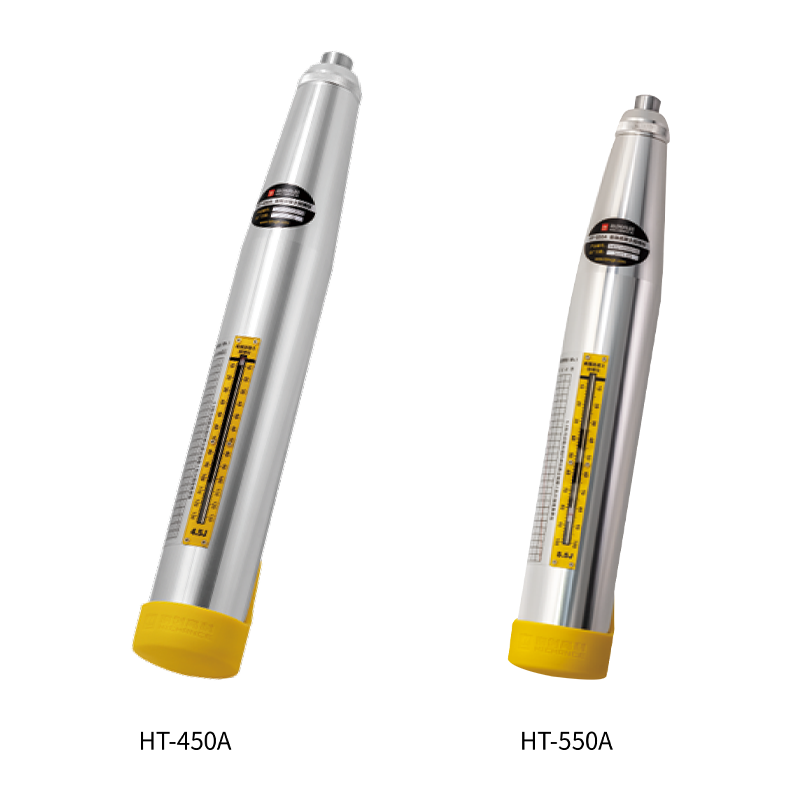
The HT-450A/550A series is a professional high-energy mechanical rebound hammer developed and manufactured by Zhejiang Yiyu Instrument Equipment Co., Ltd. This series is specifically designed for testing the compressive strength of high-strength concrete and is generally suitable for building components with strength grades between C50 and C100. Its robust aluminum alloy casing and precision internal mechanism make it an ideal tool for on-site testing of heavy engineering projects such as bridges and high-rise buildings.
Core Design and Technical Highlights
High-Performance Spring System: Utilizes imported high-toughness alloy steel springs, possessing excellent alkalinity and strong fatigue resistance, ensuring long-term stability.
High-Precision Manufacturing Process: The movement is precision-machined using a CNC precision machining center, guaranteeing accurate and stable rebound values.
Superior Durability and Feel:
- The outer shell is made of high-strength hard aluminum, which is not only lightweight but also possesses excellent pressure and drop resistance.
- Equipped with a custom-designed protective hand rest, making high-intensity rebound operation more comfortable.
Precision Detail Optimization:
- Smooth Pointer Shaft: Uniform friction ensures high measurement stability.
- Precision-Grounded Zero Adjustment Screw: Combined with a high-strength hook, it makes rebound activation smoother, effectively reducing "missing" phenomena.
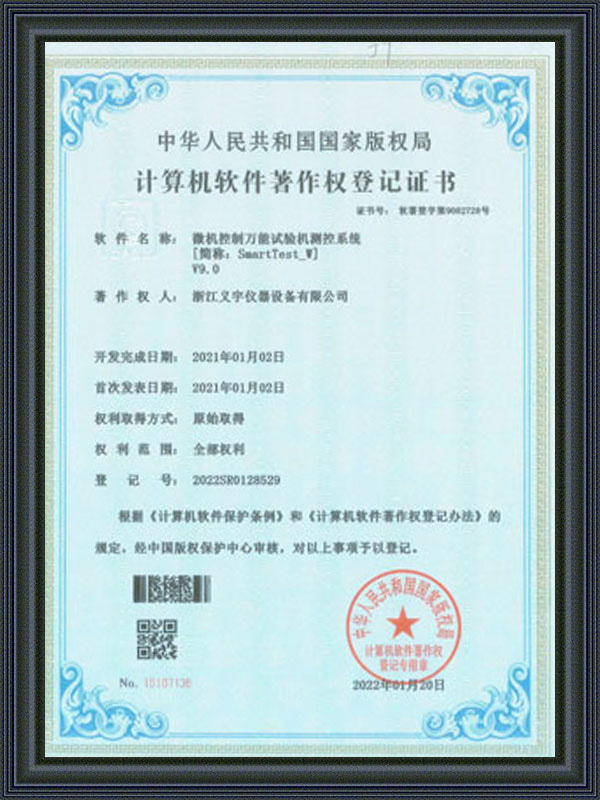
Data Analysis Support: Equipped with professional data processing software, supporting raw record input, greatly facilitating the generation of test reports.
Main Application Areas
This instrument is widely used for testing high-strength concrete components in various structural engineering projects:
- High-Rise Building Components: Columns, beams, core tubes, etc.
- Bridge Engineering: Piers, box girders, cable trays, and various precast slabs.
Frequently Asked Questions (FAQ)
Q1: What is the difference between this rebound hammer and a regular rebound hammer (such as the HT-225A)?
A: The core difference lies in the nominal kinetic energy. Regular rebound hammers typically have a kinetic energy of 2.207J, while this series boasts a kinetic energy of 4.5J or 5.5J. This allows it to penetrate higher-strength concrete surfaces, accurately reflecting the true internal strength of C50-C100 grade high-strength concrete.
Q2: How should I choose between the HT-450A and HT-550A?
A: The main difference lies in the kinetic energy and the design of the impact rod. The HT-450A (4.5J) is a standard high-strength rebound hammer; while the HT-550A (5.5J) has higher kinetic energy and a smaller impact rod radius (18mm), typically used in testing scenarios with higher energy requirements or specific specifications.
Q3: What are the advantages of a mechanical rebound hammer compared to a digital rebound hammer?
A: Mechanical rebound hammers have a simpler and more reliable structure, require no batteries, are easier to maintain in extreme weather or complex construction sites, and are generally more competitively priced.
Q4: How durable is it?
A: Very durable. It uses a high-strength hard aluminum shell and imported alloy springs, precision-machined by CNC. The mechanism can withstand high-frequency rebound impacts without easily being damaged.
Q5: How is the measurement data processed?
A: Although this model is a mechanical direct-reading type, the manufacturer provides professional data processing software. You can input the readings recorded on-site into the software, and the system will automatically complete data correction and strength estimation, generating a standardized test report with one click.




 简体中文
简体中文
 English
 русский