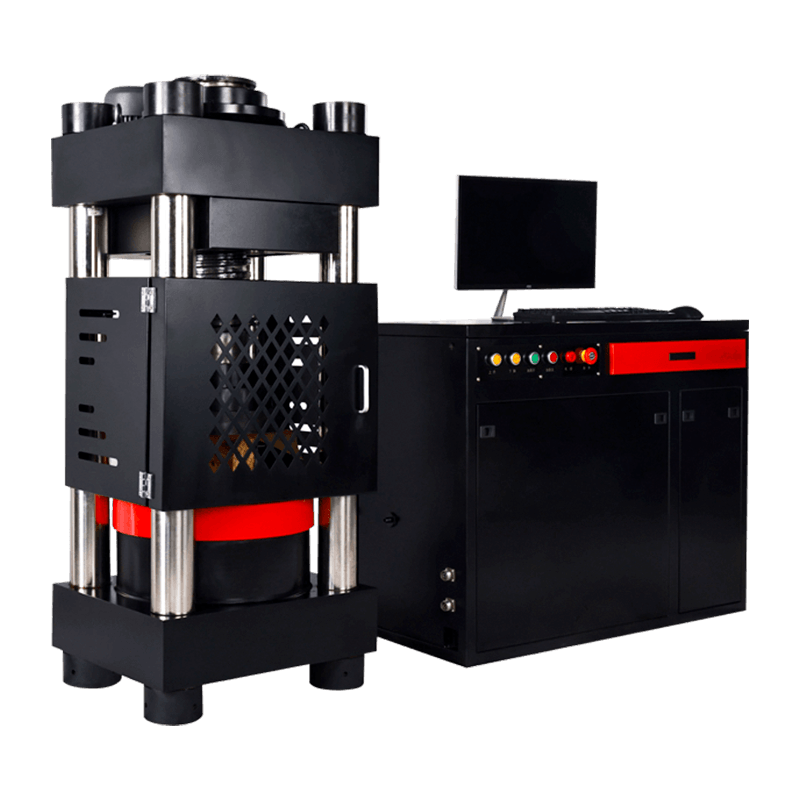
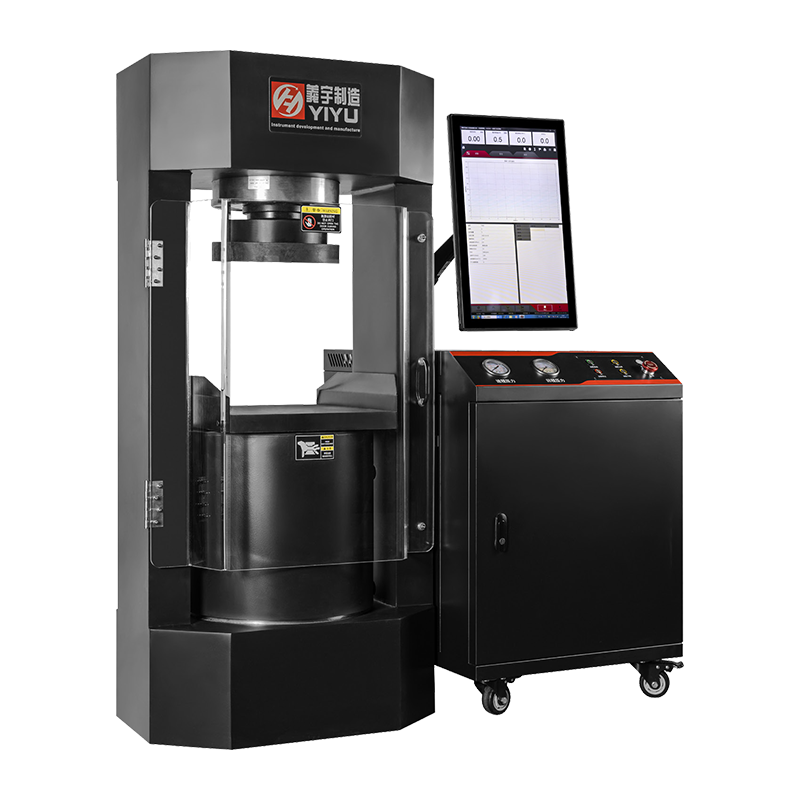
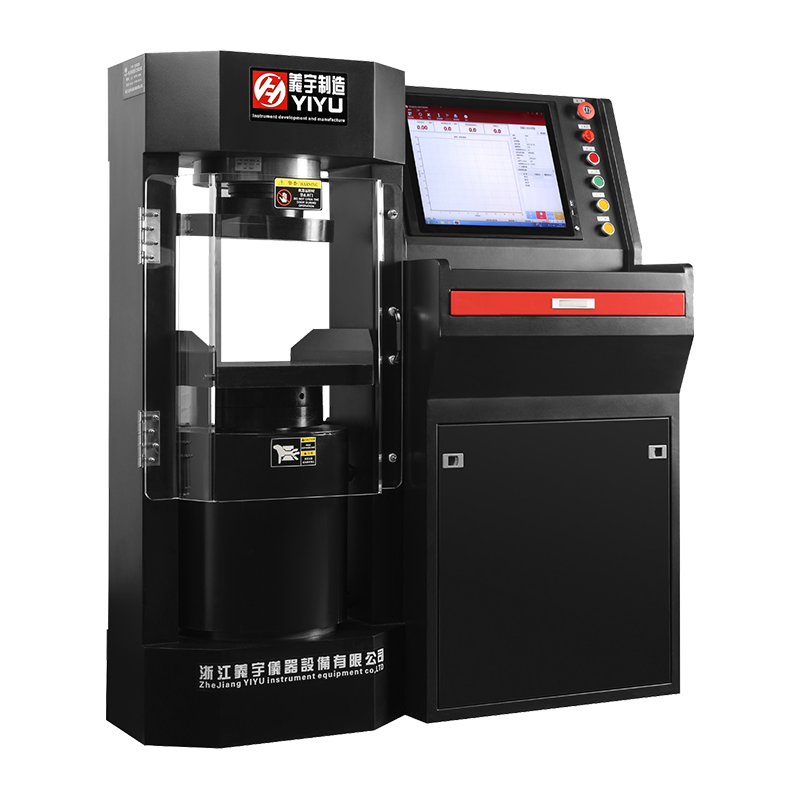
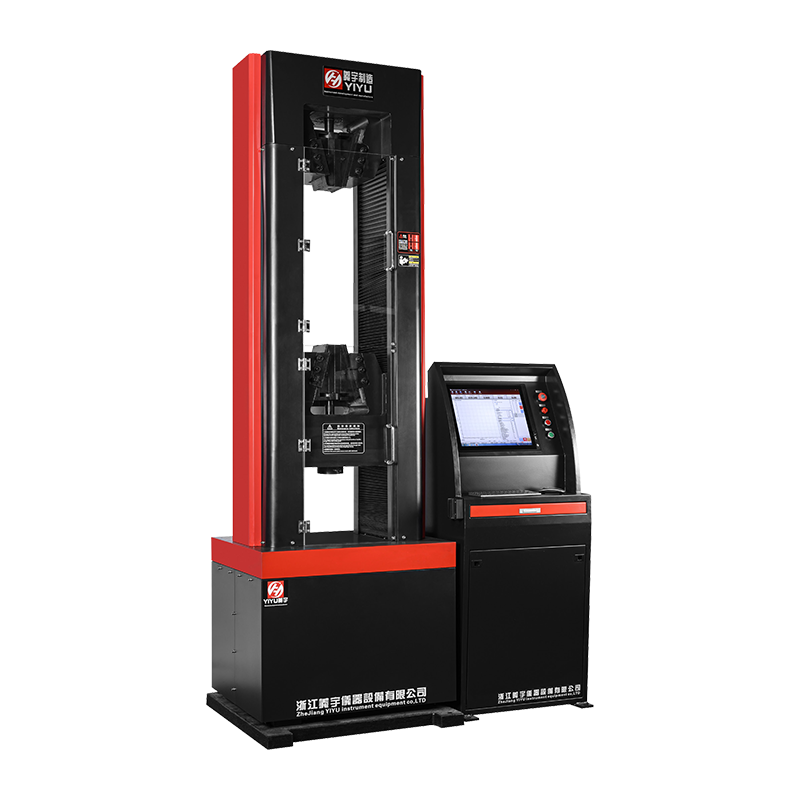
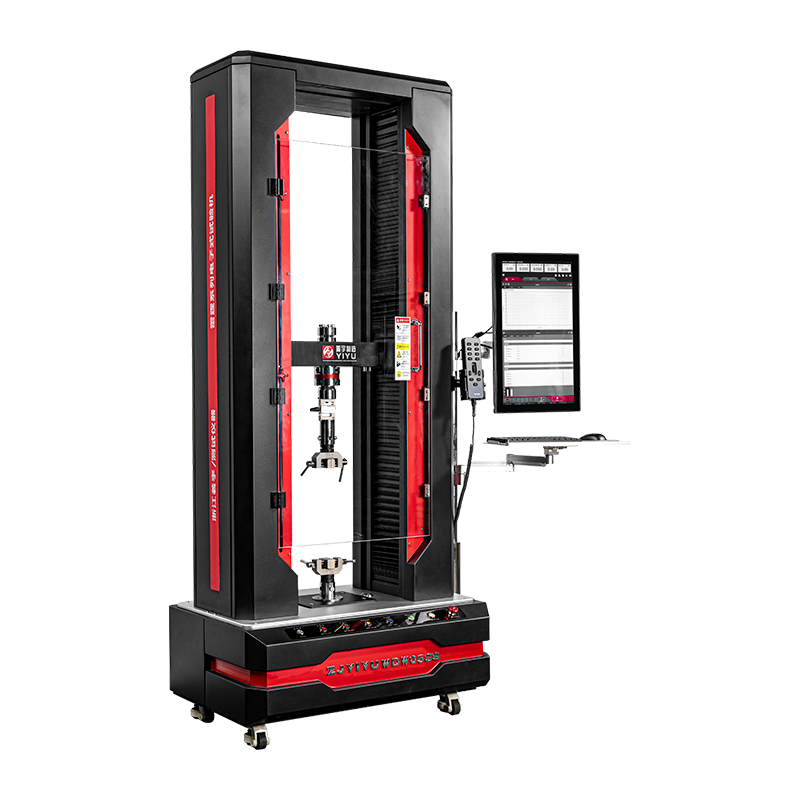
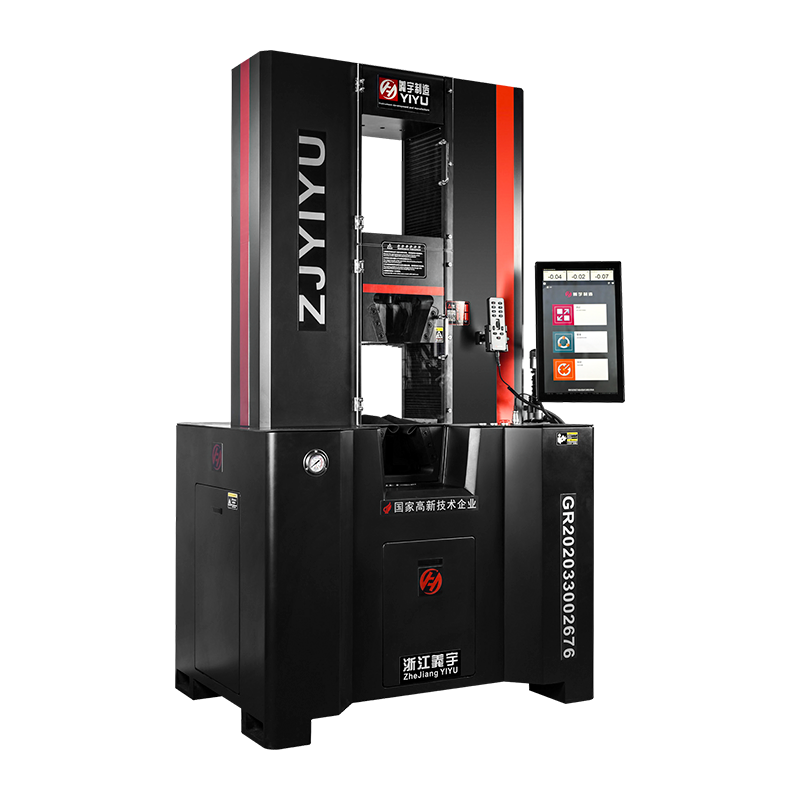
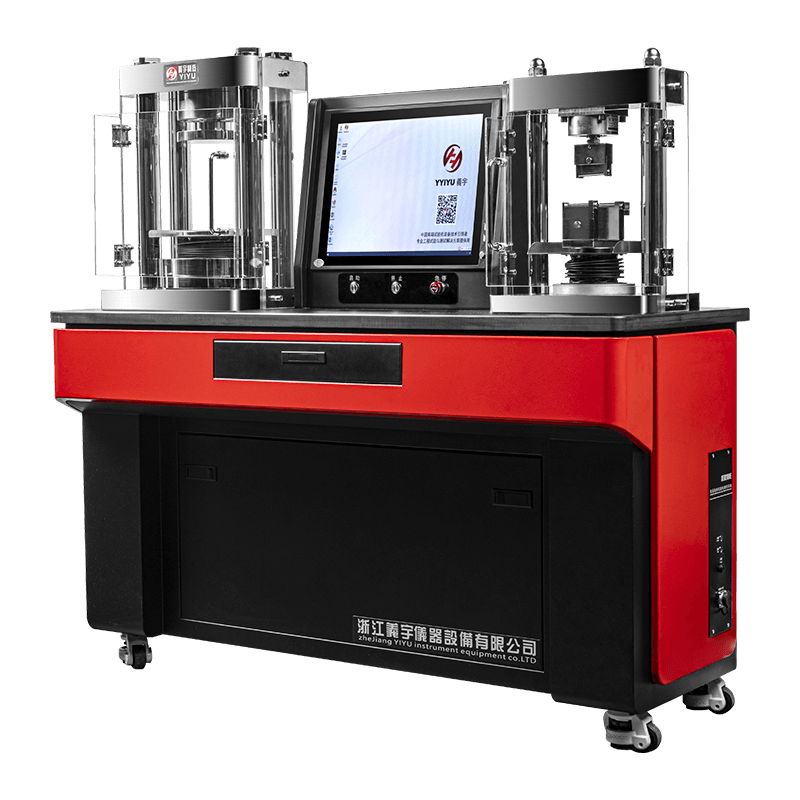
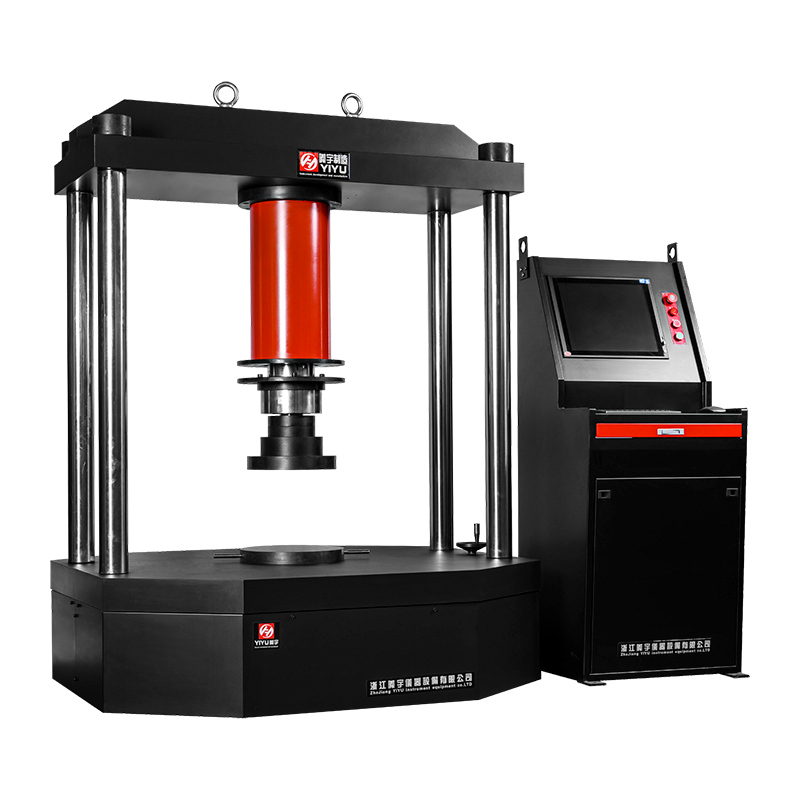
The YAW-3000/5000 series is a high-precision, high-efficiency testing instrument specifically designed to measure the compressive strength of materials such as cement, concrete, and rock. Utilizing advanced microcomputer control technology, this machine enables fully automated operation, thereby ensuring the accuracy and reliability of the testing process. Its robust structure features high-strength support columns and offers extensive customization options to meet specific experimental requirements.
Core Technical Advantages
- High Automation: The fully automated control system significantly reduces manual intervention, shortens testing cycles, and enhances overall experimental efficiency.
- Ease of Operation: Equipped with a user-friendly "SmartTest" interface, the system offers intuitive operation and simplified maintenance.
- Superior Data Management: Features built-in professional data processing software that supports the storage, historical retrieval, and statistical analysis of test data.
- Comprehensive Safety Protection:
- Equipped with explosion-proof safety doors that comply with EN safety standards.
- Includes overload protection and an emergency stop button to ensure the comprehensive safety of both the operator and the equipment.
- International Certification: Both the manufacturing and design processes are ISO and CE certified, ensuring compliance with global quality and safety standards.
Typical Applications and Functions
In addition to standard compressive strength testing, the device can perform the following tests by configuring appropriate fixtures and measuring accessories:
- Concrete Splitting Tensile Test
- Flexural (Bending) Test
- Static Modulus of Elasticity Test (Compression)
Frequently Asked Questions (FAQ)
Q1: What are the advantages of this "fully automatic" machine compared to standard manual or semi-automatic models?
A: The primary advantages are reduced labor costs and the elimination of human operational errors. The fully automated system executes the loading, holding, and unloading phases automatically, ensuring a completely consistent loading rate for every test specimen, thereby enhancing the scientific validity of the test reports.
Q2: Can this machine accommodate test specimens with non-standard or unique dimensions?
A: Yes. The main frame structure of this series supports extensive customization (e.g., increasing the crossbeam height), allowing it to accommodate the testing requirements of various uniquely sized specimens without the need for additional investment in single-purpose equipment.
Q3: What are the data processing capabilities of this equipment?
A: The equipment features powerful built-in software capabilities; it can not only plot real-time force-time and force-deformation curves but also directly generate test reports that comply with national standards, while supporting the remote retrieval and archiving of data.
Q4: Why does this equipment utilize a 380V power supply, rather than 220V like the D-series models?
A: The YAW-3000/5000 models are classified as ultra-high-tonnage testing machines (300 tons and 500 tons). They require a significantly higher power output (2.0 kW) to drive the hydraulic system and generate the immense testing forces required; therefore, they utilize a more stable 380V three-phase AC power supply.
|
Feature
|
High automation level; high-strength column structure (height-increase for light customization); applicable to compressive strength tests of cement, concrete, rock; compatible with concrete splitting/bending/static elastic modulus tests (with proper fixtures/measuring devices); explosion-proof safety door; ISO and CE certified.
|
|
Advantage
|
Reduces manual operation & improves test efficiency; stable testing performance with customizable column height; versatile for multiple concrete/cement/rock tests; ensures operational safety; meets global quality standards.
|
|
Benefit
|
Lowers labor costs and shortens test cycles; adapts to special testing needs without extra equipment investment; saves budget for purchasing single-function machines; protects operators from potential hazards; enables compliance with international testing requirements for wide market application.
|
|
Evidence
|
1. International certifications: ISO and CE certificates (proving compliance with global quality and safety norms);2. Safety verification: Explosion-proof safety door meets EN safety standards;3. Function proof: Test reports confirming compatibility with compressive/splitting/bending tests;4. Customization proof: Technical documents of height-adjustable column structure;5. Efficiency data: Comparative test records showing reduced operation time vs. manual machines.
|


 简体中文
简体中文
 English
 русский